Clearance CLR-6985 · AIR468
AIRGIA
Air CargoClearance sheet
Gia Binh Targets 1.6 Million Tons of Cargo by 2030
Gia Bhin's developer targets 1.6 million tons of annual cargo by 2030, anchored to a $150 billion electronics corridor and a 5,000-hectare free-trade zone awaiting approval.
Read-back
- Gia Binh's first phase is designed for 1.6 million metric tons of freight annually by 2030, rising to 2.5 million by 2050.
- The Bac Ninh-Bac Giang-Hai Phong corridor generated about $150 billion in electronics exports in 2025, per Masterise estimates.
- A proposed 5,000-hectare free-trade zone was amended by the provincial council in June; central-government approvals are still pending.
- Masterise has held talks with more than 30 airlines and about 40 express and logistics companies, plus two unnamed MOU partners.
- The airport seeks a regional transfer hub from a major global express or integrated logistics operator, which Vietnam currently lacks.
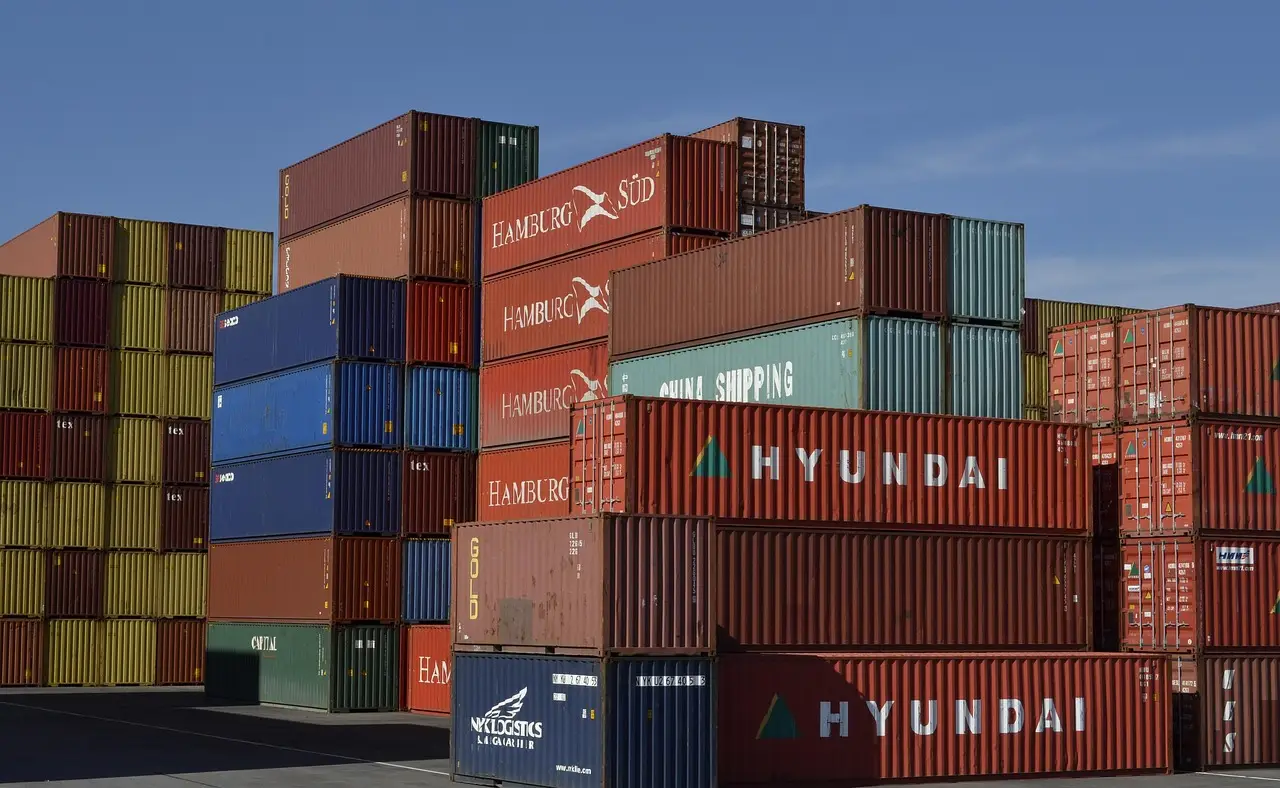
Gia Binh International Airport has set a first-phase cargo target of 1.6 million metric tons annually by 2030, with capacity designed to reach 2.5 million metric tons by 2050, according to official planning documents. The developer, Masterise Aviation Infrastructure, wants freight to anchor the project from day one rather than subsidize it later. That is an unusual ordering of priorities for a greenfield airport in a market that already has a crowded passenger field.
The strategy rests on geography. Gia Binh sits in the Bac Ninh-Bac Giang-Hai Phong corridor, one of Vietnam's largest centers for electronics, semiconductor components and high-value exports. Masterise estimates the corridor's industries generated roughly $150 billion in electronics exports during 2025. For scale, that figure exceeds the annual economic output of many mid-sized European economies, all of it flowing out of a region with one congested air gateway.
What does the developer claim?
"Air cargo is a pillar of [Gia Binh's] development model, not a supporting function," Denis Bugrov, Masterise Aviation Infrastructure's deputy CEO, told Routes. Bugrov framed the problem bluntly: "The current bottleneck is therefore infrastructure capacity, not market demand."
The claim has a factual basis. Manufacturers in northern Vietnam currently depend on Hanoi Noi Bai International Airport, road haulage to other domestic gateways or cross-border links into southern China. No second major air freight option exists in the corridor. Whether demand justifies a 1.6-million-ton terminal by 2030 is a separate question, and one the planning documents do not answer in published detail.
What is approved, and what is not?
Central government approval remains outstanding. The Bac Ninh provincial People's Council approved changes to the development plan in June, covering a proposed 5,000-hectare (12,355-acre) free-trade zone intended to combine manufacturing, logistics, commerce, services, innovation and digital industries. Further approvals from Hanoi are required before the project can proceed fully. Until then, the cargo volumes are design figures, not commitments.
The site plan includes:
- An automated cargo terminal
- Consolidation and distribution facilities
- An inland container depot
- Road and rail links with Hanoi, Hai Phong's seaport and northern border crossings
- A further 1,000 hectares of high-tech industrial development around the airport
Who has signed up?
No operator is named. Bugrov said the development team has held discussions with more than 30 airlines and about 40 express and logistics companies. Masterise has signed memoranda of understanding with an international cargo-terminal operator and an integrated logistics company; neither partner has been identified. MOUs are, as ever, cheaper than concrete.
The developer is seeking dedicated freighter operators, express logistics groups and passenger airlines able to provide bellyhold capacity. It also wants to attract a global express or integrated logistics operator to establish a regional transfer facility. Masterise notes that Vietnam has yet to secure a dedicated hub from one of the largest international logistics groups despite rapid growth in manufacturing and e-commerce. Gia Binh intends to fill that gap.
Can freight carry the early years?
The cargo and passenger strategies are designed to support each other. High-yield freight in the bellyholds of long-haul passenger aircraft could improve route economics, while dedicated freighters could provide frequencies and destinations that passenger demand alone would not justify. During Gia Binh's early years, local passenger traffic may not sustain an extensive intercontinental network on its own. Electronics and other high-value exports could underwrite widebody routes linking northern Vietnam with major production, distribution and consumer markets.
Bugrov set out the ambition in expansive terms. "The ultimate objective is to turn northern Vietnam's manufacturing advantage into a global connectivity advantage—shortening the journey from factory to international market, strengthening the region's logistics capability and positioning [Gia Binh] as an important link in Vietnam's and the region's aviation supply chain," he said.
Whether the airport becomes that link depends less on rhetoric than on the pace of central-government approval and on converting 70 sets of talks into signed operators.
via Google News: Air cargo (Source)
More from Grace Kim
Show full bio
News editor covering companies, deals and strategy in Commercial aviation industry coverage at Flightdeck Report.
536 articles
Same bay
- FDR192Dhaka's Third Terminal Needs a Cargo Village to Match · September 28, 2026
- FDR573Bangladesh Targets $300 Million Fast-Track Upgrade for Chattogram Airport · October 10, 2026
- FDR679EDB Joins $670M Bank of America Syndicate for Almaty Airport · October 10, 2026
- FDR965Asia Airport Expansion Push Forces Strategic Rethink Across Sector · October 3, 2026
- FDR995Central Asia Needs $33 Billion a Year in Infrastructure – and Its Air Cargo Capacity Doesn't Match · October 10, 2026