Clearance CLR-7899 · AIR374
AIRIRA
Airspace & RegulationClearance sheet
Iran Tightens Fleet Rules as 50 Applicants Seek Airline Licenses
Iran's Civil Aviation Organization is set to tighten fleet composition rules for domestic carriers as 50 new applicants pursue operating licenses, according to reporting by IranWire.
Read-back
- 50 new applicants are pursuing Iranian airline operating licenses
- Iran's Civil Aviation Organization is tightening fleet composition rules for domestic carriers
- US sanctions imposed since 1979 have constrained Iranian carrier access to Western-built aircraft and parts
- Iran's active scheduled-carrier base numbers approximately a dozen operators
- Existing Iranian-operated types include Boeing 747 Classics, MD-80 series, Airbus A300s, and Fokker 100s
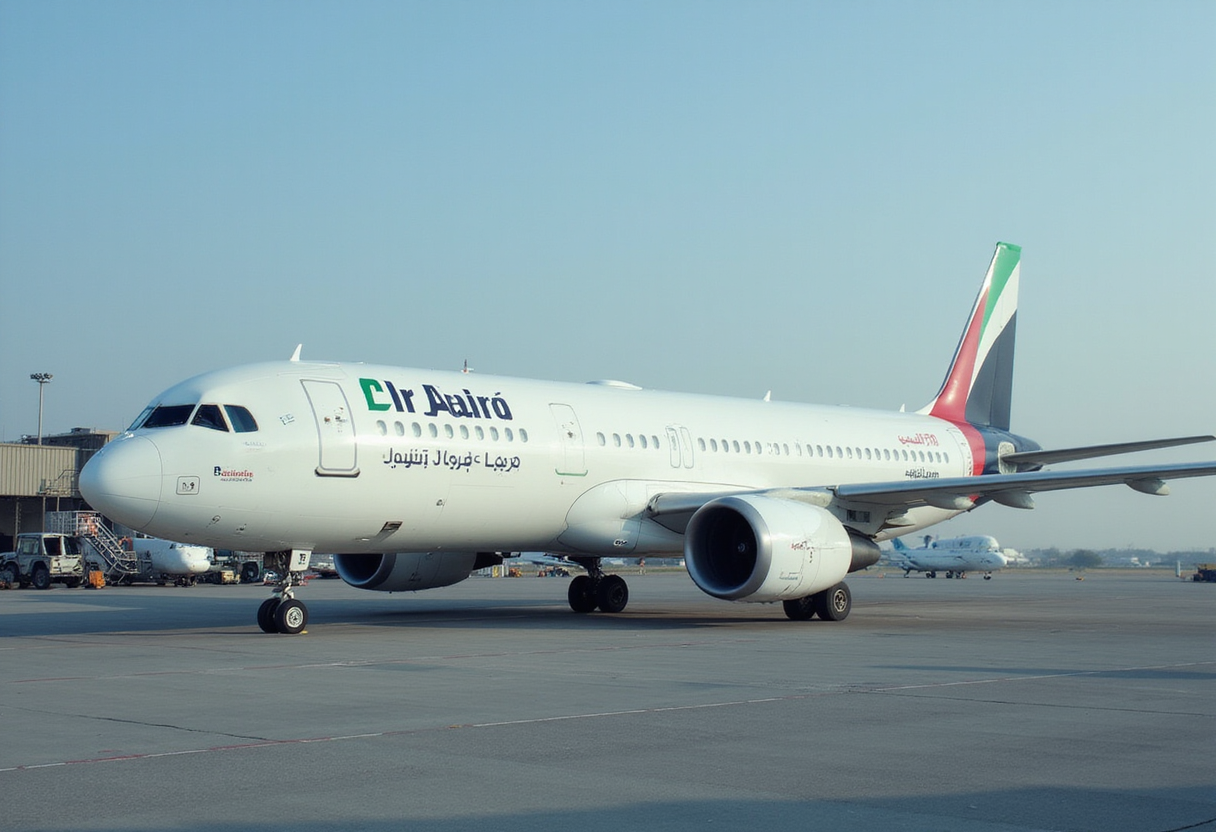
Iran's Civil Aviation Organization is preparing to tighten fleet composition rules for domestic carriers as 50 new applicants pursue operating licenses, according to a recent report by IranWire.
Why the rule change matters
The simultaneous announcement of new fleet requirements and processing of 50 license applications comes as Iran's commercial aviation sector continues to operate one of the oldest commercial fleets outside regions with active conflict. US sanctions, in force since 1979 and tightened through multiple executive orders, have blocked Iranian carriers from purchasing new Boeing and Airbus aircraft and most Western-built replacement parts.
Carriers have responded by extending the service life of aircraft originally delivered in the 1970s, 1980s, and 1990s. Boeing 747 Classics, McDonnell Douglas MD-80 series jets, Airbus A300s, and several Fokker 100s remain in service long after they were retired by major Western carriers. Maintenance relies on a combination of cannibalization, third-country parts channels, and technical cooperation with Russian and Chinese MRO providers.
IranWire's reporting did not specify whether the new framework applies only to incoming license applicants or extends to incumbent Air Operator Certificate holders.
What 50 applicants signals
Iran's active scheduled-carrier base numbers approximately a dozen operators, including Iran Air, Iran Aseman Airlines, Mahan Air, and several smaller charter and regional carriers. Fifty applications therefore represent a fourfold expansion in licensing interest, and likely include both prospective startup operators and existing investors seeking additional certificates.
The surge suggests either a partial opening of Iran's market to outside investors, accumulated pent-up demand for licenses delayed in prior rounds, or both. Iran's domestic air travel market has continued to grow even as international connectivity has shrunk, driven by limited competing transport options and the relative isolation of the country's tourism sector from Western visitors.
What the new standards could require
While IranWire did not publish specific technical thresholds, Iranian regulators have signaled a preference for newer aircraft on the registry. The new rules could mandate:
- Maximum aircraft age thresholds for license applicants
- Type-rating and training requirements aligned with ICAO standards
- Specific airworthiness-directives compliance timelines
- Restrictions on aircraft acquired through third-country registrations
How those standards apply to aircraft already on Iranian registers remains unclear, as does the status of types from COMAC and United Aircraft Corporation, whose Western-derivative components raise questions about long-term parts availability.
What remains unclear
IranWire's reporting leaves several key questions unanswered:
- The effective date of the new fleet rules
- Whether grandfathering provisions cover existing operators
- Whether ICAO has been formally consulted on the framework
- Whether leased aircraft from lessors in third countries remain eligible
- The disposition of operators whose existing fleets fail to meet new thresholds
The 50 pending applications will likely sit in regulatory limbo until those details are resolved. Airlines already in operation but reliant on older aircraft face the most immediate pressure, since non-compliance under a tightened regime could trigger AOC suspensions or fleet-grounding orders.
What comes next
If enforced strictly, the new rules will accelerate the bifurcation of Iran's fleet between aircraft that can be renewed through Chinese and Russian supply chains and those that cannot. The COMAC C919, ARJ21, and Irkut MC-21 are the most likely near-term replacement types, though Western export-control rules continue to constrain engine and avionics supply for those programs.
The next several months will reveal whether Iran's regulator treats the 50 applications as a fleet-modernization opportunity or as a proceeding to clear the market of non-compliant operators.
via Google News: Aircraft orders and fleets (Source)
More from Priya Raman
Same bay
- FDR770Iran: US Aviation Sanctions Endanger Flight Safety · September 28, 2026
- FDR270Dubai Bars Iranian Aircraft and Tehran Retaliates With Airspace Ban · September 26, 2026
- FDR638Iran's air links to China, Russia, Turkey persist despite regional disruptions · October 10, 2026
- FDR376Tehran threatens regional airports as US sanctions hit Iranian airlines · October 9, 2026
- FDR320Baghdad and Muscat Close to Iranian Carriers as US Sanctions Bite · September 30, 2026