Safety & OperationsClearance sheet
JetBlue Canceled 32.6% of US Flights After FAA Ground Stop
Cirium schedule data shows JetBlue canceled 32.6% of US departures Nov 13-16 after the FAA ground stop, with American at 23.2% and Delta, United, Southwest and Alaska recovering faster.
Read-back
- JetBlue canceled 32.6% of US departures between November 13 and 16, the highest rate among major carriers.
- The FAA's nationwide ground stop ran from roughly 4 p.m. to 8:15 p.m. Eastern on November 13 and contributed to more than 19,000 cancellations over four days.
- American Airlines canceled 23.2%; Delta 17.7%, United 17%, Southwest 16.3% and Alaska 12.2%.
- JetBlue says 92% of its cancellations were announced at least four hours before departure.
- American's pilots union criticized the carrier's recovery; American declined to comment.
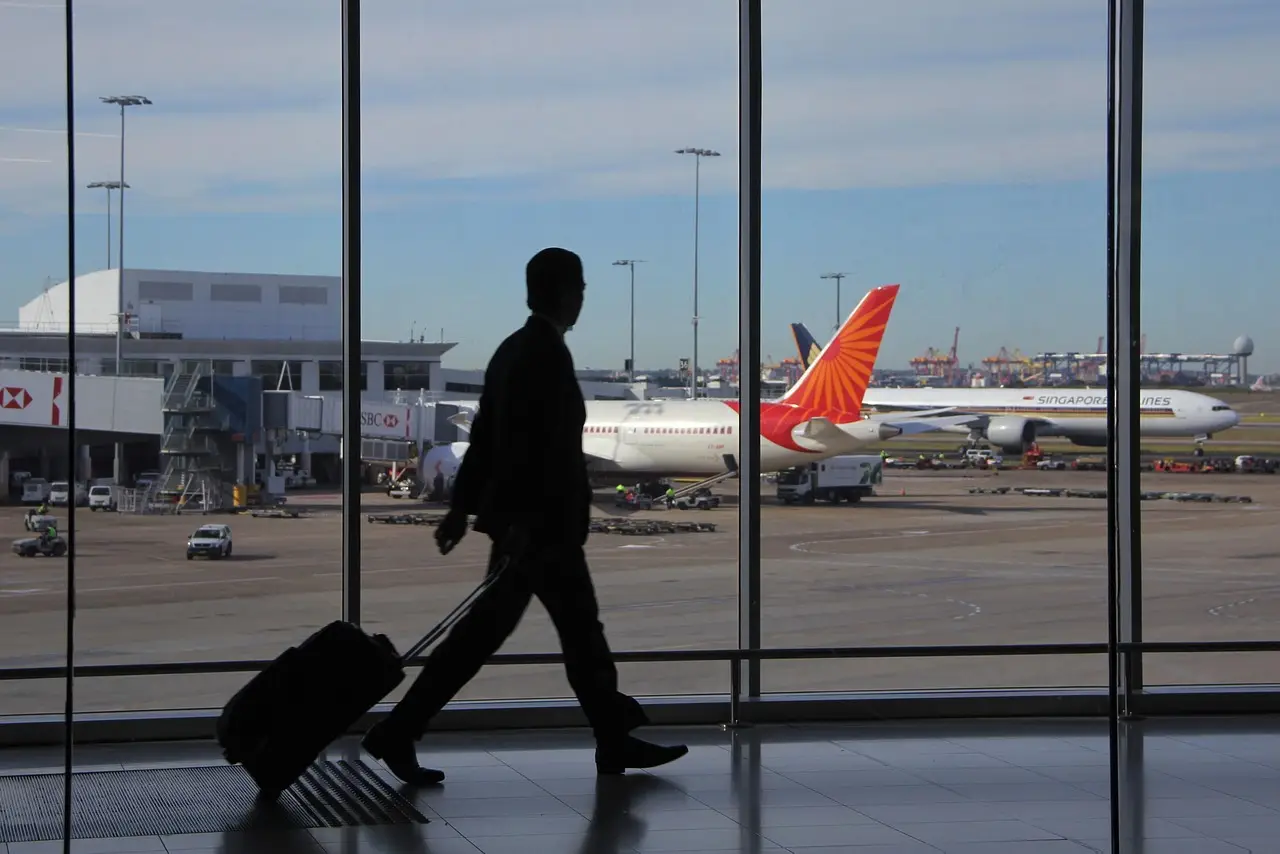
JetBlue canceled 32.6% of its scheduled US departures in the four days after the nationwide FAA ground stop on November 13, the highest cancellation rate among major US carriers, according to Cirium schedule data published November 20.
The four-day disruption produced more than 19,000 flight cancellations across the US industry. Recovery, however, varied sharply between airlines operating under the same federal restriction.
What does the data show?
Cirium figures, reported by Travel Weekly, cover November 13–16 and include flights operated under each carrier's brand by regional partners such as SkyWest.
- JetBlue: 32.6% of US departures canceled
- American Airlines: 23.2%
- Delta Air Lines: 17.7%
- United Airlines: 17%
- Southwest Airlines: 16.3%
- Alaska Airlines: 12.2%
The gap widened as the industry recovered. On Sunday, November 15, FlightAware data showed JetBlue still canceling 29% of its schedule and American canceling roughly 24% of mainline flights. No other carrier among the six largest canceled more than 5% of mainline schedules that day, although some regional operators fared worse.
Why did JetBlue cancel so many flights?
JetBlue attributed the rate partly to the concentration of its route network along the US East Coast. The ground stop began shortly before 4 p.m. Eastern on November 13 and ended at approximately 8:15 p.m.
The timing mattered. Many JetBlue crews had already consumed much of their permitted duty time (the regulated limit on crew working hours) when the stop took effect. The late-afternoon start also left little room to restart operations before the end of the flying day.
JetBlue spokesperson Derek Dombrowski told Travel Weekly the airline took a conservative approach to restoring flights because of uncertainty over the shutdown's duration and the recovery of congested East Coast airspace. Rather than repeatedly delaying flights that might ultimately be canceled, JetBlue canceled more departures in advance.
The carrier said 92% of its cancellations were communicated at least four hours before scheduled departure, which it said gave it the lowest proportion of last-minute cancellations among major US airlines. Early notification gives passengers more time to arrange alternatives, though it does not remove the disruption itself.
American Airlines draws union criticism
American's slower recovery prompted criticism from the Allied Pilots Association, the union representing its pilots. Union spokesperson Dennis Tajer told Travel Weekly that pilots and other work groups had grown increasingly frustrated by repeated operational problems.
The criticism follows earlier attacks on American's recovery from Winter Storm Fern in January 2026, when the airline struggled to restore schedules at major hubs after severe weather. American declined to comment for the November 20 report.
Analysts note several factors govern recovery speed: aircraft positioning, crew availability, scheduling systems and the geographic spread of flights. The Cirium data does not establish that outdated technology or any specific management decision caused the differences between JetBlue, American and their competitors.
What does this change for passengers and carriers?
The episode shows that a temporary, nationwide restriction can produce uneven, days-long consequences once aircraft and crews are stranded away from planned positions. Carriers must still comply with crew-duty limits, maintenance requirements and airport operating constraints while repositioning.
The comparison also demonstrates that recovery performance can diverge significantly between carriers even when the triggering disruption lies outside their direct control — a metric with cost, capacity and reputational consequences as airlines head into Thanksgiving, one of the busiest US travel periods.
Travelers should read the November 13–16 figures as historical. The report does not indicate JetBlue is currently canceling one-third of its flights; it illustrates how network design and disruption-management strategy shape recovery after a major aviation incident.
via rustourismnews.com (Source)
More from Priya Raman
Show full bio
Market editor covering money, funding and market shifts around Commercial aviation industry coverage at Flightdeck Report.
682 articles
Same bay
- American Airlines Restores Normal Schedule After FAA Ground Stop · November 16, 2026
- More Than 12,000 Flights Canceled as FAA Outage Probe Points to Aging Router · November 16, 2026
- 1,960 Sunday Cancellations as US Ground-Stop Disruption Enters Third Day · November 16, 2026
- United Outage Delays Nearly 600 Flights Days After FAA Ground Stop · November 17, 2026
- FAA lifts nationwide ground stop after 6,000-flight cancellation surge · November 14, 2026