Clearance CLR-9807 · AIR500
AIRLUF
AirportsClearance sheet
Lufthansa and Fraport Turn Frankfurt Gate A16 Into a Live Testbed
Lufthansa and Fraport have opened Gate A16 at Frankfurt Terminal 1 as a live testbed for mobile tablet-equipped staff, digital displays, QR self-service and lounge-style seating.
Read-back
- Lufthansa and Fraport launched the 'Gate of the Future' at Gate A16, Terminal 1, Frankfurt Airport
- Gate staff use tablets with a single interface to multiple boarding systems, working the waiting area instead of a fixed counter
- Large digital displays deliver real-time flight, boarding, carry-on baggage and gate-change information; QR codes open self-service options
- The redesign includes lounge-style seating, artwork and private work areas
- The gate serves as a testbed for possible rollout to other gates; no timeline has been announced
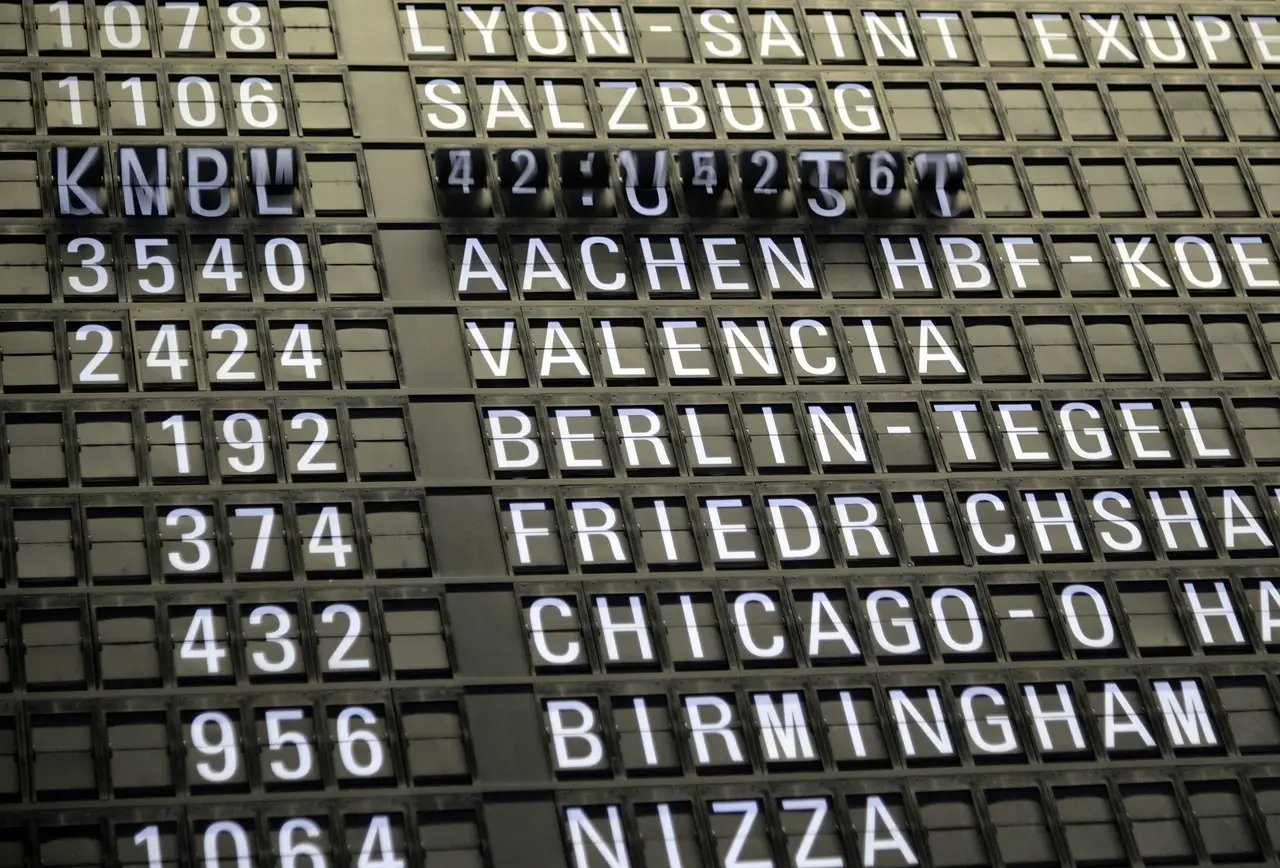
Lufthansa and airport operator Fraport have opened a single redesigned departure gate — Gate A16 in Terminal 1 at Frankfurt Airport — as a working test environment for new boarding technologies and passenger services. The two companies will use the gate to evaluate which elements could then be rolled out to other gates across the airport.
The initiative, called the "Gate of the Future", replaces the conventional gate setup with a package of digital and design changes. Large digital displays provide real-time flight information, boarding updates, carry-on baggage guidance and gate change notifications. QR codes scattered through the space give passengers access to digital self-service options, shifting routine transactions away from staffed counters.
The most operationally significant change concerns how gate personnel work. Instead of remaining behind a fixed counter, employees equipped with tablets move through the waiting area to help passengers directly. The tablets connect to multiple boarding systems through a single interface, and staff can handle seat reservations, upgrades, rebookings and other requests on the spot.
What does this change for the passenger? In practice, the passenger no longer needs to queue at a counter to resolve a rebooking or an upgrade — the agent comes to them, and the self-service QR routes simple queries to digital channels.
What is being tested?
The gate functions as a controlled experiment rather than a finished product. Lufthansa and Fraport are testing:
- Large real-time digital displays for flight information, boarding updates, carry-on baggage guidance and gate changes
- QR-code access to digital self-service options
- Mobile gate agents equipped with tablets that consolidate multiple boarding systems into one interface
- A redesigned physical space with lounge-style seating, artwork and private work areas
The seating and workspace elements target the waiting period itself. Lounge-style seating and private work areas are intended to make time at the gate more comfortable and, for business travellers, more productive. Artwork adds to a less transactional atmosphere than the standard rows of hard chairs around a counter.
Why a single gate?
Running the trial at one gate in Terminal 1 allows both companies to measure how each element performs under real traffic before committing capital to a wider rollout. An airport-wide deployment of digital displays, tablet-based staffing and redesigned interiors carries significant cost, so the test gate separates what works in daily operations from what merely looks promising in a concept render.
The mobile-staffing model also has capacity implications. If tablet-equipped agents can process rebookings and upgrades anywhere in the waiting area, gate throughput — the number of passengers a gate can board per hour — may improve without adding physical counters. That matters at Frankfurt, one of Europe's busiest hubs, where Lufthansa manages high-frequency connections and tight banks of departures.
The broader programme
Lufthansa and Fraport frame the project as part of a wider effort to streamline airport operations while raising passenger satisfaction. The gate trial gives both companies a live dataset: which displays passengers actually read, which self-service options they use, and whether mobile agents resolve requests faster than fixed counters.
No rollout date for additional gates has been announced. The partners will first evaluate results from Gate A16, and the pace of expansion across Frankfurt will depend on what the test shows about cost, passenger uptake and operational reliability.
via Aviation Pros (Source)
More from Sophie Lindqvist
Show full bio
Senior reporter covering people, launches and day-to-day practice in Commercial aviation industry coverage at Flightdeck Report.
621 articles
Same bay
- FDR752Remote Stands Go Digital: Ground Handlers Rethink Boarding · October 19, 2026
- FDR544Boise Airport Launches BOI Upgrade, Planning Up to 10 New Gates · September 27, 2026
- FDR211Fraport's €4 Billion Terminal 3 Handles 4.4 Million Passengers · November 11, 2026
- FDR658EASA Certifies Universal Avionics' Connected FMS for Business and Regional Fleets · November 5, 2026
- FDR550Jacksonville International Plans Gate, Dining and Amenity Expansion · October 10, 2026