Clearance CLR-6278 · SUS929
SUSNEE
SustainabilityClearance sheet
Neela Biotech Closes £2.1M Round for Waste-Based Aviation Fuel
UK startup Neela Biotech has raised £2.1M to convert waste into aviation fuel, entering the race to supply airlines under tightening EU and UK SAF mandates.
Read-back
- Neela Biotech raised £2.1 million to develop aviation fuel from waste, per Dealroom.
- EU rules require 2% SAF blending from 2025, rising to 70% by 2050.
- UK mandate targets 10% SAF in jet fuel supplied by 2030.
- New fuel pathways must pass ASTM D4054 certification before commercial use.
- The company has not disclosed investors, pathway or timeline.
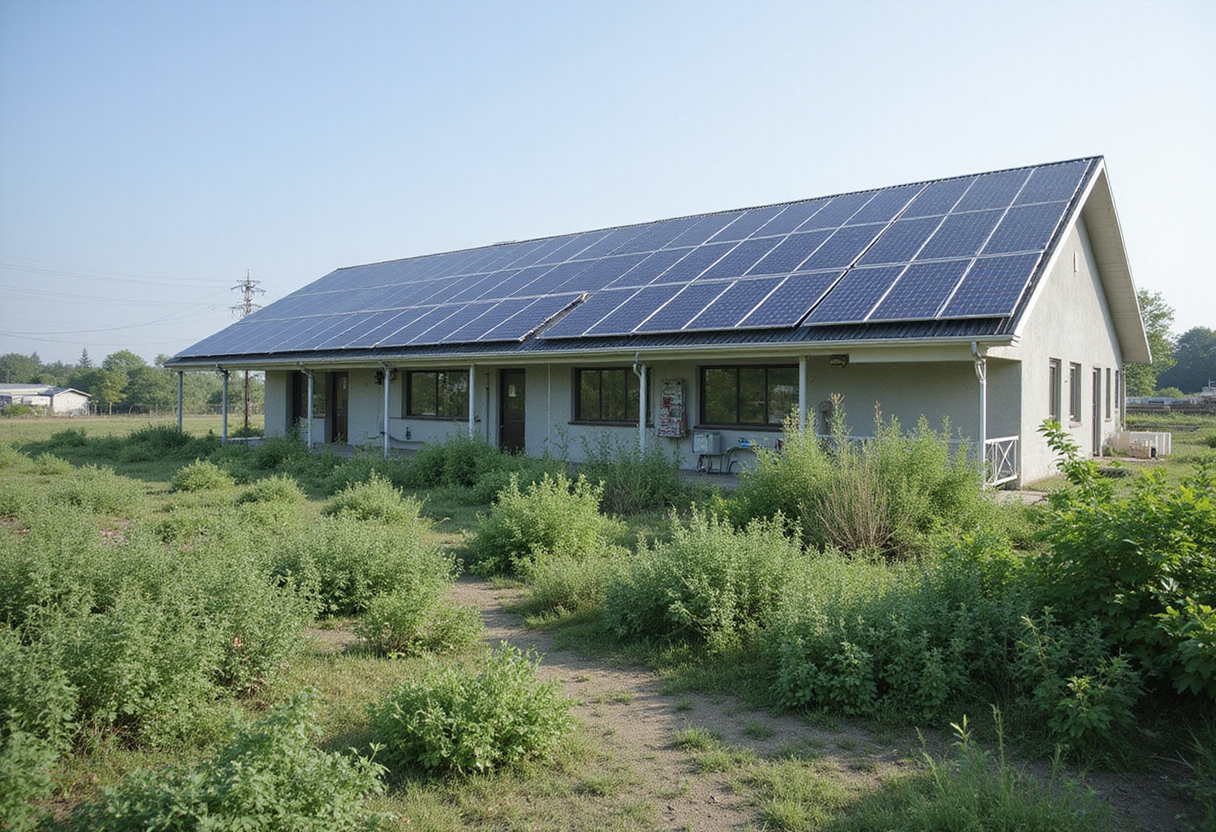
UK-based Neela Biotech has raised £2.1 million to develop aviation fuel from waste, according to Dealroom, a funding round that adds another early-stage entrant to the sustainable aviation fuel (SAF) supply race the airline industry is running against its own decarbonisation deadlines.
The figure is small against the capital intensity of fuel production at commercial scale — a single large-scale SAF plant runs to hundreds of millions of dollars — but seed-stage rounds of this size typically fund process development, pilot-scale demonstration and certification groundwork rather than output. Neela Biotech has not disclosed its investors, the round's structure or a construction timeline in the reporting carried by Dealroom.
What does £2.1 million buy in SAF?
For a biotech startup, this order of funding generally covers laboratory optimisation of a conversion pathway and the first steps toward a pilot unit. The company's stated approach — turning waste into aviation fuel — places it in the family of waste-to-fuel processes that includes alcohol-to-jet, gasification-with-Fischer-Tropsch and hydroprocessed esters and fatty acids routes, the dominant certified pathway today.
Which specific pathway Neela Biotech intends to pursue, and whether it has selected a feedstock, remains outside what the funding announcement conveys. Those choices matter commercially: feedstock availability and collection logistics, more than reactor chemistry, tend to determine the delivered cost per litre of waste-derived fuel.
Why the sector is attracting seed capital
Airlines face mandates and voluntary targets that outstrip available supply. The EU's ReFuelEU regulation requires a rising percentage of SAF blended into jet fuel departing European airports, starting at 2% in 2025 and stepping up to 70% by 2050. The UK has its own SAF mandate, set at 10% of jet fuel supplied by 2030. Neither target is backed by sufficient certified production capacity today, and that structural shortfall is what keeps investor money moving into conversion technology at every stage of maturity.
Every kilogram of SAF that fails to materialise is a kilogram airlines must cover through compliance spending, book-and-claim certificates or, in the worst case, penalties. Fuel is already the largest single operating cost for most carriers. That arithmetic is why a £2.1 million bet on a waste-conversion process has a plausible path to relevance — if the chemistry scales.
What separates a funded concept from certified fuel
The distance between a seed round and a gallon of fuel in an aircraft tank is long and expensive. Any new aviation fuel pathway must pass ASTM certification through the D4054 process, which typically takes years of testing across multiple laboratories before a fuel is approved for commercial blending. Only a handful of pathways hold that approval today.
The practical sequence for a company at Neela Biotech's stage runs:
- Laboratory validation of the conversion process
- Pilot-plant construction and continuous operation
- Fuel sample production for specification testing
- ASTM D4054 engagement and, eventually, certification
- Commercial-scale plant financing and offtake agreements
Steps three through five are where most capital is consumed, and where most ventures stall. The £2.1 million now on the company's balance sheet addresses only the earliest of these.
The scaling question investors will ask next
Waste-based fuel production carries a built-in tension: the feedstock is diffuse. Aggregating municipal, agricultural or industrial waste at the volumes a commercial plant requires — tens or hundreds of thousands of tonnes per year — demands collection infrastructure that often costs more than the conversion equipment itself. Startups that solve chemistry but not logistics have repeatedly found their unit economics collapsing between pilot and demonstration scale.
Neela Biotech has not yet published details of its target feedstock, its conversion efficiency or any projected production cost. Those numbers, once disclosed, will determine whether the company can raise the far larger series rounds that fuel plants demand.
What comes next
The immediate markers to watch are technical: disclosure of the conversion pathway, a named pilot facility or academic partner, and the first fuel samples submitted for testing. Each would move the company from concept toward the certification track that alone can put its product into airline tanks. Until then, £2.1 million buys Neela Biotech the chance to prove its process works — the cheaper question in a business where the expensive one, scale, still lies ahead.
via Google News: Sustainable aviation fuel (Source)
More from James Calloway
Show full bio
Staff writer covering industry trends and analytics at Flightdeck Report.
383 articles
Same bay
- FDR171Neela Biotech raises £2.1m to advance sustainable aviation fuel work · October 8, 2026
- FDR923Rowan University Team Wins NSF Grant to Convert Biomass into Jet Fuel · September 29, 2026
- FDR222Hydrogen Utopia Files for UK Grant Backing Waste-to-SAF Project · October 10, 2026
- FDR808SAF expansion ties agriculture, aviation and regional economic policy together · October 10, 2026
- FDR121Biomass-to-SAF Pathway Framed as Route to Canadian Aviation Fuel Targets · September 28, 2026