Clearance CLR-3625 · SAF772
SAFNIN
Safety & OperationsClearance sheet
Nine Dead as Learjet 60 Lost With Icing Report Over Florida
Nine died when a Learjet 60 crashed in Palm Beach County after its crew reported icing, turbulence and descent rates above 32,000 feet per minute. The NTSB is investigating.
Read-back
- Nine people died when Learjet 60 N722BD crashed in Palm Beach County, Florida, on November 1, 2026.
- The crew reported icing and turbulence, then declared an emergency with descent rates exceeding 32,000 feet per minute.
- Flightradar24's last received altitude was 8,750 feet at 12:49:22 local time.
- Dashcam still frames suggest the aircraft was missing its horizontal stabilizer before impact.
- The NTSB is leading the investigation, with a media briefing scheduled for November 2 in West Palm Beach.
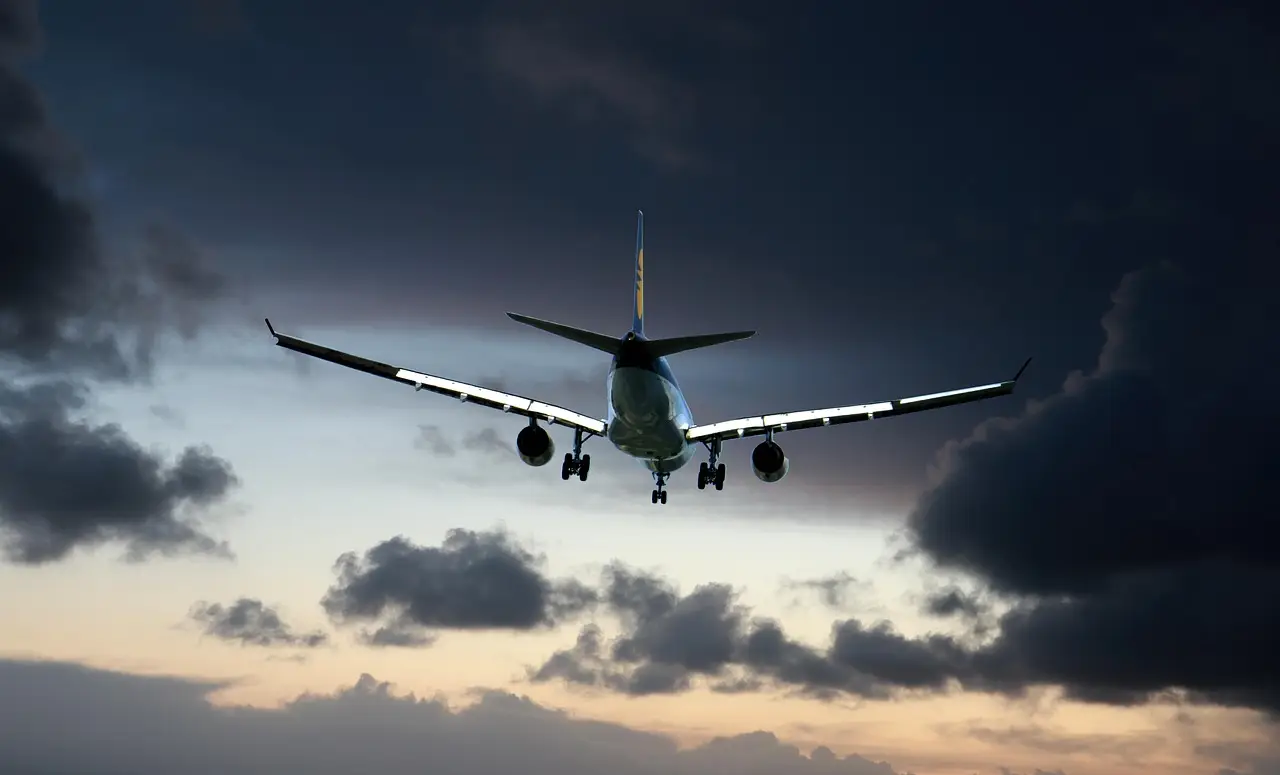
Nine people died when a Learjet 60 crashed in Palm Beach County, Florida, on November 1, 2026, minutes after its crew reported icing and moderate turbulence and declared an emergency during a rapid descent. US Transportation Secretary Sean Duffy confirmed that everyone aboard the aircraft died.
The jet, registered N722BD, was operating from Austin-Bergstrom International Airport (AUS) in Texas to North Eleuthera Airport (ELH) in the Bahamas. According to the FAA, it struck the ground near Cresthaven at approximately 12:50 local time, beside a busy road.
What do the final minutes show?
Air traffic control recordings captured by LiveATC document a fast-deteriorating situation. The crew first reported turbulence producing altitude deviations of as much as 700 feet. "We have light, clear ice that is manageable and moderate turbulence," the pilot told controllers.
The crew then reported precipitation and requested a climb to 37,000 feet, after having begun descending toward 35,000 feet near Naples, Florida. Flightradar24 tracking data shows the aircraft departing Austin at 09:37 local time and flying east toward the Bahamas.
The jet climbed briefly at approximately 12:48. It then entered a steep descending right turn. The pilot declared an emergency, reporting descent rates rising from 8,000 to 10,000 and then 20,000 feet per minute, together with an overspeed condition — the aircraft exceeding its maximum permitted speed. The final descent rate exceeded 32,000 feet per minute. The last altitude Flightradar24 received was 8,750 feet at 12:49:22.
Dashcam video shows the jet descending almost vertically beneath dark clouds before impact and a fireball. The crash left a large crater near homes and passing vehicles. Still frames from the footage suggest the aircraft was missing its horizontal stabilizer — the small wing-like surface at the tail that controls pitch. Any structural separation before impact will be a central question for investigators, though the frames alone cannot establish when or why the surface was lost.
Weather and ground impact
Rain and strong thunderstorms were affecting South Florida at the time. The National Weather Service said an upper-level low pressure system moving over the state was bringing moisture and widespread storms. A flood watch covered Palm Beach, Broward and Miami-Dade counties when the jet went down.
Florida Governor Ron DeSantis said there were no immediate reports of anyone on the ground being killed or injured. The Palm Beach County Sheriff's Office closed Military Trail between Cresthaven Boulevard and 10th Avenue North while emergency crews worked at the scene. Local officials arranged shelter and assistance for approximately 600 nearby residents affected by the crash.
Authorities had not released the occupants' names or confirmed the split between passengers and crew.
What happens next?
The NTSB is leading the investigation, with FAA assistance. The board dispatched investigators to arrive on Sunday and Monday and announced a media briefing in West Palm Beach for November 2. Their work will likely focus on the sequence linking airframe icing, severe turbulence, the overspeed condition and the apparent loss of the horizontal stabilizer — and on whether the crew's decision to climb into reported precipitation played a role in the breakup.
via AeroTime (Source)
More from Sophie Lindqvist
Show full bio
Senior reporter covering people, launches and day-to-day practice in Commercial aviation industry coverage at Flightdeck Report.
602 articles
Same bay
- FDR449NTSB: Amazon Cargo Crew Landed in Miami Without Wind Data · October 1, 2026
- FDR626Senate Aviation Panel Convenes June 23 After Fatal Crash Cluster · September 30, 2026
- FDR620Cockpit recorder shows Amazon Air crew called go-around seconds before fatal Miami overrun · September 30, 2026
- FDR223Flydubai Jet Survives 16,000-Foot Uncontrolled Descent · October 1, 2026
- FDR869Amazon suspends 21 Air after freighter overruns Miami runway · October 9, 2026