Clearance CLR-3806 · SUS509
SUSNRE
SustainabilityClearance sheet
NREL runs flight-condition SAF combustion simulations in Colorado
NREL is simulating sustainable aviation fuel combustion under flight-representative conditions in Colorado, adding altitude-validated test capacity to the U.S. pipeline that underwrites SAF qualification.
Read-back
- NREL is running SAF combustion simulations under flight-representative conditions at its Colorado facility.
- The work is published under the title 'On the Ground in Colorado, NREL Is Simulating Sustainable Aviation Fuel Combustion During Flight' on nlr.gov.
- Approved SAF pathways are qualified under ASTM D7566, with current blend limits capping most pathways at 50%.
- The available excerpt does not name the specific SAF pathways, engine platforms or industry partners in the current test campaign.
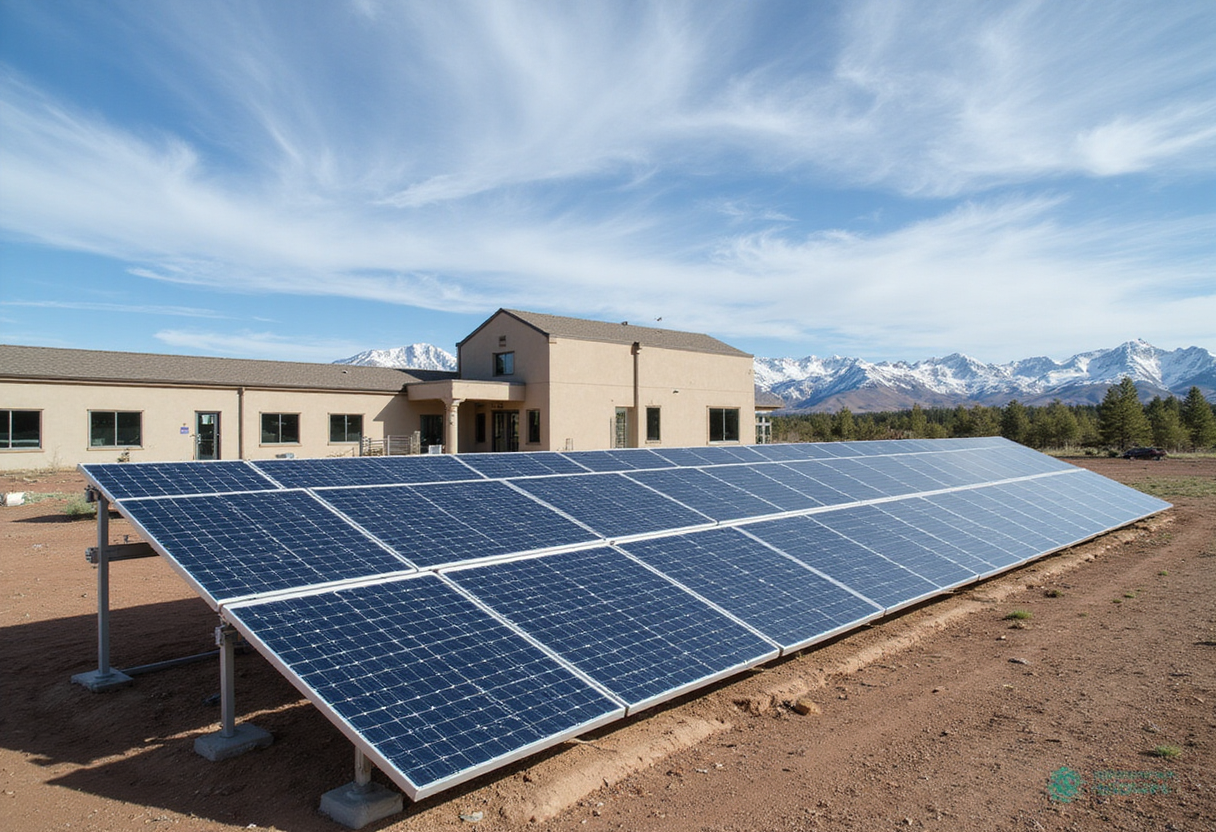
The U.S. Department of Energy's National Renewable Energy Laboratory is running combustion simulations of sustainable aviation fuel under flight-representative conditions at its Colorado facility, according to a published report on nlr.gov.
The work, filed under the headline "On the Ground in Colorado, NREL Is Simulating Sustainable Aviation Fuel Combustion During Flight," centers on ground-based test cells configured to replicate the pressure, temperature and airflow regimes that a turbofan encounters at cruise altitude rather than at sea level.
Why altitude matters for fuel testing
At cruise, combustion chamber conditions diverge sharply from bench-test conditions. Static pressure drops, inlet air temperatures fall, and fuel-air mixing behavior changes. Replicating those regimes on the ground lets researchers measure emissions, ignition stability and specific fuel consumption without the cost and certification risk of in-flight trials.
For SAF pathways that have yet to accumulate thousands of hours of engine service, the approach offers a shorter route to performance data. The results feed ASTM International's qualification process and, downstream, the engine OEMs' own certification submissions.
Where SAF qualification sits today
Approved SAF pathways today cover a narrow feedstock base — used cooking oil, animal fats, municipal waste, and a limited set of synthetic routes — under ASTM D7566. Each new pathway requires combustion, emissions and materials compatibility testing before an engine manufacturer accepts it for fleet use.
The current ASTM blend limit for most approved pathways sits at 50%. Airlines and OEMs are pushing to raise that ceiling, since the cap — not refinery output — is the binding constraint on near-term SAF uptake into existing narrowbody and widebody fleets.
NREL's flight-condition work targets one of the more stubborn gaps in that qualification chain: how approved and candidate SAF blends actually burn when an engine operates at altitude, not just on a sea-level test stand.
What is not yet in the record
The published report identifies the campaign as ongoing at NREL's Colorado site but, in the available excerpt, does not state:
- Which specific SAF pathways are under test
- Which engine platforms are being modeled
- Which OEMs or fuel producers are partnered in the program
NREL has historically collaborated with engine manufacturers and fuel developers, including work tied to DOE consortia and the U.S. Air Force's Assured Fuel program. Specific tie-ins to the current test campaign are not confirmed in the available material.
Regulatory and commercial stakes
The push to scale SAF sits inside a wider policy frame, including the U.S. Sustainable Skies Act and parallel incentives in the European Union and parts of Asia. Each pathway expansion requires the kind of altitude-validated data that ground-test cells can produce at scale.
If the Colorado campaign shortens the path from lab sample to ASTM-approved blend, the commercial consequence is more approved volume per year — the rate-limiting step on SAF uptake that airlines, lessors and fuel buyers currently cite in capacity planning.
Until the full report is reviewed, the headline takeaway remains narrower: a national-lab combustion facility in Colorado is now configured to evaluate SAF under simulated cruise conditions, adding capacity to the U.S. ground-test infrastructure that underwrites SAF qualification and, by extension, the fuel supply chain the industry is betting on for the next decade.
via Google News: Sustainable aviation fuel (Source)
More from Sophie Lindqvist
Show full bio
Senior reporter covering industry trends and analytics at Flightdeck Report.
392 articles
Same bay
- FDR238Report Identifies Non-Environmental Benefits of Sustainable Aviation Fuel · October 10, 2026
- FDR923Rowan University Team Wins NSF Grant to Convert Biomass into Jet Fuel · September 29, 2026
- FDR222Hydrogen Utopia Files for UK Grant Backing Waste-to-SAF Project · October 10, 2026
- FDR379Airbus publishes new study on sustainable aviation fuel potential · October 10, 2026
- FDR808SAF expansion ties agriculture, aviation and regional economic policy together · October 10, 2026