Airlines & NetworksClearance sheet
Ryanair Offers $3.6 Billion German Expansion for Air Traffic Tax Abolition
Ryanair's $3.6 billion German plan hinges on abolishing a tax yielding €2.1 billion annually, promising 12 bases, 250 routes and 34 million passengers by 2032.
Read-back
- Ryanair has offered $3.6 billion of German investment conditional on abolishing the Air Traffic Tax
- The plan would double German capacity to 34 million passengers across 12 bases, 250 new routes and 1,000 jobs by 2032
- The Air Traffic Tax generates about €2.1 billion annually for Germany's Federal Ministry of Finance
- Passengers pay €13.03 on short-haul flights, €33.01 medium-haul and €59.43 long-haul under current rates
- German traffic is at roughly 80% of pre-pandemic levels while European traffic surpassed 2019 volumes in 2025
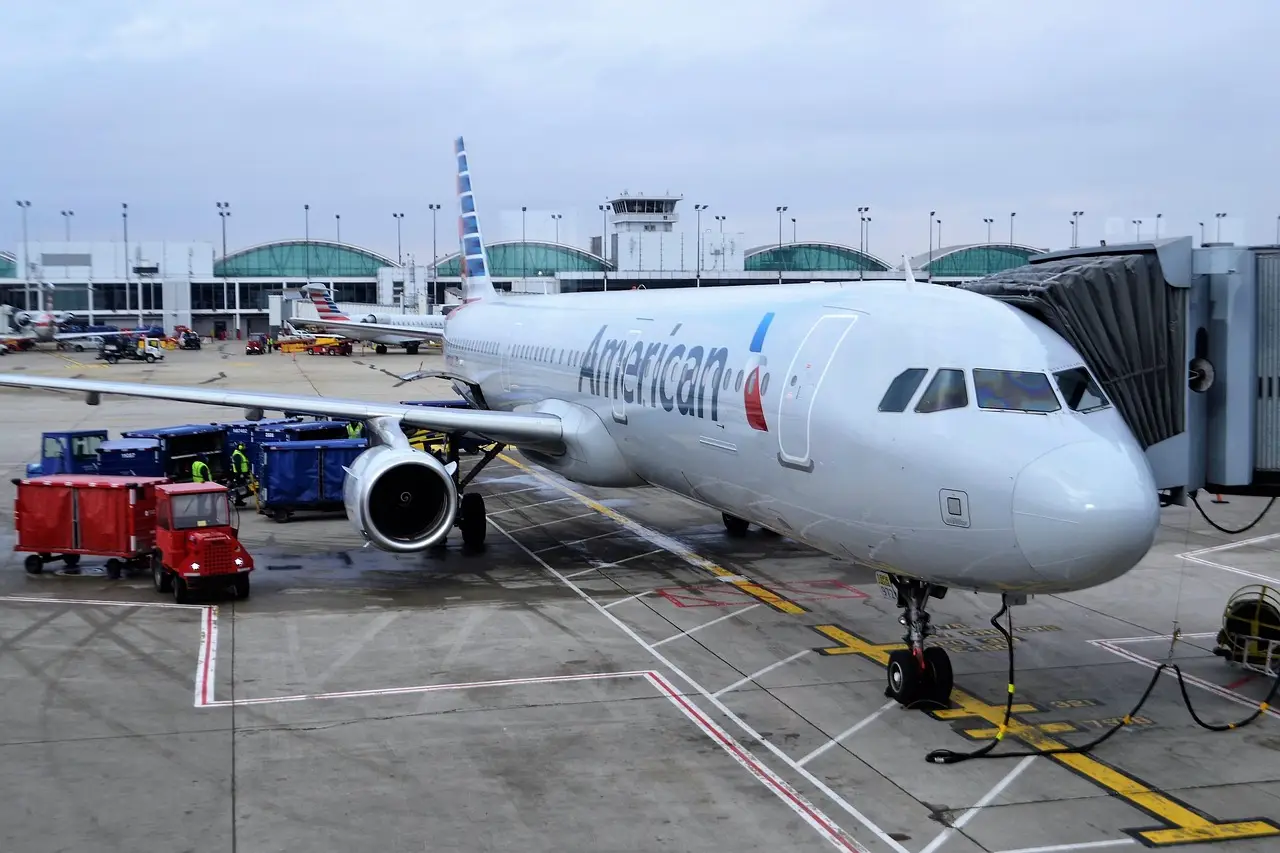
Ryanair has offered to invest $3.6 billion in the German aviation market in exchange for the abolition of the country's Air Traffic Tax, chief executive Michael O'Leary has announced. The conditional growth plan would double the carrier's German capacity and open four new bases, but only if Berlin scraps a levy generating roughly €2.1 billion ($2.2 billion) a year for the Federal Ministry of Finance.
The proposal puts a hard commercial number on a standoff between Europe's largest low-cost carrier and a government resisting full repeal. German Chancellor Friedrich Merz indicated earlier this month that the tax could be reduced to ease pressure on German airlines, but he has not suggested it will be abolished.
What has Ryanair put on the table?
O'Leary set two preconditions: abolition of the Air Traffic Tax and government action to reduce airport access costs. If both are met, the $3.6 billion programme could be enacted immediately, he said.
The expansion would deliver:
- Four new bases at Düsseldorf (DUS), Dortmund (DTM), Hamburg (HAM) and Stuttgart (STR)
- Reopening of the base at Berlin Brandenburg (BER), which Ryanair previously closed
- Growth to 12 bases and five additional destinations across Germany
- 250 new routes
- Annual German capacity doubling to 34 million passengers
- Up to 1,000 new jobs in Germany by 2032
The plan represents a step-change in Ryanair's German footprint and ties new capacity, employment and route development directly to fiscal policy rather than to organic demand.
What does the Air Traffic Tax cost passengers?
The tax applies to every passenger departing from a German airport. The government reduced the rates in July 2026, but the levy remains substantial at current levels:
- Short-haul flights (under three hours): €13.03 (£10.89) per passenger
- Medium-haul flights (three to six hours): €33.01 (£27.60)
- Long-haul flights (over six hours): €59.43 (£49.69)
The tax yields approximately €2.1 billion (£1.76 billion) annually for the Federal Ministry of Finance. Any decision to abolish it therefore carries a direct fiscal cost, which is central to the government's reluctance.
Will the tax be abolished?
The evidence so far points to reduction, not repeal. Merz has previously indicated the tax could be cut, and has not proposed its removal.
O'Leary, presenting the growth plan, framed the levy as a structural constraint on the German market. He said: "Germany is the worst-recovered aviation market in Europe following the Covid pandemic. It has been rendered hopelessly uncompetitive through astronomically high taxes, as well as airport, air traffic control, and security charges."
He argued that carriers have increasingly prioritised markets such as Italy and Poland, where no equivalent aviation taxes apply.
The recovery data supports the competitive gap. German air traffic volume stands at approximately 80% of pre-pandemic levels, while overall European air traffic surpassed pre-pandemic levels in 2025.
What does this change for German airports and consumers?
For the four airports named in the plan — Düsseldorf, Dortmund, Hamburg and Stuttgart — the offer represents a concrete volume opportunity tied directly to policy. A move to 34 million annual passengers would place significant new traffic into airports that, under the current tax regime, have lost growth to lower-cost European markets.
For passengers, the immediate stakes are the per-flight levy of €13.03 to €59.43, which O'Leary identifies as a factor suppressing demand and route development.
The gap between the two positions remains wide. Ryanair demands full abolition and lower airport access costs; Merz has offered only the possibility of rate reductions. The €2.1 billion annual revenue at stake suggests the government will weigh any cut against fiscal priorities, and the carrier's $3.6 billion investment will remain contingent until Berlin signals whether the Air Traffic Tax survives in reduced form or disappears altogether.
via travelradar.aero (Source)
More from Priya Raman
Show full bio
Market editor covering money, funding and market shifts around Commercial aviation industry coverage at Flightdeck Report.
699 articles
Same bay
- Ryanair to Quit Bremen From April 2027 Over Fees and German Air Taxes · November 13, 2026
- Ryanair carried 20.1 million passengers in September despite 1,000 cancellations · October 10, 2026
- Wizz Air and Ryanair Circle Rival Slots as European Carriers Struggle · November 13, 2026
- Ryanair Half-Year Profit Falls 15% as Fuel Bill Looms · November 2, 2026
- Ryanair's O'Leary Calls for Groundings to Fix Air Traffic Control · September 26, 2026