Clearance CLR-1938 · AIR349
AIRSAU
Airspace & RegulationClearance sheet
Saudi Air Navigation Services plots ATM path to Vision 2030
Saudi Air Navigation Services is framing airspace modernization and air traffic management reform as a precondition for Saudi Arabia's Vision 2030 aviation growth targets.
Read-back
- Saudi Air Navigation Services manages Saudi Arabia's airspace and air traffic control.
- The provider ties 'sustainable skies' to the Vision 2030 national programme.
- The positioning was set out in a World Finance profile.
- No specific traffic, investment or timeline figures were published in the source.
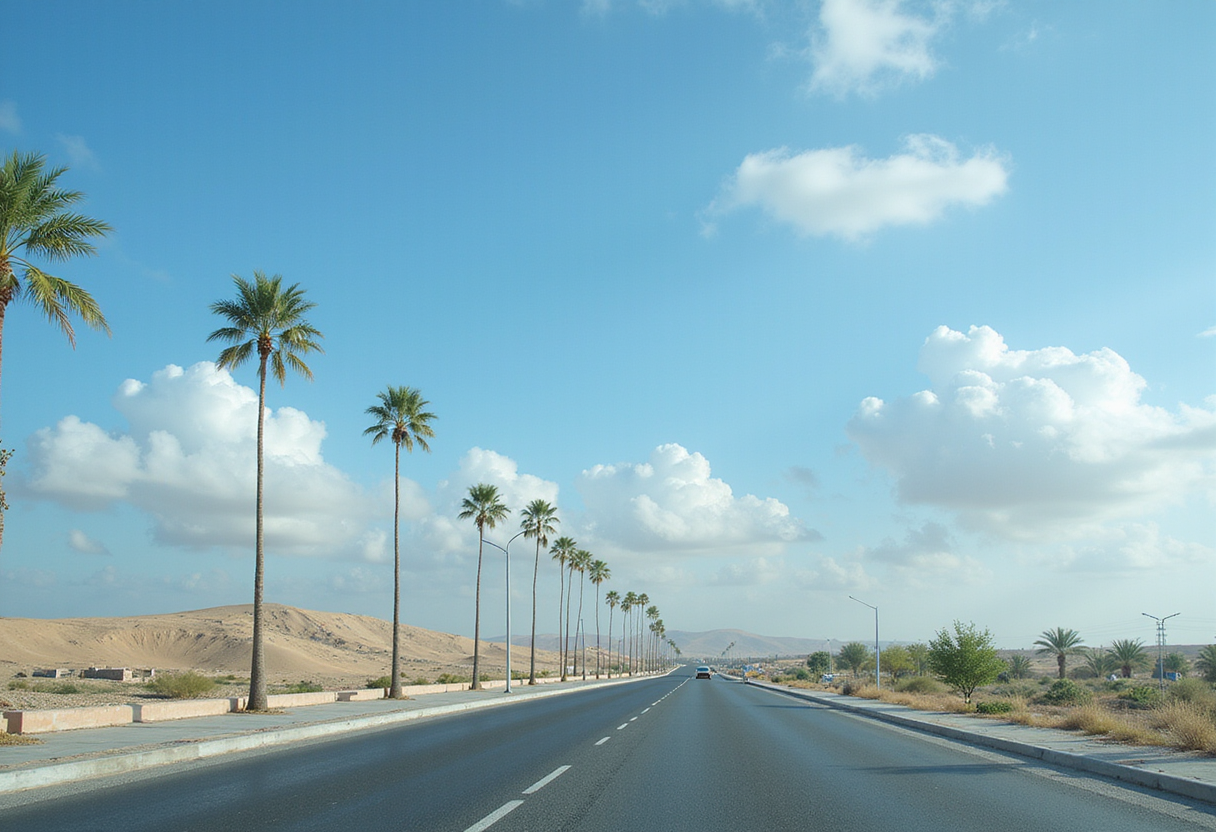
Saudi Air Navigation Services is positioning airspace and air traffic management reform as a core pillar of Saudi Arabia's Vision 2030 programme, arguing that sustainable, efficient skies are a precondition for the kingdom's aviation and economic expansion goals.
The state air navigation provider set out its position in a profile published by World Finance, framing its mandate around the delivery of what it calls sustainable skies — an air traffic system capable of absorbing rapid traffic growth while meeting efficiency and environmental objectives tied to the 2030 national strategy.
What is SANS actually responsible for?
Saudi Air Navigation Services (SANS) manages the kingdom's airspace and provides air traffic control across Saudi Arabia's flight information regions. Its remit places it at the centre of the capacity question now confronting the Gulf's largest geography: as Saudi carriers expand and new airports and routes come online under Vision 2030, the air navigation system must keep pace or become the constraint on growth.
The company's argument is straightforward. Airlines can order aircraft and airports can build terminals, but if airspace design, controller capacity and surveillance infrastructure do not scale in parallel, network bottlenecks will absorb the gains. Air traffic management, on this view, is not back-office infrastructure but a competitive variable — one that shapes route economics, fuel burn and schedule reliability for every operator crossing or serving the kingdom.
Why Vision 2030 raises the stakes
Vision 2030 is Saudi Arabia's programme to diversify the economy away from oil, with aviation designated as a growth sector alongside tourism and logistics. The strategy presupposes a step change in air traffic: more visitors, more connectivity, and a larger domestic carrier footprint all translate into more movements through Saudi-controlled airspace.
SANS links its modernization agenda to that trajectory. The sustainability framing in the World Finance profile carries two distinct meanings. The first is environmental: more direct routings, better sequencing and reduced holding all cut fuel consumption per flight, aligning air navigation with emissions goals. The second is operational: a system that can sustain growth through 2030 without degradation in delay performance or safety margins.
The regional context
Saudi Arabia is not pursuing airspace efficiency in isolation. Neighbouring Gulf states have invested heavily in air traffic management capacity to support hub operations, and the kingdom's ambition to grow its own aviation footprint — rather than simply overfly traffic between other hubs — increases the premium on navigation infrastructure that can handle density.
For airlines, the practical consequences play out in dispatch reliability, block times and fuel planning over Saudi airspace. For the Saudi state, the consequences are fiscal and strategic: aviation targets embedded in Vision 2030 depend on the airspace layer performing.
The World Finance profile did not publish specific traffic figures, investment amounts or delivery timelines for individual SANS programmes, and those data points will determine whether the sustainable-skies ambition converts into measurable capacity gains.
SANS says it will continue aligning its air traffic management investment with Vision 2030's aviation and sustainability milestones as the 2030 horizon approaches.
via Google News: Air traffic control and airspace (Source)
More from James Calloway
Show full bio
Staff writer covering industry trends and analytics at Flightdeck Report.
320 articles
Same bay
- FDR628EASA Warns Airlines to Avoid Parts of Saudi Airspace · October 1, 2026
- FDR779Houthis Warn Airlines Over Saudi Airspace as Yemen Strikes Intensify · October 9, 2026
- FDR181EASA warns airlines to avoid parts of Saudi airspace · September 30, 2026
- FDR848EU Aviation Agency Issues Saudi Airspace Advisory After Houthi Attacks · October 1, 2026
- FDR674Houthis warn Saudi airspace unsafe while Yemen campaign continues · October 9, 2026