Clearance CLR-4959 · AIR984
AIRSCH
AirportsClearance sheet
Schiphol Sends 29 Retired Electric Apron Buses to Ukraine
Amsterdam Schiphol has donated 29 retired airside electric buses to Ukraine, loading each vehicle with generators and medical aid for the journey to communities facing a wartime winter.
Read-back
- Schiphol is donating 29 used electric airside buses to Ukraine for use as city and school transport.
- CEO Pieter van Oord handed the fleet to Ambassador Andriy Kostin and Protect Ukraine founder Jaap Scholten.
- Each bus carries humanitarian aid, including small generators and medical supplies, needed this winter.
- Schiphol arranges and pays transport to the Ukrainian border; recipients then own and operate the buses.
- Recipients include local authorities, schools, civil society groups and a war veterans' hospital.
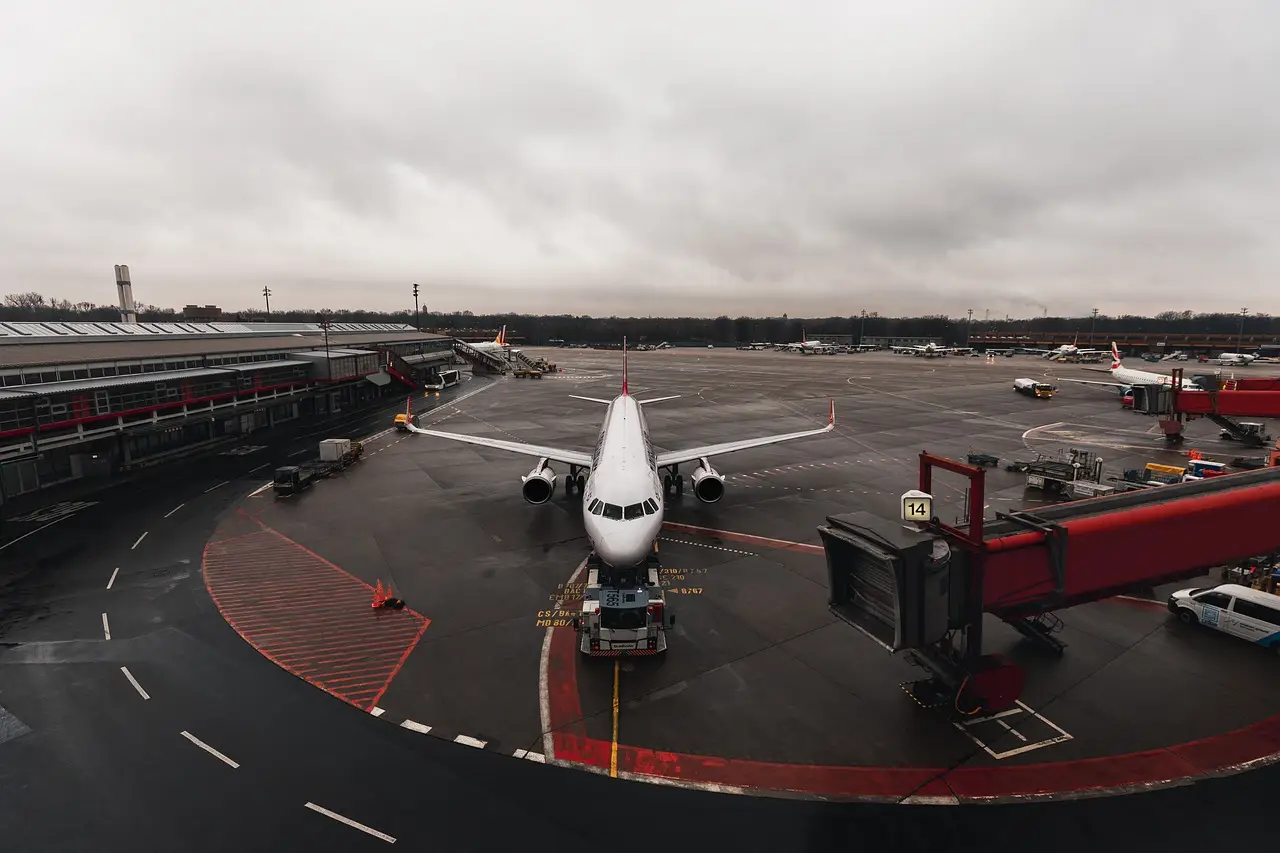
Amsterdam Schiphol has handed over 29 used electric buses to Ukraine, where the vehicles will be redeployed as city and school transport instead of shuttling passengers between terminals and parked aircraft.
The handover marks an unusual second life for airside equipment (vehicles operating inside the airport's security perimeter). Schiphol CEO Pieter van Oord formally transferred the fleet to Ukraine's ambassador to the Netherlands, Andriy Kostin, and to Jaap Scholten, founder of the Protect Ukraine Foundation, a Dutch aid organization.
"Buses that we no longer use here can still make a real difference in Ukraine," Van Oord said. "In this way, we hope to make a tangible contribution in a country where the war continues to put enormous pressure on daily life and mobility."
Why the buses became available
Schiphol had already replaced the electric buses with new vehicles at the airport. Rather than scrap or sell the retired units, the airport worked with the Dutch Ministry of Foreign Affairs and the Ukrainian embassy to find the most useful application for them.
The selection process was deliberate. Ukrainian authorities chose the recipients based on two criteria: local need, and the capacity of each recipient to actually run and maintain the vehicles. Electric buses require charging infrastructure and technical competence, so allocation went only to organizations that could sustain operations.
Where the vehicles will serve
The 29 buses will go to local and regional authorities, schools and civil society organizations. The recipients include a hospital for war veterans. The distribution reflects the stated aim of supporting everyday civilian mobility rather than a single large operator.
"These buses will soon serve Ukrainian communities, helping people in their daily lives," Ambassador Kostin said. He thanked Royal Schiphol Group and Protect Ukraine for "turning solidarity into concrete action."
What does this change for the buses themselves?
Each vehicle doubles as a freight container. The buses will be loaded with humanitarian aid for the journey to Ukraine, including small generators and medical supplies. Protect Ukraine helped pack the cargo.
The generators are urgently needed this winter, both by civilians and by military personnel, given the pressure on Ukraine's power grid. What goes into each bus is decided separately for every vehicle, and each load must comply with customs and export rules — a constraint that shapes how much aid each unit can carry.
How the logistics work
The buses will travel to Ukraine by truck, not under their own power. Schiphol is arranging and paying for transport as far as the Ukrainian border. At the border, the Ukrainian recipients take over and drive the buses to their final destinations.
Ownership transfers at that moment. From the point of handover, the buses belong to the Ukrainian organizations, which carry full responsibility for import, registration, insurance, maintenance and operation on their side.
The division of costs is therefore split cleanly: Schiphol funds procurement-side logistics up to the border, while the recipients absorb the downstream burden of putting 29 used electric vehicles into compliant service in a wartime economy. With the generators and medical supplies on board, the first buses are expected to reach Ukrainian communities ahead of the winter months.
via travelwires.com (Source)
More from Sophie Lindqvist
Show full bio
Senior reporter covering people, launches and day-to-day practice in Commercial aviation industry coverage at Flightdeck Report.
626 articles
Same bay
- FDR601Schiphol joins Pharma.Aero as 1.43m-tonne cargo gateway eyes pharma share · October 10, 2026
- FDR831Schiphol joins Pharma.Aero as pharma cargo competition intensifies · October 9, 2026
- FDR711Schiphol Airport Joins Pharma.Aero at Strategic Tier · October 10, 2026
- FDR344Court Clears Schiphol's Halving of Ground Handlers to Three · November 10, 2026
- FDR373Schiphol Cuts Ground Handlers to Three After Court Backs Tender · September 28, 2026