Clearance CLR-4442 · SAF153
SAFSEV
Safety & OperationsClearance sheet
Seven of Twelve: Why India's Himalayan Helicopter Routes Keep Killing
Seven of India's 12 helicopter accidents since 2020 occurred in Uttarakhand, killing 21 of 30 crash victims. A parliamentary panel blames fractured oversight.
Read-back
- Seven of 12 Indian helicopter accidents since 2020 occurred in Uttarakhand; 21 of 30 crash deaths nationwide were in the state (MoCA data, July 2025).
- A six-person helicopter flying Badrinath to Dehradun crashed in adverse weather, killing all aboard.
- CFIT was the probable cause of the June 2025 Gaurikund crash, flown in poor visibility.
- The Parliamentary Standing Committee on Transport (August 2025) flagged a 'fractured and ambiguous regulatory command structure'.
- UCADA, created in 2013, coordinates state-level operations while DGCA oversight remains largely advisory.
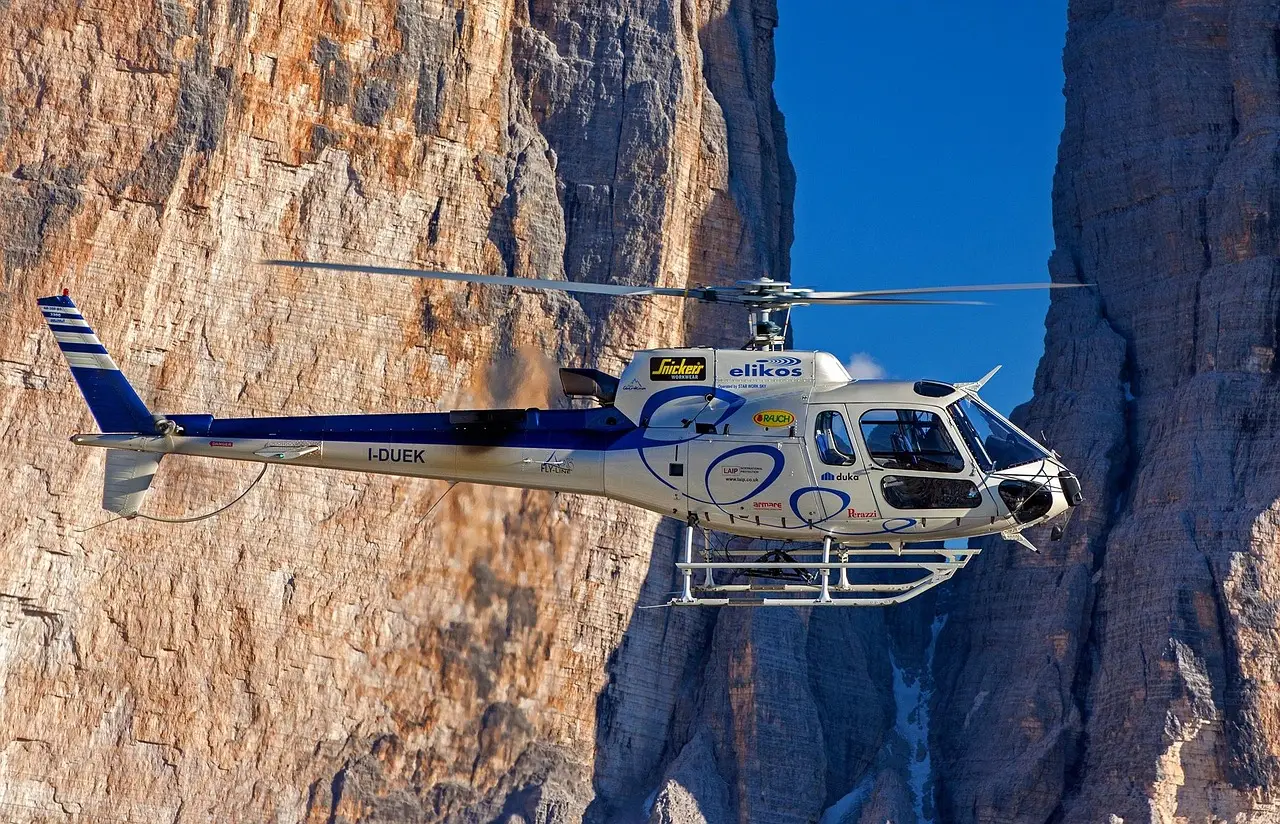
Seven of India's twelve helicopter accidents since 2020 occurred in Uttarakhand, and 21 of the 30 people killed in helicopter crashes nationwide died in that one Himalayan state, according to Ministry of Civil Aviation data shared with Parliament in July 2025.
The latest loss came when a helicopter carrying six people, including the pilot, crashed returning from Badrinath to Dehradun in adverse weather. All six died. The accident has refocused attention on the Char Dham pilgrimage corridors, where commercial helicopter services shuttle devotees to remote Himalayan shrines during a compressed season lasting only a few months each year.
Last summer alone produced at least five incidents within a couple of months, including multiple fatal crashes — enough to push the state administration, the Uttarakhand Civil Aviation Development Authority (UCADA), the MoCA and the Directorate General of Civil Aviation (DGCA) into announcing safety audits and temporary operational pauses.
Why does the terrain kill?
The Char Dham routes thread deep valleys flanked by steep mountains, leaving pilots almost no room to manoeuvre when weather turns or a technical problem appears. Mountainous terrain disrupts wind patterns and produces sudden, hard-to-predict turbulence. Visibility can collapse quickly through cloud movement, mist and unpredictable rain.
Most operations here run under Visual Flight Rules — pilots fly by eye, maintaining separation from terrain without instrument guidance. The dominant hazard is Controlled Flight Into Terrain (CFIT): an aircraft under pilot control striking ground the pilot did not see. Investigators cited CFIT as the probable cause of the June 2025 Gaurikund crash, in which the helicopter reportedly flew despite poor visibility and extensive clouding.
Weather data compounds the problem. A reading at a base such as Guptkashi may bear no relation to conditions at Kedarnath or in the connecting valleys. A district-level forecast cannot tell a pilot whether a specific valley entrance is safe at a specific moment — the exact decision a VFR pilot in mountains has to make.
Who is actually in charge?
Many Uttarakhand helipads lack formal air traffic control. In narrow valleys carrying multiple helicopters at once, pilots fall back on radio calls and relayed information rather than procedural separation.
The oversight structure is split. Aviation sits on the Union List, so the DGCA regulates airspace nationally, while UCADA — created in 2013 — coordinates with operators at state level.
The Parliamentary Standing Committee on Transport, Tourism and Culture, in an August 2025 report, described the consequence bluntly. The DGCA's role is primarily licensing and issuing safety guidelines to UCADA; it does not directly and continuously supervise daily operations. The result, the committee found, is jurisdictional ambiguity, with the national regulator appearing to have ceded direct oversight of a hazardous aviation activity to a state body whose capacity and expertise have been questioned.
The committee called this a symptom of a "larger and more dangerous structural flaw" — a "fractured and ambiguous regulatory command structure" in Indian aviation governance.
Do commercial pressures override safety?
Pilgrimage demand concentrates intense flight activity into a short season. Peak-time operations mean repeated shuttle trips, and the economics of short-duration flying can push operators to maximise daily trip counts. Experts warn the pressure can encourage flights in poor weather, skimped technical checks and continued operations despite warnings.
Pilot fatigue adds another layer — one that remains largely unmonitored. Repeated sorties through demanding terrain demand constant reassessment of weather, terrain, aircraft performance and traffic.
A DGCA operations circular governs pilgrimage helicopter flights and places responsibility on operators. But recurring accidents raise questions about how effectively that circular is enforced.
What has to change?
The committee's findings point past aviation alone, toward a governance gap between central regulators and state-level implementation. Two fixes follow from the record. First, the DGCA and UCADA need clearer, separated roles, with genuine continuous safety supervision replacing periodic licensing checks. Second, seasonal commercial pressure must be balanced against safety protocols rather than allowed to set the flying tempo.
Until both happen, the corridors above Char Dham will likely stay among India's most dangerous places to fly.
via Google News: Aviation safety (Source)
More from Nathan Brooks
Show full bio
Correspondent covering technology and product news in Commercial aviation industry coverage at Flightdeck Report.
606 articles
Same bay
- FDR817Nepal to Split Aviation Regulator in Air Safety Overhaul · October 10, 2026
- FDR223Flydubai Jet Survives 16,000-Foot Uncontrolled Descent · October 1, 2026
- FDR886Nepal to Split CAAN in Two as Safety Overhaul Targets EU Ban · October 9, 2026
- FDR366Army report finds systemic failures behind DC midair collision that killed 67 · October 9, 2026
- FDR884Army Report Finds Systemic Failures Behind DC Midair Collision · October 9, 2026