Clearance CLR-2215 · AIR172
AIRTRA
Air CargoClearance sheet
Transatlantic airfreight rates hit four-year high as peak season tightens capacity
Europe-US airfreight rates hit $3.27 per kg, the highest since December 2022, as peak-season demand meets tightening capacity; the 13 November US grounding had little effect.
Read-back
- Europe-US airfreight rates reached $3.27 per kg, the highest since December 2022, after a 12% weekly rise.
- China–North America rates rose 16% to $9.25 per kg, exceeding last December's peak of $8.
- ExFreight data show Denmark–US rates up 191% since June, from $2.55 to $7.41 per kg.
- Cathay Cargo October tonnage rose 8% year on year on just 1% more available freight tonne km.
- Passenger demand to Dubai remains 28.1% below last year amid Middle East tensions.
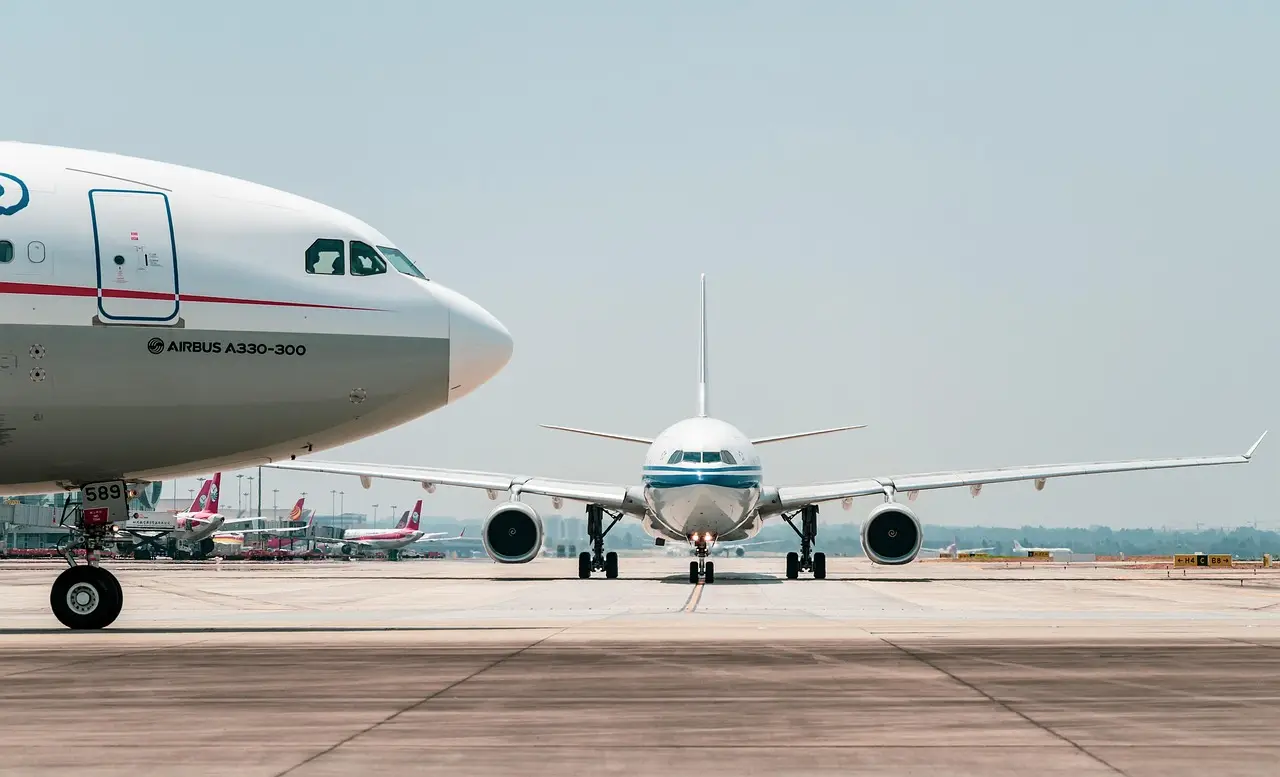
Europe-US airfreight spot rates reached $3.27 per kg last week, their highest level since December 2022, after a 12% weekly jump driven by peak-season demand and tightening capacity. China–North America rates rose 16% to $9.25 per kg, already exceeding last December's peak of $8, according to Freightos data.
The increases predated the nationwide US flight grounding on 13 November. Neither lane recorded a significant further rise after the disruption. Thomas Cullen, an analyst at Transport Intelligence, said the FAA system failure appeared to have had "remarkably little impact" on US airfreight operations. UPS and FedEx had warned of possible delays; Delta briefly embargoed pharmaceutical and fresh cargo, lifting the restrictions the following day.
What do forwarder data show?
Figures supplied by freight forwarder ExFreight suggest transatlantic increases accelerated sharply this month. For shipments above 100kg, average Europe-US rates held near $3.06 per kg from June through October, then jumped 25% to $3.83 in November. Asia-US rates rose more moderately, up 10% over the same period, from $7.81 to $8.63 per kg.
Individual European origin lanes moved far more violently:
- Denmark–US: up 191%, from $2.55 to $7.41 per kg
- Sweden: up 59%
- France: up 53%
- Austria: up 47%
- Switzerland: up 39%
- UK: up 25%
Asian lanes showed the same unevenness. South Korea rose 64%, Indonesia 53%, Hong Kong 34%, Japan 28%, China 21% and Malaysia 14%. Rates from India fell 17%, Sri Lanka 14% and Taiwan 7%.
Why does the market behave this way?
Charles Marrale, CEO of ExFreight, described the conditions bluntly: "Honestly the market is very weird right now. We are seeing larger accounts slow down, but then we are adding on a lot of new business from smaller accounts." He said the company's API connectivity was attracting smaller businesses embracing artificial intelligence and integrating freight providers directly into their enterprise resource planning systems.
Cathay Cargo reported 8% year-on-year tonnage growth in October, despite available freight tonne kilometres rising just 1%. Tonnage for the first ten months was up 9%. The carrier credited strong exports from North-east and South-east Asia, with network equipment shipments supporting Cathay Priority and semiconductor traffic underpinning Cathay Expert.
Cathay expects demand to stay strong through the traditional peak season. It plans to add another A330 freighter, operated by Air Hong Kong, on selected regional routes.
Will prices stay elevated?
Freightos attributed Europe-US demand to seasonal volumes and Asia-origin cargo seeking alternative routings. Reduced winter passenger schedules and freighter redeployment could restrict capacity further.
Marrale warned that cuts in US airline capacity, driven by higher fuel costs and weaker passenger demand, could keep prices elevated. He also pointed to Middle East tensions: passenger demand to Dubai remains 28.1% below last year's levels, with the wider region down roughly 30%. "I don't expect Gulf capacity to increase until the current situation with Iran is settled," he said.
Looking ahead, Marrale suggested potential US tariff reductions under the incoming Congress could prompt importers to rush to restock, triggering another rise in airfreight rates. He acknowledged the absence of a veto-proof majority makes any legislative change uncertain. For now, the pricing power sits with carriers, and the calendar sits with peak season.
via The Loadstar (Source)
More from Grace Kim
Show full bio
News editor covering companies, deals and strategy in Commercial aviation industry coverage at Flightdeck Report.
654 articles
Same bay
- FDR530Airfreight rates climb 31% on Hong Kong–US lane into Q4 peak · October 10, 2026
- FDR339Cargo rates hold as Golden Week cuts tonnage and Gulf capacity · October 30, 2026
- FDR715Air cargo demand rises 4.4% in August with first yield gain since April · October 10, 2026
- FDR259EU De Minimis Curb Slows Asia Pacific Cargo Growth to 1.1% · September 28, 2026
- FDR450Expeditors Posts Record Airfreight Tonnage as AI Hardware Reshapes Cargo · November 4, 2026