Safety & OperationsClearance sheet
Two American 737-800s Collide While Taxiing at DCA
Two American Airlines 737-800s collided while taxiing at DCA on Nov. 27, shearing a wingtip off Flight 2152 and prompting an evacuation — the third ground collision at a North American hub since October.
Read-back
- Two American Airlines Boeing 737-800s collided while taxiing at DCA at about 17:10 ET on Nov. 27, breaking the wingtip off Flight 2152 bound for Chicago.
- No injuries were reported; both aircraft were removed from service for inspection and passengers were rebooked that evening.
- A pilot told ATC the aircraft was 'slightly over the hold short line' before contact.
- The collision is the third North American ground incident since October, after events at Miami (172 aboard, two minor injuries) and Los Angeles.
- DCA still operates at a reduced arrival rate of 30 per hour following the January 2025 mid-air collision that killed 67 people.
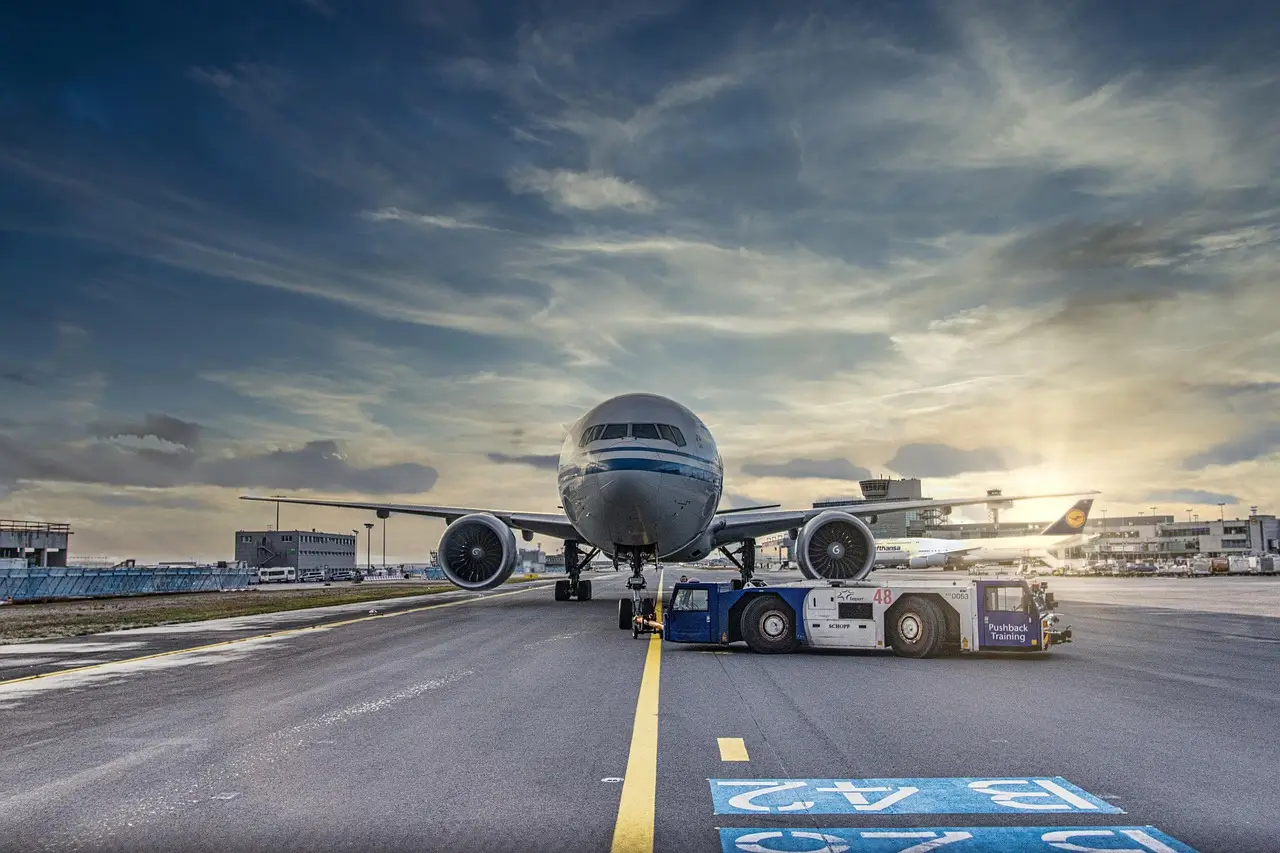
Two American Airlines Boeing 737-800s collided on a taxiway at Ronald Reagan Washington National Airport (DCA) on Nov. 27, shearing the wingtip off one aircraft and forcing passengers to evacuate onto the ramp.
The contact occurred at approximately 17:10 ET (10:10 GMT). American Flight 638, bound for Dallas, struck American Flight 2152, which was preparing to depart for Chicago. The impact broke off the wingtip of Flight 2152.
Air traffic control recordings captured one of the pilots reporting the aftermath bluntly: "Yes sir, we are slightly over the hold short line and unfortunately we swapped paint with the American behind us, next to us."
The phrase "swapped paint" undersold the damage. A separated wingtip is a structural repair event, not a paint scuff, and American pulled both aircraft from service for inspection by its maintenance team. Passengers were escorted back to the terminal and rebooked onto alternative flights later that evening.
An American Airlines spokesperson confirmed the essentials: "While taxiing for departure at Ronald Reagan Washington National Airport (DCA), an American Airlines aircraft made contact with another American aircraft. There were no injuries, and both aircraft returned to the gate and have been removed from service for inspection by our maintenance team."
The Federal Aviation Administration reported no injuries. Passengers on board described a tense atmosphere during the evacuation.
What did the collision cost DCA's operation?
The incident rippled across the airport's evening operation. One arriving aircraft reportedly aborted its landing while the ramp emergency unfolded.
Two 737-800s out of service, a disrupted arrival flow and a terminal full of rebooked passengers — at a slot-constrained airport like DCA, that is a measurable operational hit, not a footnote. Neither American nor the FAA has disclosed the expected repair timelines for the two airframes.
The FAA will investigate the ground collision, which adds to a pattern of taxiway contact events across North American hubs in recent months.
Is this part of a wider trend of ground collisions?
The DCA event is the third notable ground collision in North America in as many months.
- Earlier in November, a Copa Airlines commercial aircraft carrying 172 passengers and crew struck the nose of a UPS cargo aircraft at Miami International Airport (MIA), leaving two people with minor injuries.
- In October, the left wingtip of a taxiing Delta Air Lines aircraft contacted the tail of an Air Canada aircraft at Los Angeles International (LAX). No injuries were reported there.
Three wingtip-to-fuselage contact events at three major hubs in three months. That is the kind of sequence that typically draws FAA attention to taxiway geometry, hold-short line compliance and surface movement procedures — the exact factors on display in the DCA pilot's own report of being "slightly over the hold short line."
Why does DCA face extra scrutiny?
The Nov. 27 collision lands on an airport already under a safety microscope.
In January 2025, an American Airlines Bombardier CRJ700 operating Flight 5342 collided mid-air with a US Army Sikorsky UH-60 Black Hawk helicopter near the airport. All 67 people aboard the two aircraft died in the accident — the deadliest US air disaster in more than a decade, and the reason DCA's name now carries weight in every safety story written about it.
The FAA's response to that crash reshaped the airport's traffic picture. The agency cut the DCA hourly arrival rate from 36 to 26 and restricted helicopter traffic in the surrounding airspace, then gradually raised the arrival rate to 30 after determining that the uptick could be handled safely — where it remains today.
The FAA has also increased staffing levels among air traffic controllers, managers and operational support personnel since the January accident.
A ground collision with no injuries is a different category of event entirely from a fatal mid-air impact. But at an airport already operating under reduced arrival caps and elevated regulatory attention, a taxiway collision involving two aircraft from the same airline — with one pilot acknowledging a hold-short line overrun — will feed directly into the ongoing review of surface safety at DCA.
The FAA's investigation of the Nov. 27 event will determine whether the wingtip loss traces to a single taxi error or something structural in the airport's surface movement procedures.
via travelradar.aero (Source)
More from Nathan Brooks
Show full bio
Correspondent covering technology and product news in Commercial aviation industry coverage at Flightdeck Report.
717 articles
Same bay
- Copa 737 Wingtip Strikes UPS 767 on Miami Taxiway, Two Minor Injuries · November 15, 2026
- Copa 737 Strikes UPS 767 on Miami Taxiway; FAA Opens Investigation · November 16, 2026
- United 737 MAX 9 Squawks 7500 After Cockpit Breach Attempt · November 10, 2026
- Jet Blast Flips Cessna 172 at John Wayne Airport; Two Uninjured · November 11, 2026
- United 787-9 Diverts to Athens After Burning Smell Reported in Cabin · November 10, 2026