Clearance CLR-8252 · AIR527
AIRVIR
Airlines & NetworksClearance sheet
Virgin Australia gate staff extend industrial action over enterprise agreement
ASU-represented Virgin Australia gate staff are withholding priority boarding and gate bag collection, and waiving fees, as enterprise agreement talks stall over pay, nine-hour shifts and entitlement cuts.
Read-back
- ASU members at Virgin Australia suspended priority boarding, gate baggage acceptance and some sales-related fees from Friday.
- Virgin's offer is a 5% year-one pay rise, then 4% in years two and three, plus higher shift loadings.
- Workers object to proposed nine-hour shifts, pay levels and cuts to days in lieu.
- Virgin cabin crew are voting on separate protected industrial action over pay and conditions below pre-pandemic levels.
- The tactic mirrors ASU-backed fee waivers used by Jetstar airport staff last month.
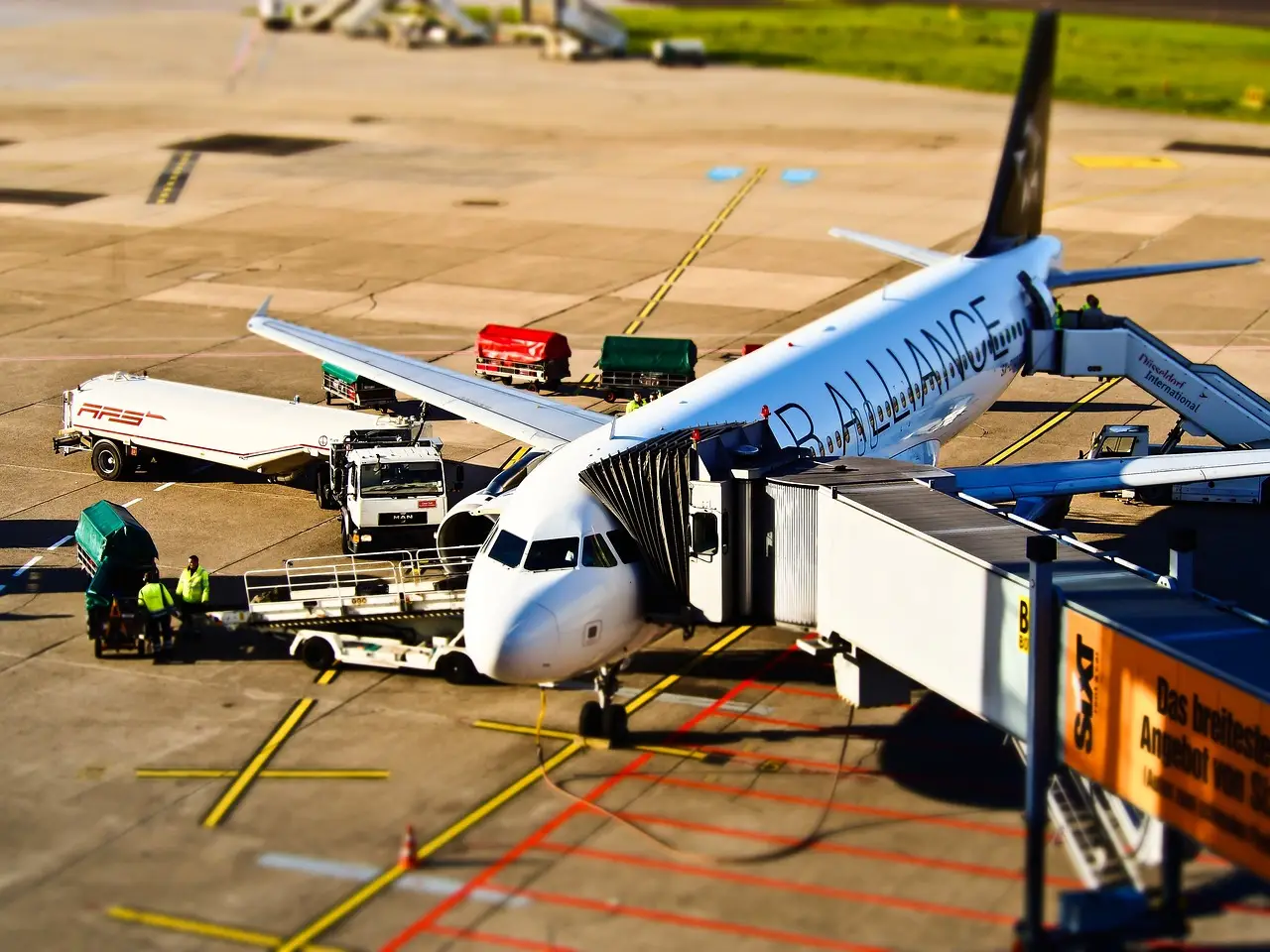
Virgin Australia airport staff represented by the Australian Services Union (ASU) have extended protected industrial action, suspending priority boarding and refusing gate baggage collection as negotiations over a new enterprise agreement stall.
On Friday, workers boarded all guests simultaneously rather than in priority groups, declined to accept baggage at gates, and waived selected sales-related fees. The measures follow the pattern set by Jetstar airport staff, also ASU-backed, who used fee waivers last month to pressure the airline while keeping passenger disruption to a minimum.
The action sits under Australia's protected industrial action framework, which shields legally notified stoppages and work bans from employer retaliation while a new enterprise agreement (the collective contract setting wages and conditions) remains unresolved.
What is the dispute about?
ASU assistant national secretary Scott Cowen framed the core issue as a mismatch between service ambitions and resourcing. He said: "Virgin wants to run a premium model on budget resources. This is simply not sustainable for our members or passengers."
The union argues staff are being asked to "deliver a premium airline experience on budget airline conditions, after years of cuts that have left workers exhausted". It points to the pandemic and Virgin's period in administration, when thousands of jobs were cut and remaining staff accepted a wage freeze to help the airline recover. Since then, the ASU says, workers have been asked to do more with fewer staff numbers, and passengers have felt the loss of experienced personnel at airports and customer contact centres.
Cowen added: "Employees have always stuck by the company, and instead of rewarding them at a time they need it most, Virgin Australia is trying to remove their hard-earned entitlements."
What has Virgin offered?
Virgin Australia has put forward a 5 per cent base wage increase in year one, followed by 4 per cent in each of years two and three. The offer also includes increases to day and afternoon shift loadings (penalty payments attached to unsociable hours), clearer career progression, and rostering improvements with more days off per year.
A Virgin spokesperson said: "There are no expected impacts to today's services as a result of the action. We value the contribution of our Guest Services team members and remain committed to working with the ASU and employee representatives to reach an agreement."
Workers, however, say the offer "is not acceptable and falls well short of expectations". Their objections centre on three points:
- the proposed introduction of nine-hour shifts;
- pay outcomes that "do not adequately reflect or recognise their work";
- proposed cuts to days in lieu (time off granted instead of paid overtime).
Cowen warned the shift-length change carries operational risk, not just a welfare cost. "Nine-hour shifts on your feet for shift workers with no proper place to sit or rest will lead to the burn-out of several of Virgin's best workers. It is essential Virgin Australia prioritises worker health and safety. When experienced staff leave, passengers take notice," he said.
What does this change for passengers?
In the immediate term, very little. Boarding proceeds as normal but without priority sequencing, and passengers who would normally pay fees for certain sales-related services at the gate are having them waived. The airline itself expects no service cancellations. The design of the action — fee waivers and process withdrawals rather than stoppages — deliberately shifts the cost onto Virgin's revenue and service model rather than onto travellers.
"Virgin's workers and passengers are on the same team. Management needs to invest in the people who built this result. The work does not stop being hard just because a company decides it is not worth paying properly for," Cowen said.
A second front opening
The gate action is not the only pressure point. Virgin cabin crew have been voting on whether to take protected industrial action of their own, arguing pay and conditions "still have not returned to pre-pandemic levels". A second bargaining dispute reaching the action stage would widen the exposure across the airline's passenger-facing operations.
With gate staff showing no sign of returning to full duties, and a cabin crew ballot in progress, the pace of any resolution now rests on whether Virgin's three-year pay offer can be reworked to address shift length and entitlement cuts before the campaign escalates.
via australianaviation.com.au (Source)
More from Sophie Lindqvist
Show full bio
Senior reporter covering people, launches and day-to-day practice in Commercial aviation industry coverage at Flightdeck Report.
616 articles
Same bay
- FDR829Qantas to Outsource 850 Head-Office Roles to Accenture, Union Alleges Broken Pledge · November 11, 2026
- FDR928Virgin Australia trims capacity as the fuel bill climbs · November 11, 2026
- FDR721Staffing Pressures at Center of Sydney Airport Near-Miss Probes · September 30, 2026
- FDR482Sydney controllers warn of collision risk after airspace redesign · September 30, 2026
- FDR168Virgin Australia pushes first 737 MAX 10 delivery to June 2028 · November 11, 2026