Clearance CLR-1519 · AIR928
AIRVIR
Airlines & NetworksClearance sheet
Virgin Australia trims capacity as the fuel bill climbs
Virgin Australia forecasts more than $700m in fuel costs for the first half but expects EBIT broadly in line with $279m, cutting capacity and seeking a 6-8% RASK lift.
Read-back
- Virgin Australia expects EBIT for the six months to December 2026 to remain broadly in line with its prior $279 million underlying profit.
- Forecast fuel costs exceed $700 million for the same six-month period.
- Domestic capacity is down 1% since July, with another 4% reduction planned by December; RASK is expected to rise 6%-8%.
- About 96% of expected fuel usage is hedged through June 2027, although Virgin still expects fuel costs to rise.
- Qantas raised its fuel-cost forecast by $150 million to $3.75 billion for the six months to December 31, 2026; jet fuel reached US$176.40 per barrel on November 3, up 81.8% year on year.
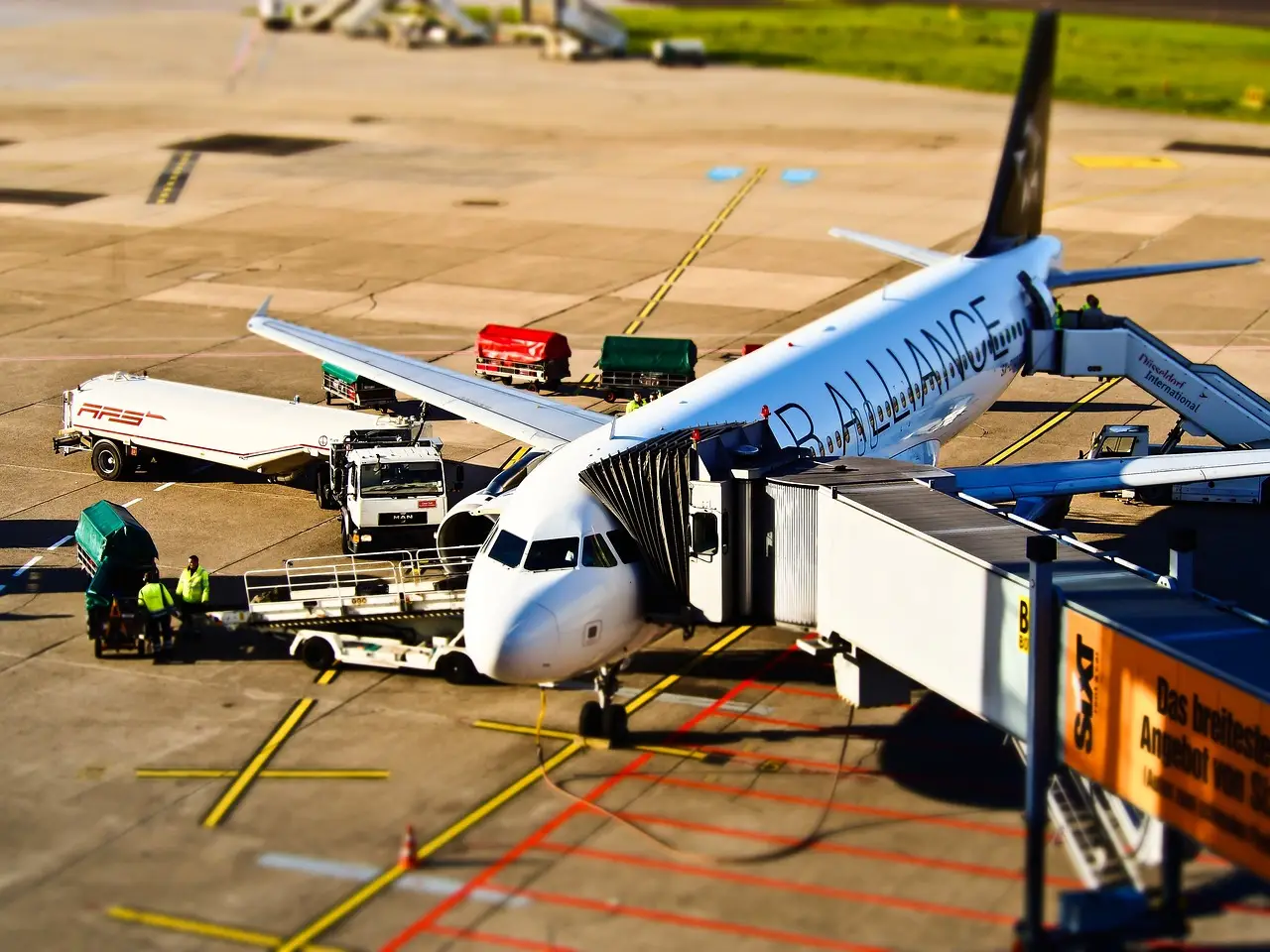
Virgin Australia expects earnings before interest and tax for the six months to December 2026 to stay “broadly in line” with the $279 million underlying profit from the first-half FY2025–26 result it cited, even as the airline forecasts more than $700 million in fuel costs for the coming half.
In an announcement on the ASX, Virgin pairs that profit guidance with domestic supply restraint and higher airfares. The company says the aim is to stabilise operating costs and minimise damage to its balance sheet as fuel prices climb.
“Domestic demand remains resilient, with revenue performance supported by disciplined capacity management,” Virgin told shareholders. “Considering the high fuel and operating cost environment, Virgin Australia has adjusted capacity and airfares.”
The evidence so far mixes completed action with guidance. Virgin has reduced domestic capacity by 1% since July. Its further 4% cut by December, the 6% to 8% increase in revenue per available seat kilometre and the broadly flat EBIT remain forecasts.
What does the capacity cut change?
Virgin’s disclosed plan is narrow but measurable:
- Domestic capacity is down 1% since July.
- A further 4% reduction is planned by December.
- Revenue per available seat kilometre (RASK) is expected to rise 6% to 8% through December 2026.
The first change is already reflected in the schedule; the other two are guidance. For the network, that means fewer Virgin domestic seats. Financially, resilient demand and higher fares must offset higher fuel expense and the revenue contribution lost with each removed seat.
How much protection do the hedges provide?
Virgin Australia expects fuel costs above $700 million for the six months to December 2026, a total it says remains consistent with earlier expectations because previous hedging agreements protect it from the full extent of price volatility. The airline nevertheless expects fuel costs to rise through the end of June 2027.
About 96% of expected fuel usage is hedged through June 2027. That means the market price will not translate fully into Virgin’s fuel bill, although the company still expects costs to climb over the period.
In April, Virgin said fuel was one of its largest costs and accounted for 21% of total operating expenses in the six months to December 2025. It also announced capacity cuts in response to rising fuel costs then. The 21% figure is a historical cost share, not a forecast for the current half.
What is Qantas doing with capacity and fares?
Qantas is moving in the same direction, but with a larger absolute fuel forecast. Earlier this week, it raised expected fuel costs for the six months to December 31, 2026 by around $150 million, to $3.75 billion. It plans to ease capacity growth through the end of the fiscal year and adjust fares across the group.
“The group has and will continue to adjust fares and capacity in response to higher fuel costs,” Qantas said in a release. It also described passenger demand as “resilient.”
Together, the two strategies put supply and pricing behind the earnings response: Virgin plans another 4% domestic capacity cut by December, while Qantas plans to slow capacity growth. Virgin expects its unit-revenue gain and hedges to support EBIT; Qantas has disclosed the extra $150 million fuel burden directly.
How severe is the fuel-price shock?
The pressure behind both plans comes from the market. The ongoing Iran war pushed jet fuel to US$176.40 ($253.22) per barrel on Tuesday, November 3, up 81.8% from a year earlier. That is the market benchmark behind their decisions, not a disclosure of either airline’s post-hedge fuel price.
Virgin’s $700 million forecast nevertheless remains consistent with earlier expectations, showing how hedges soften the immediate budget effect. The longer test runs to June 2027: 96% of expected usage remains hedged, but Virgin still expects higher costs. Qantas has raised its half-year fuel estimate by $150 million and plans to ease capacity growth.
Through June 2027, the test for both carriers is whether restrained capacity and adjusted fares can protect margins as the 81.8% year-on-year fuel-price rise reaches their bills.
via australianaviation.com.au (Source)
More from Nathan Brooks
Show full bio
Correspondent covering technology and product news in Commercial aviation industry coverage at Flightdeck Report.
621 articles
Same bay
- FDR701Qantas and Virgin hedge against a green fuel levy neither wants to own · September 28, 2026
- FDR527Virgin Australia gate staff extend industrial action over enterprise agreement · November 8, 2026
- FDR975Virgin Australia adds 100 seats to Brisbane lounge and reopens Perth Beyond · November 8, 2026
- FDR484Qantas weighs outsourcing 850 jobs as jet-fuel costs stay high · November 12, 2026
- FDR168Virgin Australia pushes first 737 MAX 10 delivery to June 2028 · November 11, 2026