Clearance CLR-6084 · AIR629
AIRCAN
AirportsClearance sheet
204 Cancellations at Toronto Pearson After FAA Ground Stop Spills Into Canada
Toronto Pearson logged 204 cancellations after the FAA's nationwide ground stop, with Air Canada, WestJet and Porter managing backlogs into the weekend.
Read-back
- Toronto Pearson recorded 204 cancellations on Friday, November 13, 152 involving US flights.
- By 11:48 a.m. Saturday, Pearson had logged 92 more cancellations and 97 delays.
- The FAA halted US departures nationwide on November 13 over air traffic control communications problems.
- NAV CANADA lifted traffic-management measures shortly after 6 p.m. Eastern on Friday; its own systems operated normally.
- Air Canada suspended remaining US flights and waived change penalties for eligible passengers.
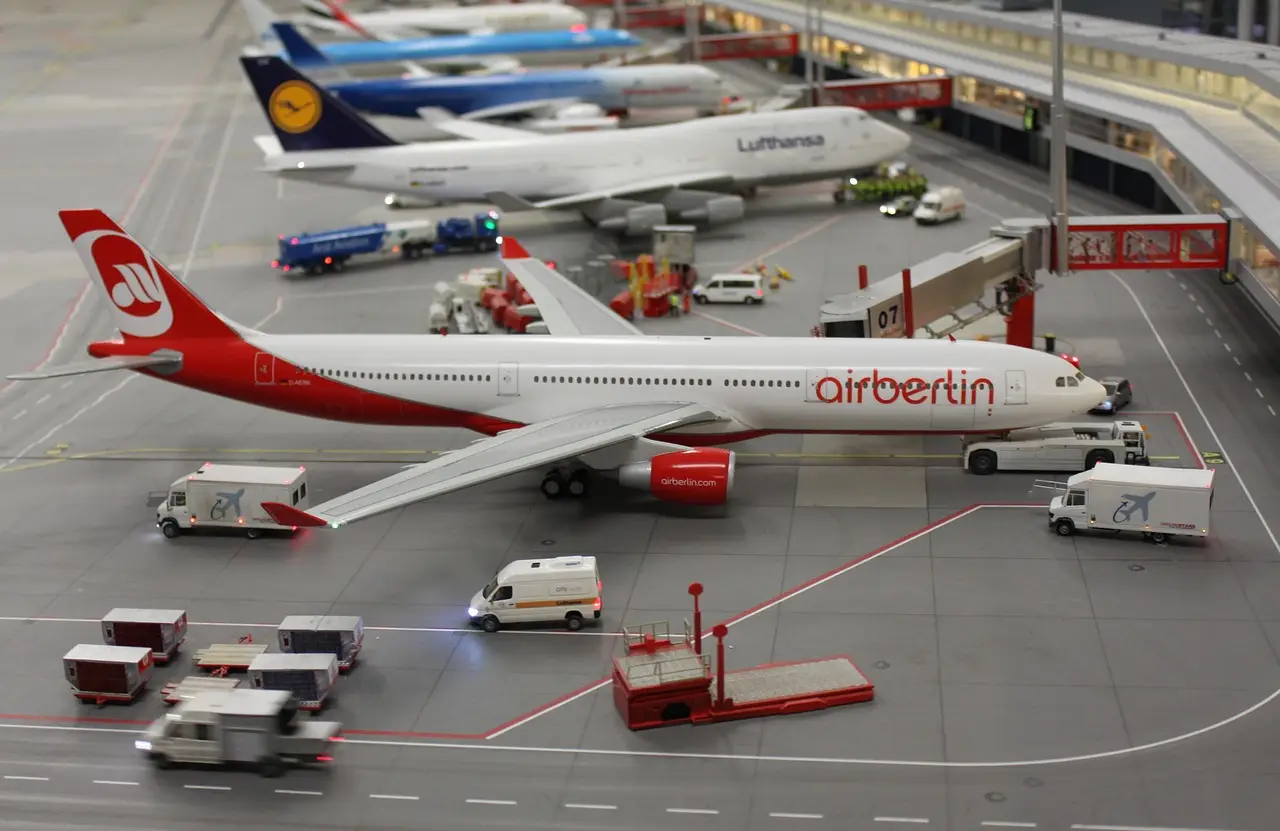
Toronto Pearson International Airport recorded 204 flight cancellations on Friday, November 13, after a nationwide US ground stop ordered by the Federal Aviation Administration halted departures across the United States and severed transborder operations at Canada's largest airports.
The grounding began on Friday when communications problems affecting US air traffic control facilities prompted the FAA to temporarily stop departures nationwide. American authorities lifted the restrictions on Friday evening, but Canadian airports and airlines spent the weekend absorbing cancelled flights, broken connections and aircraft positioned outside their normal rotations.
What did the disruption cost Canadian hubs?
FlightAware data cited by Canadian aviation publication PAX News shows Pearson logged 204 cancellations on November 13 alone, 152 of them involving flights to or from the United States. The backlog carried into Saturday: by 11:48 a.m. Eastern Time on November 14, another 92 flights had been cancelled at Pearson alongside 97 delays, with US services accounting for 62 cancellations and 33 of those delays.
The figures cover all recorded cancellations and delays during the reporting windows, not flights individually confirmed as disrupted by the FAA shutdown — a distinction that matters when separating the ground stop's direct cost from ordinary weekend variability.
During the initial grounding, Pearson temporarily suspended flights involving the United States while continuing to handle domestic and international services that did not require transit through US airspace. The airport increased staffing, deployed additional passenger assistance teams around US departure areas and introduced aircraft parking arrangements to manage congestion from delayed departures and disrupted arrivals.
How far did the disruption spread?
NAV CANADA, the private body responsible for Canadian civil air navigation services, imposed temporary traffic-management measures at Toronto Pearson, Montreal-Trudeau, Calgary International and Vancouver International. Montreal-Trudeau suspended US flights outright; Vancouver and Calgary saw schedule changes and delays. Further disruption was reported at Edmonton and Ottawa.
NAV CANADA confirmed its own air traffic control systems were operating normally throughout. The Canadian measures were a response to a US-origin problem, not a domestic failure — an important distinction for both regulators and passengers assessing liability.
NAV CANADA lifted its traffic-management measures shortly after 6 p.m. Eastern Time on Friday. Airlines kept working through the operational aftermath.
What did airlines do?
Air Canada suspended its remaining US flights on Friday evening, when the ground stop made normal operations impossible. The carrier also warned that some flights between Canada, the Caribbean and South America could be affected because their routes cross US-controlled airspace.
The airline issued temporary travel advisories for several Canadian airports and introduced flexible booking terms: eligible travelers could change reservations without the usual penalties, subject to each disruption policy's conditions and seat availability. WestJet and Porter Airlines likewise warned passengers of possible delays and cancellations while schedules recovered.
The episode illustrates a structural weakness in North American network planning. A technical failure in one country's infrastructure can strand international passengers even when their departure and arrival airports remain fully operational. Flights connecting through US hubs were especially exposed, because delayed aircraft and crews could not immediately return to planned rotations once the ground stop ended.
What are passengers entitled to?
Under Canada's Air Passenger Protection Regulations, passengers affected by cancellations or significant delays may have rights to rebooking, refunds and other assistance depending on circumstances. But an air traffic control disruption outside an airline's control does not automatically entitle passengers to financial compensation; obligations depend on the cause of disruption and the itinerary.
Practical guidance from the affected carriers is consistent: confirm flight status directly with the operating airline before leaving for the airport, monitor connecting as well as initial flights — particularly through busy US hubs — and review travel insurance for missed connections and accommodation costs.
The ground stop has ended, but its ripple effects across Canadian aviation show how quickly a single infrastructure fault can propagate through North America's interconnected air transport network.
via rustourismnews.com (Source)
More from Sophie Lindqvist
Show full bio
Senior reporter covering people, launches and day-to-day practice in Commercial aviation industry coverage at Flightdeck Report.
645 articles
Same bay
- FDR166FAA lifts nationwide ground stop after 6,000-flight cancellation surge · November 14, 2026
- FDR728US Airlines Cancel Over 1,300 Sunday Flights After FAA Ground Stop · November 16, 2026
- FDR203FAA Lifts Nationwide Ground Stop After Four-Hour Communications Failure · November 14, 2026
- FDR572Over 2,500 US Flights Cancelled After FAA Ground Stop Ends · November 14, 2026
- FDR490FAA Chief Says US Flights Back to Normal Sunday After Outage · November 15, 2026