Clearance CLR-8377 · AIR898
AIRFAA
AirportsClearance sheet
FAA Warns Probable Ground Stops at Houston Bush and Hobby Airports
FAA classifies ground stops at Houston Bush and Hobby as probable through 23:00 UTC on November 15 as thunderstorms threaten Texas, two days after a nationwide shutdown canceled more than 6,600 flights.
Read-back
- FAA classified ground stops at Houston Bush and Hobby as probable through 23:00 UTC (5 p.m. CST) on November 15, 2026
- More than 6,600 US flights were canceled on Saturday, November 14, after the November 13 nationwide ground stop
- The November 13 stoppage lasted more than four hours, with flights resuming shortly after 8 p.m. Eastern Time
- Austin-Bergstrom and San Antonio face possible restrictions; some Dallas-Fort Worth restrictions were removed from the updated plan
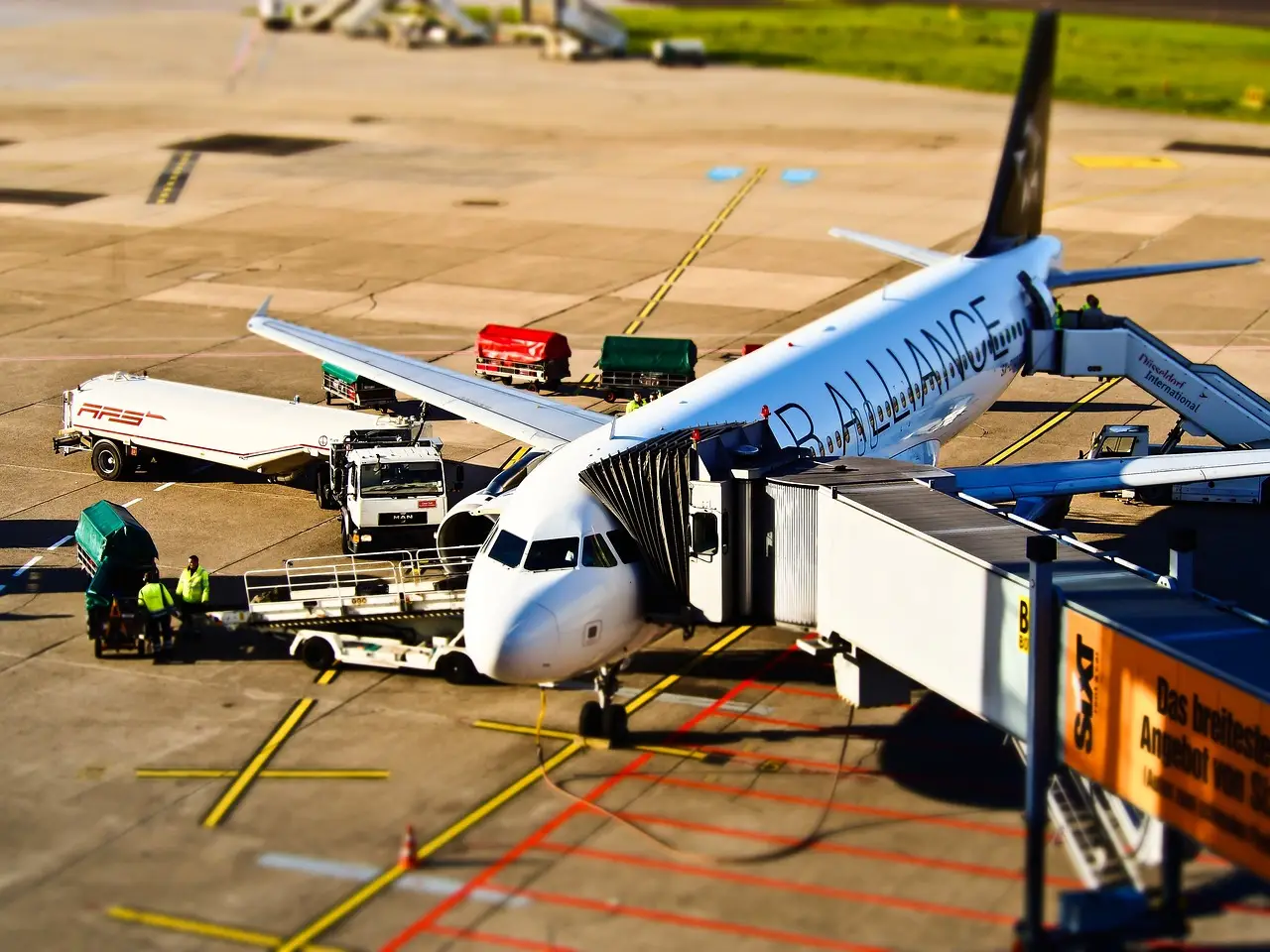
The Federal Aviation Administration has classified ground stops at Houston's two major airports as probable through 23:00 UTC (5 p.m. Central Standard Time) on November 15, 2026, as thunderstorms threaten air traffic across Texas. The advisory names George Bush Intercontinental Airport, a United Airlines hub, and William P. Hobby Airport, which carries heavy Southwest Airlines traffic, with possible additional restrictions at Austin-Bergstrom International and San Antonio International.
The warning is a forecast, not a confirmed suspension. The reviewed FAA advisory identified potential restrictions rather than active ground stops, and travelers should distinguish between the two. Ground stops are temporary air traffic control measures that prevent certain aircraft from departing for affected airports; they are typically imposed during thunderstorms, congestion or other operational problems.
Even when an airport remains open, restrictions on arriving aircraft can cascade across the network as flights hold at their origin airports awaiting departure clearance. For an operation like United's Houston hub, a multi-hour ground stop would strand aircraft and crews away from planned positions and propagate delays system-wide.
What does this change for the Thanksgiving recovery?
The timing is the story. The Texas weather threat arrives two days after a nationwide FAA ground stop ordered on Friday, November 13, following technical problems affecting communications and radar-related information systems. That stoppage ran more than four hours before flights resumed shortly after 8 p.m. Eastern Time. Airlines spent the weekend repositioning aircraft and flight crews stranded away from their scheduled destinations.
The cancellations were severe. More than 6,600 US flights were canceled on Saturday, November 14, according to flight-tracking data reported by the Associated Press. Sunday's cancellations remained substantial, though considerably lower, as carriers worked to restore schedules before the Thanksgiving travel period.
Additional thunderstorm restrictions in Houston would complicate that recovery, particularly for passengers connecting through United's Texas hub or flying Southwest services via Hobby. The FAA has drawn a clear line, however: the potential Houston restrictions stem from weather, not a recurrence of Friday's technical failure.
Which Texas airports face restrictions?
The FAA's Sunday operations plan outlined a tiered risk picture:
- Houston Bush Intercontinental and Hobby: ground stops classified as probable through 23:00 UTC.
- Austin-Bergstrom and San Antonio: additional restrictions classified as possible.
- Dallas-Fort Worth: included in earlier planning references, with some restrictions subsequently removed from the updated operations plan.
The Dallas revision illustrates how quickly air traffic management decisions shift as storms develop. Forecast conditions can change materially within hours, and a restriction lifted in one plan can return in the next.
Passengers connecting through Houston should monitor their itinerary even when weather is clear at their departure airport, because restrictions at a connecting hub affect flights across the country.
What should affected passengers do?
Travelers scheduled through Bush Intercontinental or Hobby should check flight status with their airline before leaving for the airport. United and Southwest publish current flight information through their websites and mobile applications. The FAA's National Airspace System Status website lists confirmed ground stops, ground delay programs (arrival-rate restrictions imposed to meter traffic into a congested airport) and other operational measures.
If an airline cancels a flight, passengers should review rebooking options and any applicable travel waiver before purchasing alternative transportation. Under US Department of Transportation rules, passengers generally qualify for a refund when the airline cancels a flight and they decline the alternative transportation offered.
With thunderstorms forecast over Texas while carriers continue recovering from the November 13 shutdown, the FAA's next operations updates will determine whether Houston's probable ground stops harden into confirmed departures suspensions during one of the year's heaviest travel windows.
via rustourismnews.com (Source)
More from Priya Raman
Show full bio
Market editor covering money, funding and market shifts around Commercial aviation industry coverage at Flightdeck Report.
627 articles
Same bay
- FDR438Thunderstorms Trigger FAA Ground Stops at Five Northeast US Airports · November 13, 2026
- FDR712FAA lifts nationwide ground stop after telecom failure strands US flights · November 14, 2026
- FDR175FAA Orders Nationwide US Ground Stop on November 13 · November 14, 2026
- FDR567Technical Failure at Regional ATC Center Triggers DFW, Love Field Delays · September 30, 2026
- FDR757FAA Orders First Nationwide Ground Stop Since January 2023 · November 14, 2026