Clearance CLR-3581 · SAF174
SAFAMA
Safety & OperationsClearance sheet
Amazon Cargo Crash Crew Were Unaware of Wind Conditions
Crew of the crashed Amazon freighter were unaware of wind conditions at the time of the accident, Reuters reports, putting weather-information flow on cargo flight decks under scrutiny.
Read-back
- Pilots of the crashed Amazon cargo aircraft were unaware of wind conditions at the time of the accident
- The finding raises questions about weather-data dissemination to cargo flight crews
- Amazon's air network operates through contracted carriers under separate operating certificates
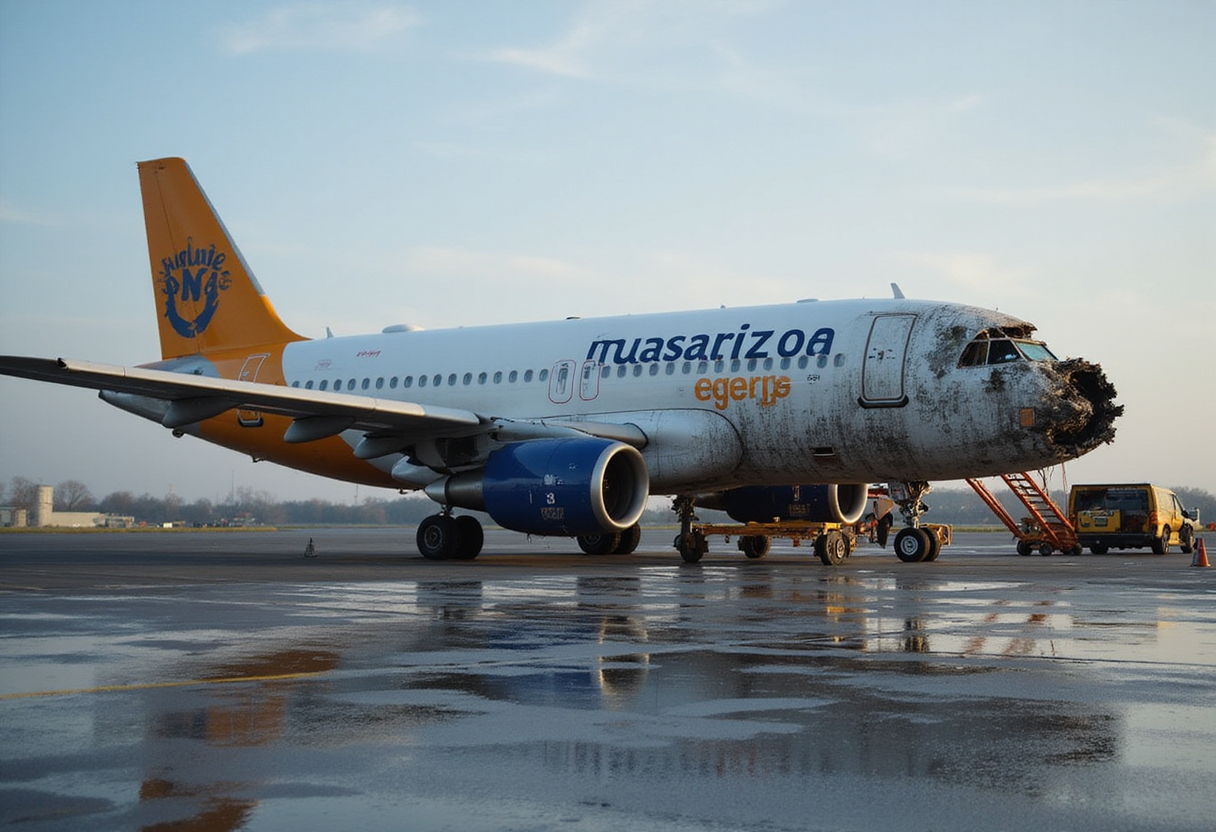
The pilots operating the Amazon cargo aircraft that crashed were unaware of the wind conditions at the time of the accident, according to findings reported by Reuters and carried by Investing.com.
The disclosure places the flight crew's weather awareness at the center of the accident sequence. Wind information — whether surface winds, gusts or windshear alerts — did not reach the pilots before the aircraft struck the ground, raising questions about how weather data flows to cargo flight decks operating under time-sensitive freight schedules.
Amazon's air network relies on contracted carriers flying feeder freighter operations across the United States, moving volume that has grown in step with the e-commerce company's delivery commitments. Those operations frequently use airfields with limited infrastructure, where weather reporting depends heavily on automated systems and the diligence of crews obtaining the latest observations before and during approach.
For a crew to be unaware of wind conditions on final approach suggests a breakdown somewhere along that chain: a missed or garbled automated observation, an incomplete briefing, a transmission failure, or an approach flown without current field information. Investigators will need to establish which link failed, and whether procedures, equipment or scheduling pressure contributed.
The stakes for operators are direct. Wind-related accidents on approach are among the most preventable categories in commercial aviation, and the standard defenses — current METARs, tower-reported winds, onboard wind displays and windshear warning systems — are layered specifically so that no single failure leaves a crew blind. When a crew arrives at the ground unaware of the wind, several of those layers have by definition been defeated or bypassed.
Cargo operators face a distinct exposure profile. Freighter flights frequently operate overnight into early-morning windows, when wind shifts around frontal passages and low-level wind shear are common and tower staffing may be reduced or absent. Crews in those conditions depend more heavily on self-briefing and automated sources than their passenger-sector counterparts, which makes the reliability of those sources an operational and regulatory question rather than an academic one.
The finding also carries consequences beyond the operator involved. Amazon's air logistics network has expanded through capacity contracts rather than direct ownership of aircraft or certificates, spreading flight operations across multiple carriers and aircraft types. Each of those carriers holds its own operating certificate and its own procedures for weather dissemination, and any systemic weakness in how crews receive wind information would need to be addressed carrier by carrier.
Regulators have pushed weather-information improvements repeatedly over the past two decades, from cockpit graphical weather displays to expanded windshear training requirements following earlier accident cycles. Whether existing mandates adequately cover the freighter segment — particularly high-utilization, short-cycle cargo feeders — is the kind of question this accident puts back on the table.
For now, the reported fact stands on its own: the crew did not know the wind conditions when their aircraft went down. The investigation's next task is to establish why, and the industry's will be to determine whether the same information gap exists elsewhere in the cargo network before another crew encounters it on approach.
via Google News: Air cargo (Source)
More from James Calloway
Show full bio
Staff writer covering industry trends and analytics at Flightdeck Report.
182 articles
Same bay
- FDR384Amazon Cargo Crew Unaware of Wind Conditions Before Crash · October 2, 2026
- FDR390Crashed Amazon Cargo Jet Crew Had No Wind Data Before Impact · October 2, 2026
- FDR962Victims Identified in Fatal Amazon Prime Air Cargo Crash · September 27, 2026
- FDR253NTSB: Late touchdown preceded fatal Amazon Air crash · October 2, 2026
- FDR734Amazon Air Crash Revives Pilot Complaints Against 21 Air · September 29, 2026