Clearance CLR-8243 · SAF720
SAFAVI
Safety & OperationsClearance sheet
Aviation safety rules rewritten: Twenty-four years of post-9/11 lessons
A Reuters compilation reviews the post-9/11 aircraft incidents that drove regulators to rewrite aviation's rulebook — from cockpit door retrofits to the 737 MAX redesign.
Read-back
- Colgan Air 3407 crash near Buffalo on February 12, 2009 killed 50 people and led to the Airline Safety and FAA Extension Act of 2010 with its 1,500-hour first officer rule
- Lion Air 610 and Ethiopian Airlines 302 crashes in 2018-2019 killed 346 people and triggered the longest commercial fleet grounding in aviation history
- Aircraft Certification, Safety, and Accountability Act of 2020 expanded FAA authority over organization designation authorization holders
- September 11, 2001 attacks led to creation of TSA in November 2001 and forced retrofit of reinforced cockpit doors across commercial fleets by 2003
- Germanwings Flight 9525 crash on March 24, 2015 prompted EASA to mandate two-person cockpit occupancy throughout all flight phases
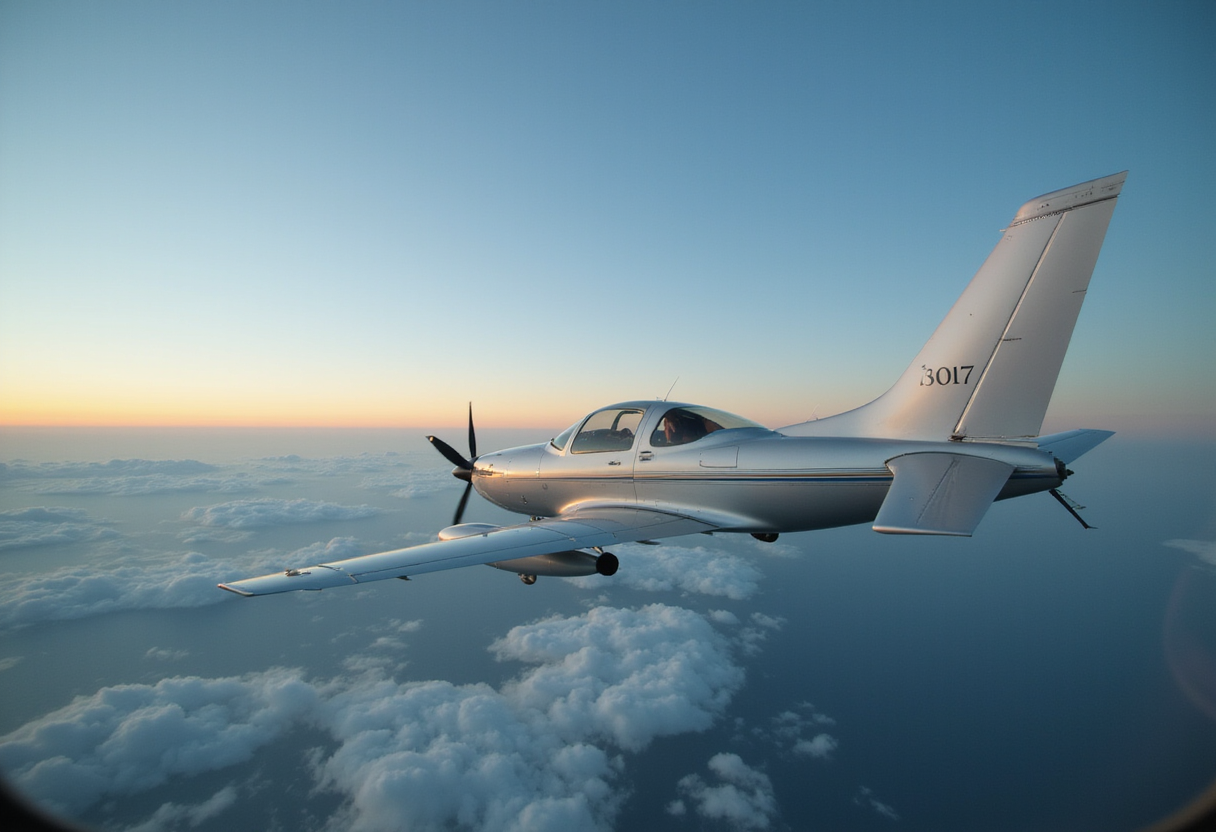
Reuters has compiled "Key aircraft incidents that reshaped aviation safety rules since 9/11," a catalogue of disasters from the September 11, 2001 attacks through the 737 MAX grounding that rewrote aviation's regulatory framework. Twenty-four years of rule changes followed each major accident in sequence, not in isolation.
What 9/11 itself changed
The four hijackings on September 11, 2001 remain the inflection point. The attacks created the Transportation Security Administration in November 2001 and forced the retrofit of reinforced cockpit doors across commercial fleets. By 2003, thousands of Boeing, Airbus, and McDonnell Douglas airliners carried hardened doors.
The 9/11 Commission Act of 2007 extended screening to air cargo on passenger flights. The same legislation formalized the current pilot certification framework, requiring a transport pilot certificate for airline operations.
Which accidents drove crew and training reforms
The Colgan Air 3407 crash near Buffalo on February 12, 2009 killed 50 people. The NTSB found the crew failed to recognize and recover from an aerodynamic stall. The result was the Airline Safety and FAA Extension Act of 2010, which set a 1,500-hour minimum for first officers at Part 121 carriers and mandated stall training.
Air France 447's loss over the Atlantic on June 1, 2009 killed 228. The 2010 BEA final report pointed to pilot confusion following pitot tube icing. New EASA and FAA guidance on unreliable airspeed followed, with revised pitot tube standards adopted across Airbus fleets.
What the Germanwings case changed
The deliberate crash of Germanwings Flight 9525 on March 24, 2015 by a depressed co-pilot pushed EASA to mandate two-person cockpit occupancy throughout all flight phases. The rule spread globally within months. Pilot mental health screening intensified, though implementation remains uneven across regulators.
What the 737 MAX disasters rewrote
Lion Air 610 on October 29, 2018 and Ethiopian Airlines 302 on March 10, 2019 killed 346 people. The FAA grounded the MAX in March 2019, the longest fleet grounding in commercial aviation history. The cause traced to the Maneuvering Characteristics Augmentation System, which repeatedly forced the nose down based on a single sensor input.
The Aircraft Certification, Safety, and Accountability Act of 2020 followed. It expanded FAA authority over organization designation authorization holders and tightened human factors analysis requirements. The MAX returned to service in late 2020 after MCAS redesign and pilot training updates.
What comes next
The Reuters compilation lands as the FAA faces renewed scrutiny over Boeing's production rates and certification oversight. The January 2024 Alaska Airlines 1282 mid-cabin door plug blowout on a 737 MAX 9 reopened questions about manufacturing quality and FAA surveillance.
Whether post-MAX reforms extend to autonomous flight systems, AI-assisted safety tools, and increasingly automated cockpits will define the next regulatory chapter. The pattern of the past 24 years — regulation following disaster — shows little sign of breaking.
via Google News: Aviation safety (Source)
More from Priya Raman
Same bay
- FDR462In-Flight Attack on FlyDubai Pilot Renews Security Scrutiny · October 2, 2026
- FDR802FlyDubai Cockpit Attack Prompts New Scrutiny of Flight Deck Security · October 2, 2026
- FDR549V George calls for stronger cockpit security, pilot re-verification · October 9, 2026
- FDR753Flydubai Incident Puts Cockpit Door Security Back Under Scrutiny · September 30, 2026
- FDR393Controller Shortage and Shutdowns Strain US Airspace Capacity · September 30, 2026