Clearance CLR-6332 · SAF367
SAFDEL
Safety & OperationsClearance sheet
Delta CRJ-900 returns to JFK after 20-minute smoke response
All 74 people aboard Endeavor Air's CRJ-900 were back on the ground at JFK within 20 minutes after the crew reported cabin smoke; the aircraft flew again within 24 hours.
Read-back
- Endeavor Air flight DL5015 returned to New York JFK with 74 people aboard on 14 November, about 20 minutes after takeoff.
- The crew stopped the climb at 5,000 feet after reporting smoke in the cabin; no source for the smoke had been identified.
- Firefighters inspected the CRJ-900, registration N919XJ, for around 30 minutes before it continued to the apron.
- Delta cancelled the Charleston-to-New York return rotation, and Flightradar24 data shows N919XJ operating a departure from JFK about 24 hours after landing.
- N919XJ was built at Bombardier's Montreal Mirabel plant in 2008, carries serial number 15163, and has flown for Endeavor Air since August 2013.
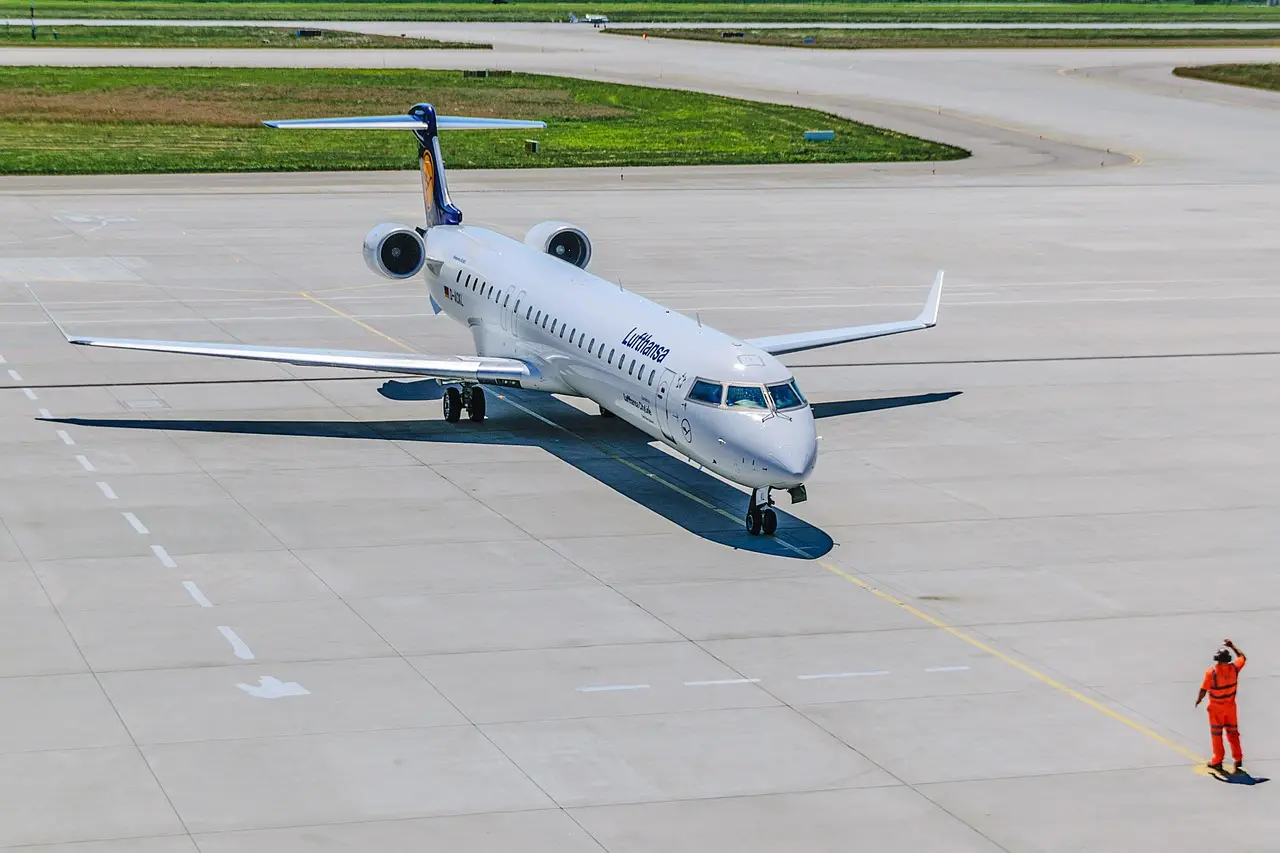
Seventy-four people were back on the ground at New York JFK within 20 minutes of takeoff on 14 November, after the crew of Endeavor Air's Bombardier CRJ-900 reported smoke in the cabin. The jet had been climbing out of runway 04L for Charleston, South Carolina, when it turned back. The latest available reports had not identified the source of the smoke, which remains the one unanswered question in an otherwise tidy sequence.
Endeavor Air operated the aircraft as Delta Connection flight DL5015, and Aviation Herald reported that the crew stopped the climb at 5,000 feet. The pilots donned their oxygen masks and told air traffic control they would probably stop on the runway after landing. That request is standard practice for crews expecting emergency crews to meet the aircraft on the pavement.
The CRJ-900, registration N919XJ, touched down on runway 04L about 20 minutes after departure. Instead of stopping on the runway, the crew vacated it and stopped clear for inspection by emergency services. Firefighters spent around 30 minutes checking the aircraft, after which it continued to the apron.
Delta then cancelled the return rotation from Charleston to New York, so passengers due to fly north that day needed alternative arrangements. One aircraft, one cancelled rotation and one set of displaced passengers, rather more concrete than the usual vocabulary of operational resilience.
The repair timetable proved shorter, at least initially. Flightradar24 playback and aircraft data show N919XJ airborne again about 24 hours after the landing, operating a Sunday morning departure from JFK. A quick return to the ramp evidences a swift initial check, not a diagnosis, and no maintenance finding has appeared in the available reporting.
What caused the smoke?
No report available at the time of writing identifies the source of the smoke, and the material contains no regulatory or investigator finding. The aircraft was flying again within 24 hours, but serviceability and cause are different questions, and only the first has an answer.
For Delta, that distinction carries operational weight. A confirmed fault would raise questions about inspection intervals across the CRJ-900 fleet, while an unexplained event leaves that exposure open. Neither conclusion is available yet, and the crew's report of smoke at 5,000 feet is the only technical finding on the public record.
Why the crew did not press on
Smoke aboard demands an immediate response, because even a minor electrical fault can escalate quickly. Crews rehearse the scenario in simulators, and the standard sequence places oxygen masks first, followed by clear communication with air traffic control and a prompt return to a suitable runway.
JFK sat minutes away, with long runways, full fire cover and the facilities of a major Delta hub. The proximity did the work: all 74 people were on the ground within 20 minutes of takeoff. A crew facing the same report over Charleston or anywhere else would have faced a different calculation.
An airframe with nearly 19 years of history
Bombardier built N919XJ at its Montreal Mirabel plant in Canada, according to Planespotters.net, and the airframe carries manufacturer serial number 15163. It first entered service with Mesaba Airlines in February 2008, flying for Northwest Airlink, then moved into the Delta Connection fleet in October 2008 following the Delta and Northwest merger.
Pinnacle Airlines took over the aircraft in January 2012, and Endeavor Air has flown it since August 2013; the jet retains fleet number 919. It seats 12 passengers in First Class and 64 in the main cabin, powered by two General Electric engines. That is nearly 19 years of service for a type that Delta still uses to feed its hub network, where a single 76-seat aircraft represents one rotation rather than a fleet-wide event.
What Delta and its passengers lost
The tangible cost sits in the schedule: one cancelled Charleston-to-New York return rotation and alternative arrangements for northbound passengers on 14 November. The CRJ-900 rejoined service the next morning, so the medium-term capacity effect looks limited by the evidence available.
What the available reporting does not establish is whether the event points to a wider maintenance or dispatch-reliability trend. No such pattern has been documented, and the aircraft's next few rotations will carry more information than the initial return to service did. The smoke question remains the one the crew raised at 5,000 feet, and the maintenance record should answer it.
via theaviationhub.co.uk (Source)
More from Grace Kim
Show full bio
News editor covering companies, deals and strategy in Commercial aviation industry coverage at Flightdeck Report.
640 articles
Same bay
- FDR268Southwest 737 Returns to Orlando After Departure Tyre Blowout · November 16, 2026
- FDR812United 737 MAX 9 Squawks 7500 After Cockpit Breach Attempt · November 10, 2026
- FDR772Nine Dead as Learjet 60 Lost With Icing Report Over Florida · November 2, 2026
- FDR262Nine Killed as Learjet 60 Dives Into Palm Beach County Neighborhood · November 2, 2026
- FDR395BA 777 returns to Heathrow after 27,000-foot emergency descent · October 9, 2026