Clearance CLR-2728 · SAF221
SAFFAA
Safety & OperationsClearance sheet
FAA Ground Stop Traced to Fiber Upgrade Error at Remote Facility
An L3Harris fiber upgrade at a remote FAA site with 2001-era routers grounded U.S. flights for four hours, delaying nearly 25,000 and cancelling over 9,000.
Read-back
- Friday's ground stop lasted about four hours, only the second nationwide stop since 9/11
- Nearly 25,000 flights were delayed and over 9,000 cancelled on Friday, per FlightAware
- The outage occurred during an L3Harris copper-to-fiber upgrade at a remote FAA facility with routers manufactured in 2001
- Airlines expect full schedule integrity by close of business Sunday, per FAA Administrator Bryan Bedford
- The last comparable event was the 2023 NOTAM system outage, caused by contract workers deleting files
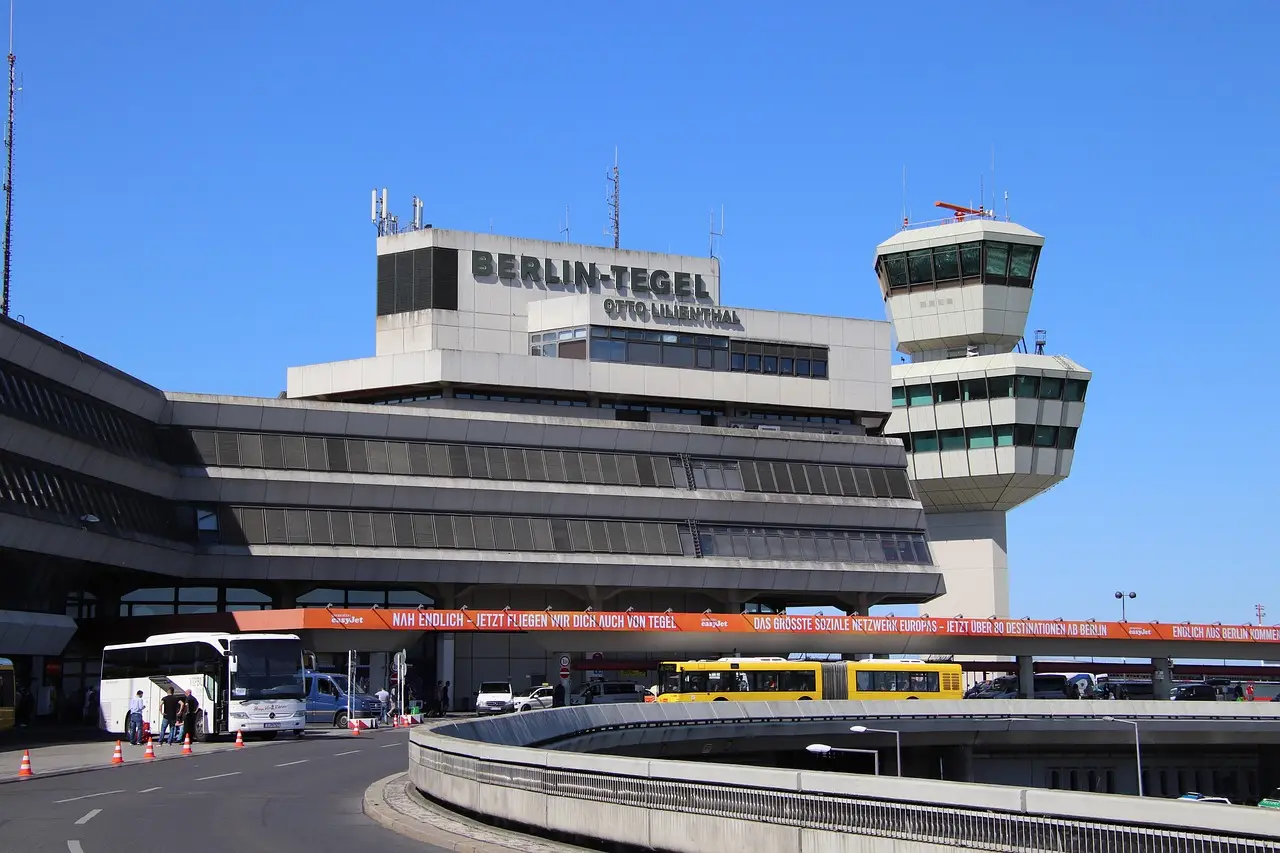
A contractor swapping copper telecommunication lines for fiber at a remote Federal Aviation Administration facility triggered Friday's nationwide ground stop — the second since the September 11, 2001 attacks and one of the largest disruptions to U.S. air travel in more than two decades.
Transportation Secretary Sean Duffy said Saturday that the error occurred while L3Harris, a long-time FAA contractor, performed routine maintenance changing copper wire to fiber. The routers in the affected facilities date from 2001, he said, and the mistake flooded other routers across the air traffic control system.
"Virtually every single institution in America has gone from copper to fiber, from analog to digital," Duffy said. "Just maybe the FAA is the last one to be doing this work because the investments haven't been made, but this is not complicated."
L3Harris did not immediately respond to a request for comment.
What caused the outage?
The FAA is still investigating the exact failure sequence. Duffy laid out the two working hypotheses: installer error by L3Harris or a faulty router supplied during the upgrade.
"It's pretty straightforward work that we were doing yesterday at, again, a very remote location," Duffy said. "So what we're working to determine was whether we had incompetence, meaning was it user error, installator error from L3Harris, or did they install a faulty router?"
FAA Administrator Bryan Bedford, who joined Duffy at the briefing, said there was no evidence of anything nefarious or AI-related. Homeland Security Secretary Markwayne Mullin, appearing alongside them in the White House briefing room, said there was no indication of an attack.
Duffy said Friday that air traffic control facilities had experienced "intermittent" outages of radar and communications systems beginning earlier in the afternoon, and he blamed "old switches, old routers" for the failures.
The speculation about AI reached Air Space Intelligence, the company behind the SMART system, an AI-enhanced software tool the FAA has recently begun rolling out as part of its air traffic control overhaul. The company moved quickly to distance itself from the disruption.
"The current ground stop is not based on or a result of the SMART system, any product of ASI or our integration with FAA and ATC," the company said on social media.
How bad was the disruption?
For about four hours on Friday, thousands of flights at U.S. airports were grounded. The scale, measured by flight-tracking data:
- Nearly 25,000 flights delayed on Friday, according to FlightAware
- More than 9,000 flights cancelled on Friday
- Over 4,000 additional cancellations recorded by Saturday morning
- 14% of departing U.S. flights affected, according to Cirium's aviation analytics data
Tens of thousands of passengers remained stranded Saturday. The system came back online and slowly returned to normal through Saturday morning, but Duffy warned that delays and cancellations would continue.
"Based on everything that we're hearing from our airline partners, they believe that they'll be able to have full schedule integrity by the close of business on Sunday," Bedford said.
Duffy, speaking to reporters Friday night, framed the recovery against the calendar: "I think we're going to be back up and operational as we come into the heat of travel during Thanksgiving."
What did passengers experience?
Flight boards across the country stayed riddled with red cancellation marks into Saturday morning. At Tampa International Airport, passengers in the main terminal before security curled up in chairs to sleep. At Ronald Reagan Washington National Airport on Friday night, a flight board showed dozens of flights delayed into the early morning hours or cancelled.
Erin and Jake Britt spent half the day at Reagan National on Friday. Their JetBlue flight to Fort Lauderdale boarded at 3 p.m. By 5:30 p.m. they were getting off the plane — still in Washington. They cancelled their weekend trip, then spent more than nine hours overnight on the JetBlue customer service line seeking reimbursement.
"I was setting alarms in 20 minute intervals in case I fell asleep," Erin Britt said.
She said neither the pilot nor flight attendants had more information than the passengers. "They seem just as in the dark," she said. "People being upset and asking like, 'Well, how are you not prepared for this?' And it was like, 'Well, no one was prepared.'"
Joe Romano and Maddie Cabana faced a cruise departing Orlando on Saturday afternoon. After their JetBlue flight was cancelled, they booked a Southwest flight and made it early Saturday morning. Suze DiPietro gave up on flying altogether; her husband drove roughly four hours from Ocean City, New Jersey to collect her in Washington, and the couple spent the night with friends. Other passengers switched to Amtrak — though even Amtrak's system suffered a brief outage Friday night.
Is this the first time?
This was only the second nationwide ground stop since September 11, 2001. The last came in 2023, when all U.S. airports shut down after an outage in the NOTAM — Notice to Air Missions — system that alerts pilots and airports to real-time hazards.
That outage raised fears of a cyberattack. The FAA later determined contract workers had inadvertently deleted critical files.
Both incidents share a pattern: routine contract work on aging infrastructure producing cascading national failure. With the FAA's modernization effort — copper-to-fiber conversions, the SMART rollout, and the wider air traffic control overhaul — still in its early stages, the investigation into L3Harris's install will likely shape how aggressively, and how carefully, the agency pushes the remaining upgrades through.
via feeds.npr.org (Source)
More from Nathan Brooks
Show full bio
Correspondent covering technology and product news in Commercial aviation industry coverage at Flightdeck Report.
646 articles
Same bay
- FDR408FAA Grounded All US Flights for 4½ Hours After Contractor Upgrade Failed · November 15, 2026
- FDR942Aging FAA Telecom Circuit Triggers 1,000-Plus Cancellations · October 1, 2026
- FDR322Over 6,400 US Flights Cancelled Saturday After FAA Ground Stop · November 15, 2026
- FDR526One Cut Cable, One Dead Circuit: FAA's 40-Year-Old Telecom Fails Again · September 30, 2026
- FDR490FAA Chief Says US Flights Back to Normal Sunday After Outage · November 15, 2026