Clearance CLR-7078 · AIR521
AIRFAA
AirportsClearance sheet
FAA ground stops delay 187 flights at San Francisco airport
By 10:30 a.m. on November 9, 187 flights at San Francisco International Airport were delayed and three canceled as the FAA imposed repeated ground stops in dense fog and low cloud.
Read-back
- Preliminary figures recorded 187 delayed flights and three cancellations by about 10:30 a.m. PT on November 9, 2026.
- Visibility at San Francisco International Airport fell to approximately 0.13 mile around 8 a.m.; the NWS warned of visibility as low as a quarter-mile.
- The first major ground stop began shortly before 8 a.m. and was lifted around 9:15 a.m.
- The FAA imposed another SFO-bound restriction around 10:28 a.m. and a further ground stop shortly before noon.
- Some affected arriving flights averaged approximately 63 minutes of delay.
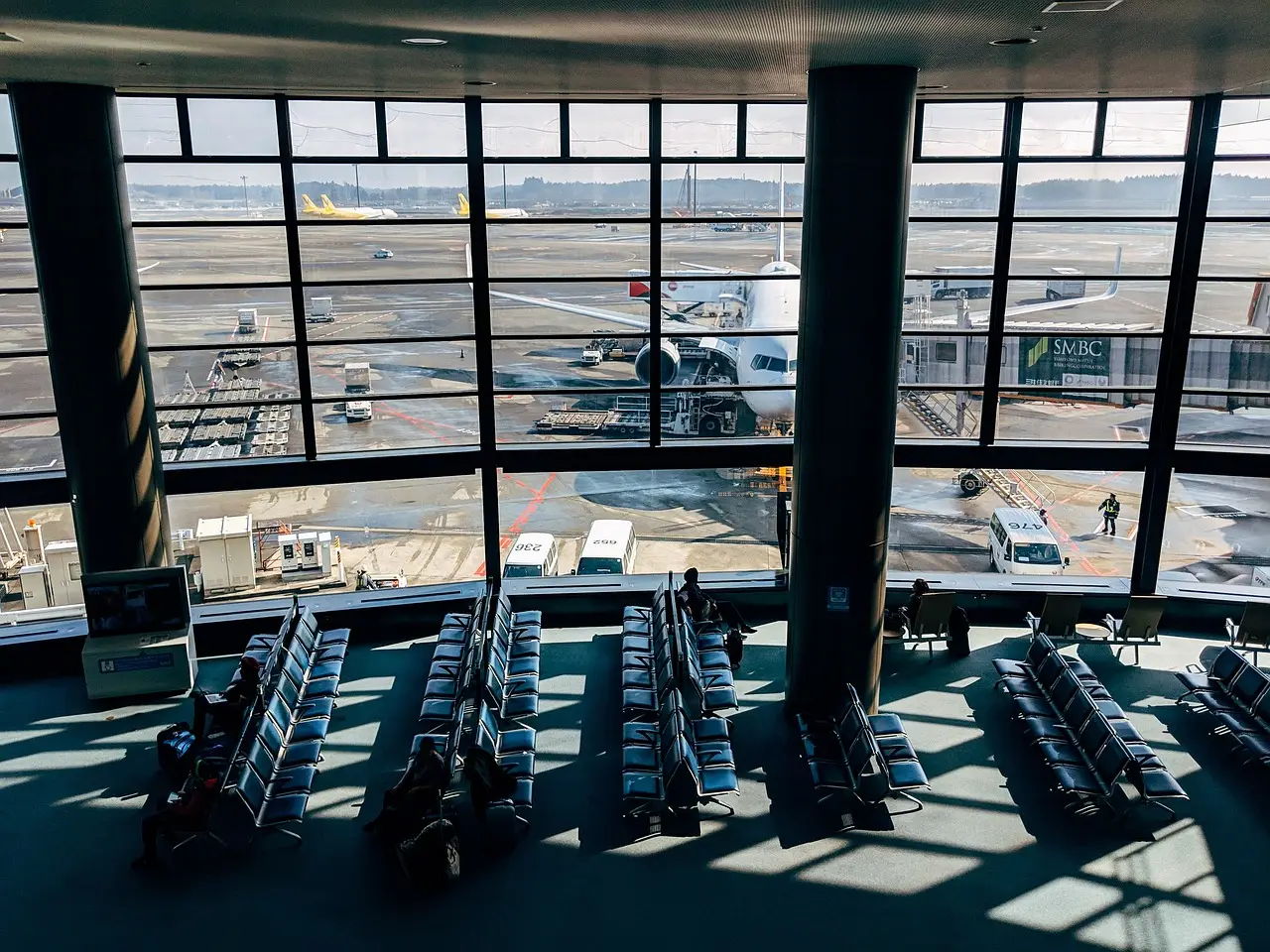
By 10:30 a.m. Pacific Time on Monday, November 9, 2026, 187 flights at San Francisco International Airport had been delayed and three canceled as dense fog and low clouds drove repeated FAA ground stops. The figures captured the disruption by late morning and did not include whatever unfolded on the evening schedule.
At around 8 a.m., visibility at the airport had fallen to approximately 0.13 miles, according to local reporting. That reading captured the worst of the surface restriction around San Francisco Bay. The San Francisco Chronicle reported that visibility improved later, but lower cloud ceilings continued to constrain operations.
The first major ground stop began shortly before 8 a.m., based on FAA traffic-management information and local reporting. The agency temporarily held departures bound for San Francisco, limiting the flow of aircraft into an airport already operating in poor visibility.
The restriction lifted around 9:15 a.m., but the FAA kept a ground delay program in place to meter arrivals. Another restriction affecting SFO-bound traffic followed around 10:28 a.m., and a further ground stop came shortly before noon as low ceilings persisted. Across the disruption, some arriving flights took an average of about 63 minutes longer, although individual delays varied considerably.
What did the FAA restrict?
Ground stops are temporary air-traffic-management measures, not a declaration that San Francisco International Airport had closed. The FAA identified low ceilings and reduced visibility as the main reasons for holding traffic. Its actions targeted arrival capacity rather than the airport’s physical ability to operate.
The restrictions reached beyond the airport. The FAA held selected departures at other US airports before those aircraft could begin their journeys to San Francisco. A traveler could therefore encounter a delay at a clear origin airport because the destination’s airspace could not absorb the scheduled flow.
The schedule effects also continued downstream. When an aircraft reached San Francisco late, it could disrupt the aircraft’s later departure, and a missed connection could leave passengers waiting for another flight. The practical cost was schedule displacement rather than a shutdown: aircraft, crews and passengers lost time while fewer arrivals could be accepted safely.
How did fog limit airport capacity?
The National Weather Service issued a dense fog advisory for San Francisco and the bay shoreline, warning that visibility could fall as low as a quarter of a mile in affected areas. At 0.13 miles, the airport reading sat below that advisory threshold.
Reduced visibility requires additional spacing between aircraft and the use of low-visibility operating procedures. Those measures reduce the number of aircraft an airport can handle in a given period, so the FAA reduced the arrival flow while visibility remained poor.
San Francisco International Airport’s position beside San Francisco Bay makes it particularly susceptible to coastal fog. Surface visibility improved, yet low ceilings remained the limiting factor; a clearer horizon did not immediately restore the earlier flight rate.
What does the disruption mean for passengers?
Passengers departing elsewhere for San Francisco could still face delays when their origin airport had clear weather. The FAA’s authority to hold aircraft before departure gave it a way to prevent excessive congestion around the destination, even when the disruption began hundreds of miles away.
That arrangement also pushes delays through the wider network. An aircraft held at an origin airport reaches San Francisco late, its subsequent rotation slips, and connecting passengers may miss later flights. The result is not a complete airport closure, but a lower usable arrival rate followed by a longer recovery once the weather improves.
Passengers should check flight-specific information directly with their airline and allow additional time when connecting through San Francisco. The 187 delays and three cancellations remained provisional rather than final totals for November 9. FAA traffic-management records confirm that restrictions continued during the day, but their status and associated delays changed as conditions evolved.
The next checkpoint is the evening flight schedule: further holds, cancellations or missed connections will show whether improving visibility has restored capacity.
via rustourismnews.com (Source)
More from Nathan Brooks
Show full bio
Correspondent covering technology and product news in Commercial aviation industry coverage at Flightdeck Report.
620 articles
Same bay
- FDR369Fleet Week Air Show Triggered Hundreds of Delays at SFO · October 12, 2026
- FDR775Aging ATC Infrastructure Blamed for Stranding, Delaying California Travelers · September 26, 2026
- FDR771California Travelers Stranded by Aging Air Traffic Control Infrastructure · September 30, 2026
- FDR825Airspace Shutdown Delays Nearly 300 Flights at Boston Logan · October 10, 2026
- FDR351Court rejects challenge to Oakland airport expansion plan · October 10, 2026