Clearance CLR-1418 · SAF239
SAFFLE
Safety & OperationsClearance sheet
Fleet Age and Safety: What Newer Aircraft Actually Deliver
A Stacker analysis examines whether airline fleet age delivers measurable safety gains, as delivery backlogs force carriers to keep older jets flying longer than planned.
Read-back
- Stacker analysis titled "The new plane advantage: Safety implications of airline fleet age" examines the safety case for younger fleets
- Fleet age intersects with airframe generation, maintenance burden, inspection regimes, and regulatory aging-aircraft requirements
- OEM delivery backlogs and delays have extended retirements and pushed average fleet age upward industry-wide
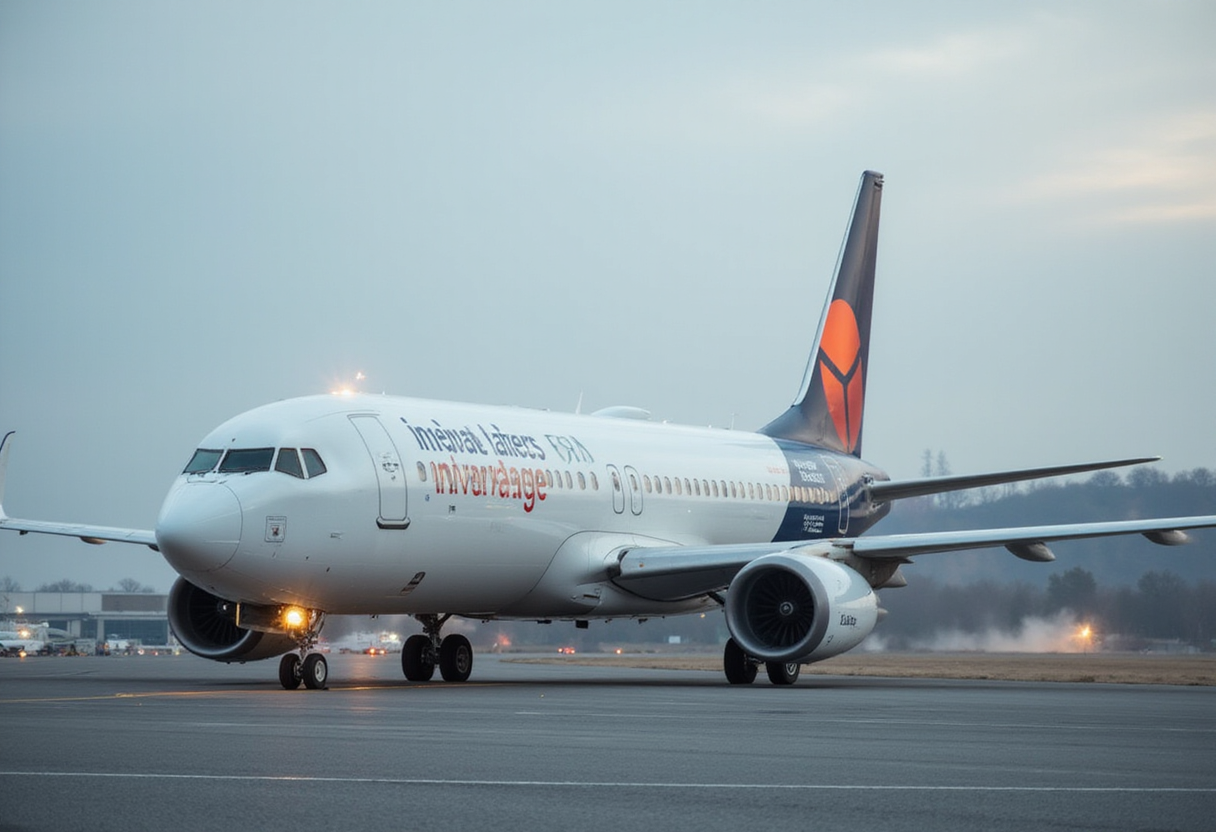
A new analysis from Stacker, titled "The new plane advantage: Safety implications of airline fleet age," examines one of the industry's most persistent questions: does flying a younger fleet produce a demonstrably safer operation, or is age a proxy for other factors?
The question matters now more than it has in a decade. Delivery backlogs at Airbus and Boeing, production quality problems on the 737 MAX and 787 lines, and certification delays across the narrowbody and widebody segments have forced carriers worldwide to hold older aircraft in service longer than fleet plans anticipated. Retirement schedules slipped. Lease extensions multiplied. The average age of jets in service has crept upward, and airline planners have had to weigh the cost of keeping aging metal flying against the scarcity and price of newbuild slots.
The Stacker analysis addresses the safety dimension of that trade-off directly. Its central framing — that newer aircraft carry an advantage — invites scrutiny of what, precisely, that advantage consists of. Fleet age intersects with several safety-relevant variables that the analysis engages: the generation of airframe technology, the maturity of systems installed on the aircraft, the maintenance burden that accumulates with cycles and flight hours, and the regulatory inspection regimes that tighten as airframes age.
That last point carries particular operational weight. Aging-aircraft programs, structural inspection requirements, and fatigue-life limits exist precisely because regulators and OEMs learned — through hard experience decades ago — that airframes degrade in ways that routine line maintenance does not always surface. Carriers flying older types absorb heavier inspection schedules, more time in heavy checks, and greater exposure to fatigue-related findings. Newer-generation aircraft, by contrast, enter service with modern design standards, updated flight-deck automation, and, in recent types, airframe health monitoring built in from day one.
The counterargument, which any rigorous treatment of fleet age must confront, is that maintenance quality and operator culture historically outweigh calendar age as predictors of safety outcomes. Some of the industry's most reliable operators fly mature fleets maintained to exacting standards. The relevant question is not age alone but the interaction between age, utilization, maintenance program depth, and the availability of parts and engineering support for out-of-production types.
The economic consequences run parallel to the safety ones. Older aircraft burn more fuel per seat, cost more to maintain per block hour, and face rising pressure under emissions regulations in Europe and elsewhere. When new aircraft are scarce, the safety and cost cases for fleet renewal converge — and both get harder to act on.
For the analysis itself, the useful test is whether it separates correlation from causation: younger fleets tend to belong to better-capitalized carriers with stronger training budgets and newer maintenance programs, and disentangling the airframe's contribution from the operator's is the hard part. Stacker's treatment of the "new plane advantage" sits squarely in that evidentiary problem.
The stakes of the question will only grow. With OEM output still trailing pre-pandium targets and backlogs stretching deep into the decade, average fleet age is likely to keep rising before it falls — making the safety implications of flying older aircraft a live operational and regulatory issue for years to come.
via Google News: Aircraft orders and fleets (Source)
More from Priya Raman
Same bay
- FDR576Fleet Age and Safety: What Newer Aircraft Mean for Airlines · September 30, 2026
- FDR883South Africa's Airline Fleet Is Ageing — and Maintenance Is the Metric That Counts · September 28, 2026
- FDR590Boeing exec: regional aviation safety must keep pace with growth · September 27, 2026
- FDR260Carrier Crosses the 100-Aircraft Fleet Threshold · September 30, 2026
- FDR268Iran Conflict, Higher Oil Prices Could Accelerate Airline Fleet Renewals · September 28, 2026