Clearance CLR-5565 · AIR574
AIRFRE
AirportsClearance sheet
Fresno Unveils What It Calls Largest FAT Expansion Ever; Details Pending
The City of Fresno has unveiled what it describes as the largest airport expansion in the history of Fresno Yosemite International Airport (FAT), though scope, cost and timeline details have not yet appeared in the materials released to date.
Read-back
- City of Fresno has unveiled what it calls the largest airport expansion in FAT history
- Fresno Yosemite International Airport serves the Central Valley and the Yosemite/ Sequoia/ Kings Canyon tourism corridor
- Detailed scope, cost and timeline figures have not been released in the materials made public
- The announcement does not identify contractors, funding sources or specific capital projects
- FAT is identified by IATA code FAT and ICAO code KFAT
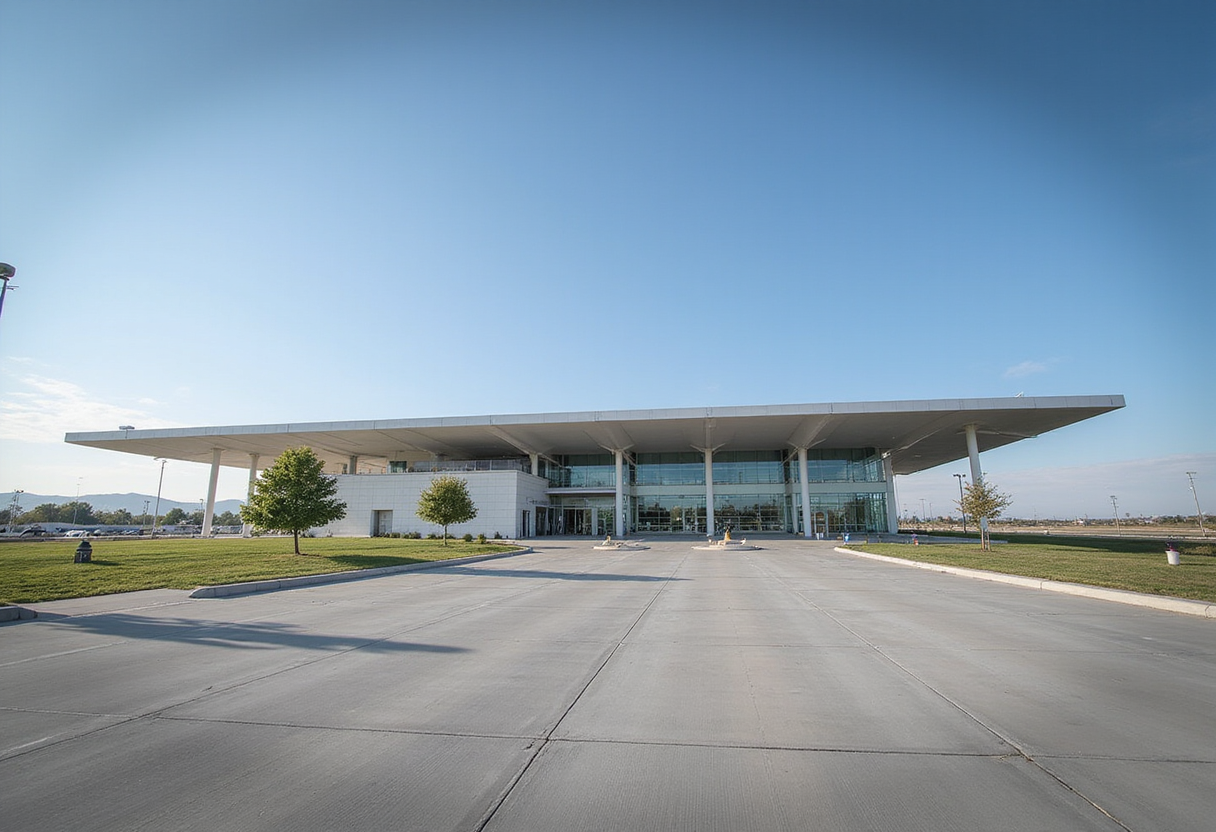
The City of Fresno has unveiled what it describes as the largest airport expansion in the history of Fresno Yosemite International Airport (FAT), though concrete scope, cost and schedule figures have not yet appeared in the materials released to date.
The announcement, distributed through the city's official channels, marks a milestone for the Central Valley gateway, which serves Fresno, the surrounding agricultural region, and the drive-market corridor into Yosemite, Sequoia and Kings Canyon national parks. The city frames the program as a generational investment rather than a near-term refresh.
What the city has actually said
The headline phrasing — "largest airport expansion in history" — sets the rhetorical anchor. The City of Fresno attributes that characterization to the scale of planned work at FAT, but the announcement does not enumerate specific terminal expansions, runway extensions, apron additions, cargo facilities or landside improvements.
It also does not name the architect, program manager, contractor or funding source.
In effect, the city has staked out a claim and is asking observers to take the magnitude on faith pending the release of capital-plan documents.
What to watch for in the next release
Industry observers should look for several specific disclosures in the coming months:
- Total program cost and phasing
- Funding mix, including FAA Airport Improvement Program grants, airport revenue bonds and passenger facility charges
- Terminal square-footage additions and net new gate counts
- Apron and taxiway capacity changes, including any FAA airspace review implications
- Cargo handling facilities
- Ground-access, parking and rental-car work
- Construction milestones and target completion dates
Why FAT matters in the West Coast network
Fresno Yosemite International sits between the Bay Area and the Los Angeles basin, serving as the closest commercial gateway for much of the San Joaquin Valley. Scheduled operators connect the airport to long-haul hubs; low-cost carriers use it as a focus city for inland leisure demand.
The airport has been cited in regional planning documents as gate-constrained during peak morning and evening banks. Any expansion that adds gates, apron space or terminal processing capacity directly affects the airport's ability to add frequencies and accommodate larger aircraft on existing routes.
What does "largest in history" actually benchmark against?
City claims of "largest ever" carry weight only when measured against prior capex cycles. For FAT, the relevant comparison set includes earlier terminal renovations, runway rehabilitations, and FAA-funded safety enhancements. The city's framing implies the new program exceeds the combined scope of those prior investments.
Independent verification requires published cost figures and an itemized scope. Until then, the "largest in history" label functions as a political and promotional anchor rather than a quantified benchmark.
What changes for airlines
For carriers serving the Central Valley, the operational questions are simple. When does new capacity come online? At what cost per enplaned passenger? Will the expansion unlock new city pairs or simply relieve peak-hour congestion on existing routes?
Those answers will determine whether FAT can convert expansion ambition into additional frequencies and new nonstop destinations.
The road ahead
Expect the city to publish a project dashboard, renderings and a capital plan in the coming months. Airport directors typically brief their boards of commissioners before any groundbreaking, and FAA review of airfield geometry changes runs on its own timeline.
For now, the city has set the headline. The follow-up disclosures will determine whether the program matches the framing.
via Google News: Airport expansion (Source)
More from James Calloway
Show full bio
Staff writer covering industry trends and analytics at Flightdeck Report.
385 articles
Same bay
- FDR777Ontario Airport Proposes New Terminal and Six-Story Garage · October 8, 2026
- FDR544Boise Airport Launches BOI Upgrade, Planning Up to 10 New Gates · September 27, 2026
- FDR820Sacramento International Closes Terminal B Roads for Walkway Work · September 30, 2026
- FDR625US Airport Expansion Programs Target Capacity Constraints · September 26, 2026
- FDR417Delta Targets No. 1 Ranking at LAX With New Routes and Added Flights · October 10, 2026