Clearance CLR-2028 · SUS183
SUSICA
SustainabilityClearance sheet
ICAO Plans Quarter of the Permits Airlines Need for CORSIA Phase Two
ICAO plans to issue about a quarter of the 200 million metric tons of CORSIA permits airlines need, delegates at COP31 in Antalya heard, as phase two nears its January 2028 launch.
Read-back
- CORSIA phase two, requiring airlines to buy pollution permits, launches in January 2028
- Airlines need an estimated 200 million metric tons of permits; ICAO plans to issue about a quarter
- Permits could cost $12–13 per ton of CO2, mirroring the UK carbon market
- Phase one voluntary reporting began January 2024 with roughly 130 countries signed up
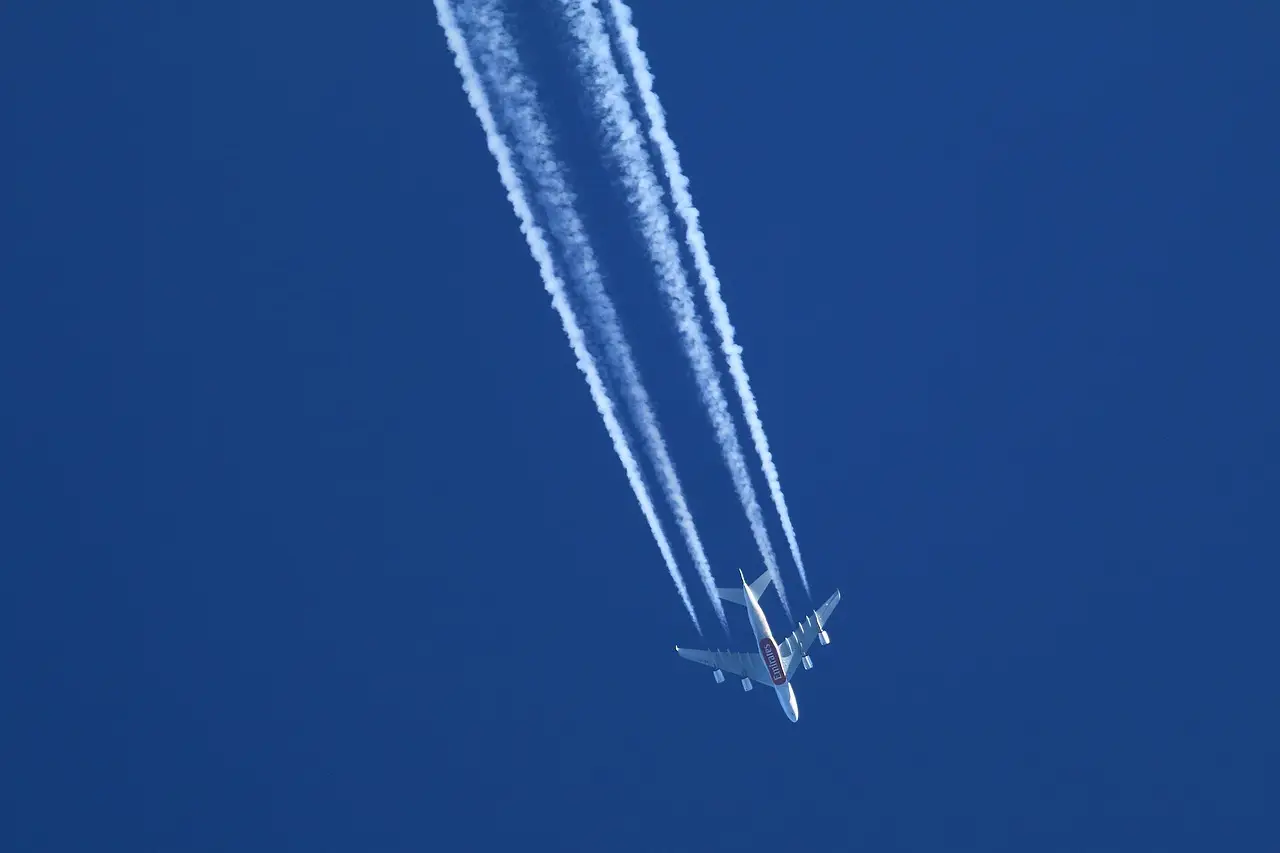
Airlines signed up to ICAO's CORSIA scheme may need 200 million metric tons of pollution permits to keep operating at current levels — but ICAO reportedly plans to issue only about a quarter of that amount. The gap sits at the centre of the Carbon Offsetting and Reduction Scheme for International Aviation (CORSIA), whose mandatory second phase launches in January 2028. Dignitaries at the UN's COP31 climate conference in Antalya, Turkey, have now questioned whether the scheme can work in practice.
What are pollution permits?
A pollution permit is a legal licence granting its owner the right to release greenhouse gases into the atmosphere. Regulators issue a limited number of permits, creating a market-based alternative to carbon taxation and pushing companies — including airlines — to cut their emissions.
The mechanism is already established outside aviation. The UK runs its own emissions trading scheme, and every EU member state participates in the EU Emissions Trading Scheme. CORSIA extends the model to international aviation under the International Civil Aviation Organisation (ICAO), the UN body that sets global aviation standards.
How the scheme is being phased in
Phase one of CORSIA launched in January 2024 with voluntary reporting of carbon emissions. Roughly 130 countries are signed up. Its purpose was practical: the reported data would let ICAO determine how many pollution permits to issue at the start of 2028, when airlines from member states must buy permits to legally cover their greenhouse gas output.
That calculation now looks problematic. Chris Leeds, Head of Carbon Market Development at Standard Chartered bank, estimates that airlines from member nations will require 200 million metric tons of permits to continue operating at current levels. Reports from COP31 indicate ICAO intends to provide roughly a quarter of that figure — around 50 million tons.
What does the shortage change for airlines?
Scarce permits mean higher prices and direct cost consequences for carriers. If CORSIA permit prices track the UK carbon permit market, they could settle between $12 and $13 per ton of carbon dioxide emitted. For an airline emitting at scale, that converts into a recurring compliance cost on top of fuel and maintenance.
The distribution question is equally sharp. Delegates at COP31 have raised concerns that permit scarcity and pricing could exclude smaller airlines and poorer nations from the market, concentrating the compliance burden on carriers and states with the least financial headroom.
Walton Webson, Antigua and Barbuda's UN Ambassador, framed the stakes bluntly: "this is going to be a true test of if we could make real progress."
ICAO holds the line
Despite the criticism, an ICAO spokesperson told COP31 that the implementation of CORSIA remains on track. The organisation has not publicly revised either the January 2028 start date or its permit issuance plans in response to the Antalya discussions.
What happens between now and 2028 will determine whether the permit supply gap forces airlines to buy at inflated prices, curtail growth, or lobby member states for a larger allocation. With 130 countries and thousands of international flights covered, the size of that first permit issuance will shape aviation's carbon costs for years to come.
via travelradar.aero (Source)
More from Sophie Lindqvist
Show full bio
Senior reporter covering people, launches and day-to-day practice in Commercial aviation industry coverage at Flightdeck Report.
621 articles
Same bay
- FDR591CORSIA Phase 1 supply squeeze traced to authorisation, not ambition · October 10, 2026
- FDR212Africa Leads 68% of CORSIA-Eligible Projects and Programmes · November 2, 2026
- FDR550Regulators Turn to Data Centres, Power Plants and SAF · September 30, 2026
- FDR337328 European Airports Now Hold Net-Zero Roadmaps as ACI Europe Widens Strategy · October 9, 2026
- FDR404Zimbabwe Receives ICAO Study on Sustainable Aviation Fuel · October 15, 2026