Clearance CLR-7022 · SAF989
SAFNTS
Safety & OperationsClearance sheet
NTSB Finds Evidence of In-Flight Breakup Before Florida Learjet 60 Crash
NTSB investigators say a Learjet 60 that crashed near West Palm Beach on November 1, killing nine, shed components in flight before descending at 20,000ft/min.
Read-back
- A Learjet 60 crashed near West Palm Beach, Florida, on November 1, 2026, killing all nine aboard.
- NTSB evidence indicates the aircraft broke up in flight before impact; descent rates reached 20,000ft/min.
- The Part 135 charter, operated by Aurora Aviation dba Upper Jets, departed Austin at 09:37 for the Bahamas.
- About 20 NTSB investigators are on site; the cockpit voice recorder has not been recovered.
- The crew reported light clear ice and moderate turbulence at 35,000ft roughly four minutes before the crash.
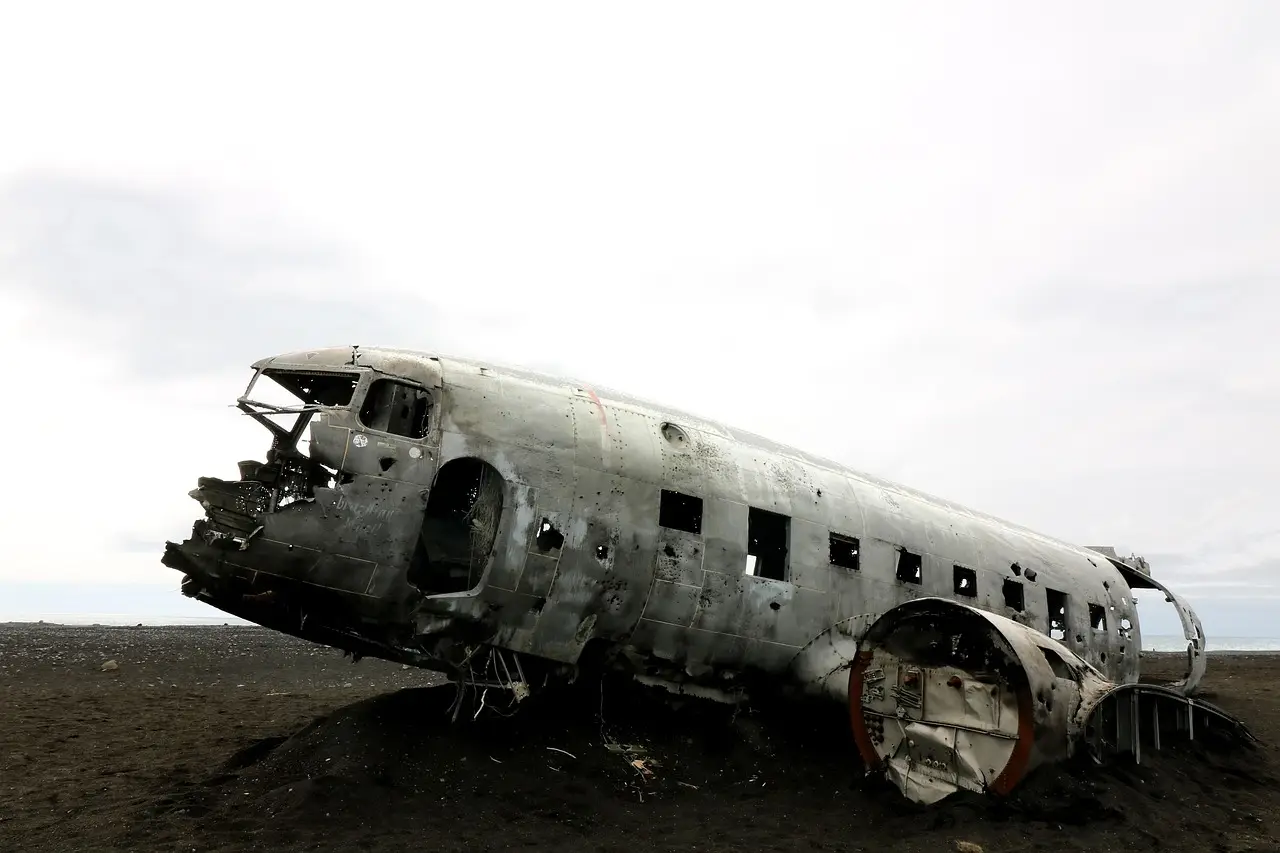
All nine people aboard a Learjet 60 died when the aircraft crashed near West Palm Beach, Florida, on November 1, 2026, and investigators now say components may have separated from the jet before impact.
At a November 2 media briefing, NTSB Board Member Tom Chapman confirmed investigators have physical evidence pointing to a break-up in flight. "We do have some evidence that there was some breakup of the aircraft before impact," Chapman said. "We're still seeking to determine that."
Asked directly whether the horizontal stabilizer had separated, Chapman declined to identify which components might have come off. The evidence remains preliminary. The implications, however, are considerable for the inquiry.
What happened on the flight?
The aircraft was operated by Aurora Aviation, doing business as Upper Jets, under a Part 135 charter certificate. It departed Austin-Bergstrom International Airport at 09:37 local time, bound for North Eleuthera Airport in the Bahamas with two pilots and seven passengers aboard.
The jet crashed at approximately 12:51 local time. One man in a vehicle on the ground suffered a leg injury, according to Chapman.
The timeline from cruise to impact spans roughly four minutes, based on the crew's communications with Miami Air Route Traffic Control Center.
At approximately 12:47 local time, a female pilot reported light clear ice that was manageable, together with moderate turbulence. The aircraft was at 35,000 feet. The crew reported altitude deviations of about 700 feet and an outside air temperature of -47 degrees Celsius.
Soon afterward, the crew reported encountering precipitation and requested a climb to 37,000 feet. Controllers approved it. Less than 30 seconds later, the female pilot reported the aircraft was descending. A mayday call followed, with reported descent rates reaching 20,000 feet per minute — a figure far beyond any controlled descent.
Investigators have not yet determined which of the two pilots was flying the aircraft at the time.
What will the investigation examine?
Chapman and investigator-in-charge Timothy Monville said the inquiry will review weather conditions along the route and the crew's ATC communications. The NTSB has not confirmed whether the Learjet flew through an active thunderstorm.
A team of about 20 NTSB investigators began arriving on the Sunday night following the crash, with additional personnel arriving Monday. The investigation will include:
- A review of the aircraft's service history
- An examination of whether similar accidents have involved other Learjet 60s
- A search for components that may have separated before impact
Recovery work faces significant obstacles. The aircraft struck the ground at high speed in a nearly vertical descent, and water filling the impact crater is hampering access to the wreckage, Chapman said.
The aircraft was listed as carrying a cockpit voice recorder, which investigators had not yet recovered as of the briefing.
Although the debris field identified so far is small, the evidence of a possible in-flight breakup means investigators may need to expand the search well beyond the main impact site. That expands both the timeline and the cost of the wreckage recovery operation.
Officials are also working to restore access for about 600 nearby residents displaced from their homes, Chapman said, so they can return as soon as possible.
Whether the breakup caused the loss of control or resulted from it remains the central unanswered question, and the answer will shape any airworthiness consequences for the Learjet 60 fleet.
via AeroTime (Source)
More from Grace Kim
Show full bio
News editor covering companies, deals and strategy in Commercial aviation industry coverage at Flightdeck Report.
561 articles
Same bay
- FDR262Nine Killed as Learjet 60 Dives Into Palm Beach County Neighborhood · November 2, 2026
- FDR772Nine Dead as Learjet 60 Lost With Icing Report Over Florida · November 2, 2026
- FDR869Amazon suspends 21 Air after freighter overruns Miami runway · October 9, 2026
- FDR626Senate Aviation Panel Convenes June 23 After Fatal Crash Cluster · September 30, 2026
- FDR620Cockpit recorder shows Amazon Air crew called go-around seconds before fatal Miami overrun · September 30, 2026