Clearance CLR-3941 · SAF934
SAFUPS
Safety & OperationsClearance sheet
UPS 767 freighter grounded in Miami after Copa 737 wingtip strike
A Copa 737-800 struck a UPS 767 freighter's nose while taxiing at Miami, grounding the jet at peak season. The NTSB has opened an investigation into the collision.
Read-back
- Copa Flight 427, a 737-800 with 166 passengers, struck the UPS 767-300 freighter's nose with its left wingtip at Miami on Saturday night.
- The UPS jet was preparing to depart for Bogotá; the FAA says controllers had told the UPS crew to give way.
- The NTSB has opened an investigation; UPS has not disclosed the out-of-service period.
- The collision came two months after a 21 Air-operated Amazon 767 overran a Miami runway, killing five people.
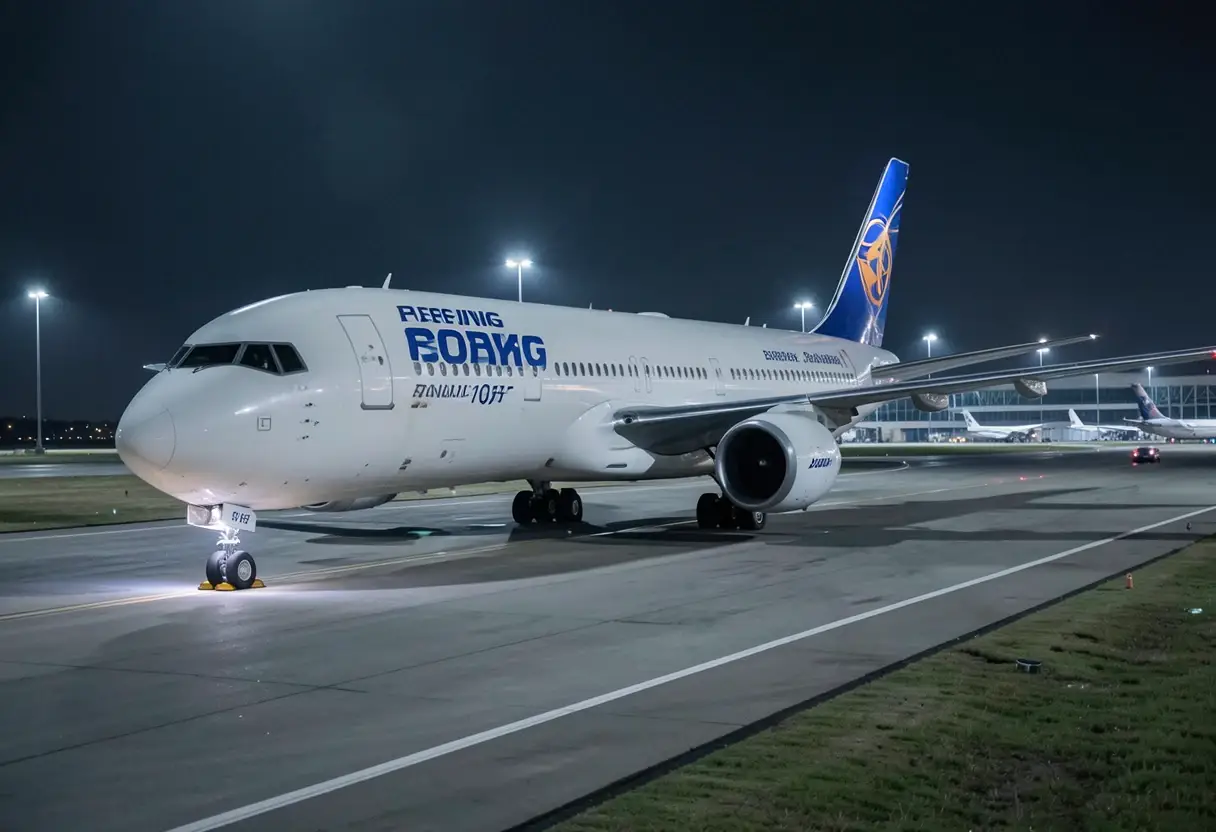
A Boeing 767-300 freighter is out of service at United Parcel Service after a Copa Airlines 737-800 clipped its nose with a left wingtip at Miami International Airport on Saturday night, removing a cargo aircraft from the network during peak shipping season.
The collision occurred at taxi speed. Copa Flight 427, carrying 166 passengers from Panama City, struck the UPS jet as the freighter crew prepared to depart for Bogotá, Colombia, according to the Federal Aviation Administration. Passenger photographs posted on social media show the UPS aircraft's nose crumpled, with a large hole in the panels.
A UPS spokesperson declined to say how long the aircraft will remain out of service or how UPS Airline operations will absorb the loss. That silence matters. Peak season is underway and volumes are surging. Every airframe counts now.
What does the accident change for UPS operations?
Probably little, in terms of packages. Integrated carriers like UPS keep spare aircraft in reserve for exactly this scenario. A maintenance grounding normally triggers a substitution from the reserve fleet.
At this time of year, however, reserves are thinner and demand is higher. The more likely response, according to industry analysis, is a short-term contract with a third-party capacity provider for dedicated airlift until the 767 returns to service or demand eases after the peak.
The result: operational headaches for airline and logistics planners, but no expected delays for packages and freight. That is the carrier-favorable scenario. It rests on the assumption the repair is straightforward, and UPS has not disclosed the damage assessment.
What did the controllers and pilots say?
Air traffic control audio points to a clearance misjudgment. The FAA said controllers had instructed the UPS crew to give way to the Copa aircraft.
The exchange, as recorded:
- Copa pilot: "427, somebody hit us."
- ATC: "427, roger. UPS, you're supposed to give way to the 73 there."
- UPS pilot: "Roger, we running checklist, runway change."
- ATC: "UPS 358, did you hit that aircraft?"
- UPS pilot: "Yeah, we went too far, and then he clipped us with the wing."
The UPS crew's own words — "we went too far" — will form part of the record. The National Transportation Safety Board has opened an investigation into the accident.
Why wingtip clearance fails at walking pace
Judging wingtip separation from the flight deck is genuinely difficult, pilots say. Helen Askew, a former 767 and 747 freighter captain with more than 12,000 flight hours and a former airline head of flight safety, now senior author for aviation at Travel Statistics Bureau, explained the geometry.
"From the seat, you can't see your own wingtips. On a 737 they're well behind you, and on a 767 or 777 they're out of sight altogether. At night you judge another jet's position by its lights, not its shape. Ground controllers sequence traffic but don't guarantee wingtip separation. Clearance comes from airport design and the crew's eyes, so a few feet of misjudgment at walking pace is enough," Askew said.
In other words, the system relies on eyeballs and taxiway design. Controllers sequence traffic. They do not guarantee separation between wingtips.
A pattern of Miami ground incidents?
The collision comes two months after an Amazon-operated 767 freighter flown by 21 Air overran a runway at Miami and struck two vehicles, killing five people. Two Miami runways remained closed after that accident.
It also lands days after the one-year anniversary of a fatal UPS MD-11 crash. That freighter suffered an engine detachment during takeoff. UPS and FedEx subsequently halted MD-11 flying to conduct a safety review.
Three incidents in roughly a year involving widebody freighters — two of them 767s — do not constitute a trend on their own. But the NTSB file on Miami ground operations is thickening.
UPS Airlines addressed the incident in a statement on X: "We are aware of an incident involving one of our aircraft on the ground in Miami. Our crew is safe, and we are committed to working with authorities to determine what happened. The safety of our employees and the public is our highest priority."
The investigation will determine fault. Until the NTSB reports, the out-of-service date for the 767 — and the cost of covering its capacity through peak season — remain UPS's to disclose, and the carrier has not.
via freightwaves.com (Source)
More from James Calloway
Show full bio
Staff writer covering people, launches and day-to-day practice in Commercial aviation industry coverage at Flightdeck Report.
675 articles
Same bay
- FDR699Copa 737 Strikes UPS 767 on Miami Taxiway; FAA Opens Investigation · November 16, 2026
- FDR309Copa 737 Wingtip Strikes UPS 767 on Miami Taxiway, Two Minor Injuries · November 15, 2026
- FDR101Copa 737 Strikes UPS 767 Freighter Nose in Miami Taxiway Collision · November 15, 2026
- FDR227MIA keeps two runways closed after 21 Air 767 overrun kills five · October 10, 2026
- FDR134United Investigates System Outage Hit to Mainline Departures · November 16, 2026