Safety & OperationsClearance sheet
Delta 1,000-flight delay, FAA ground stop precede Thanksgiving storms
More than 1,000 Delta flights were delayed by a weight-and-balance system malfunction, days after a Nov. 13 FAA network failure grounded the country. East Coast storms threaten Thanksgiving operations.
Read-back
- A Nov. 13 FAA network failure triggered a nationwide ground stop, with separate system outages at United Airlines and Delta Air Lines.
- A malfunction in Delta's automated aircraft weight-and-balance system on Sunday delayed more than 1,000 flights.
- Delta reported on Monday that its operations had stabilized.
- The National Weather Service expects heavy rain and strong winds along the East Coast from Wednesday night, reaching the New York City area on Thanksgiving Day and New England on Friday.
- Rain is forecast for the Pacific Northwest and California, with snow possible in portions of the Rockies, Great Lakes and Northeast.
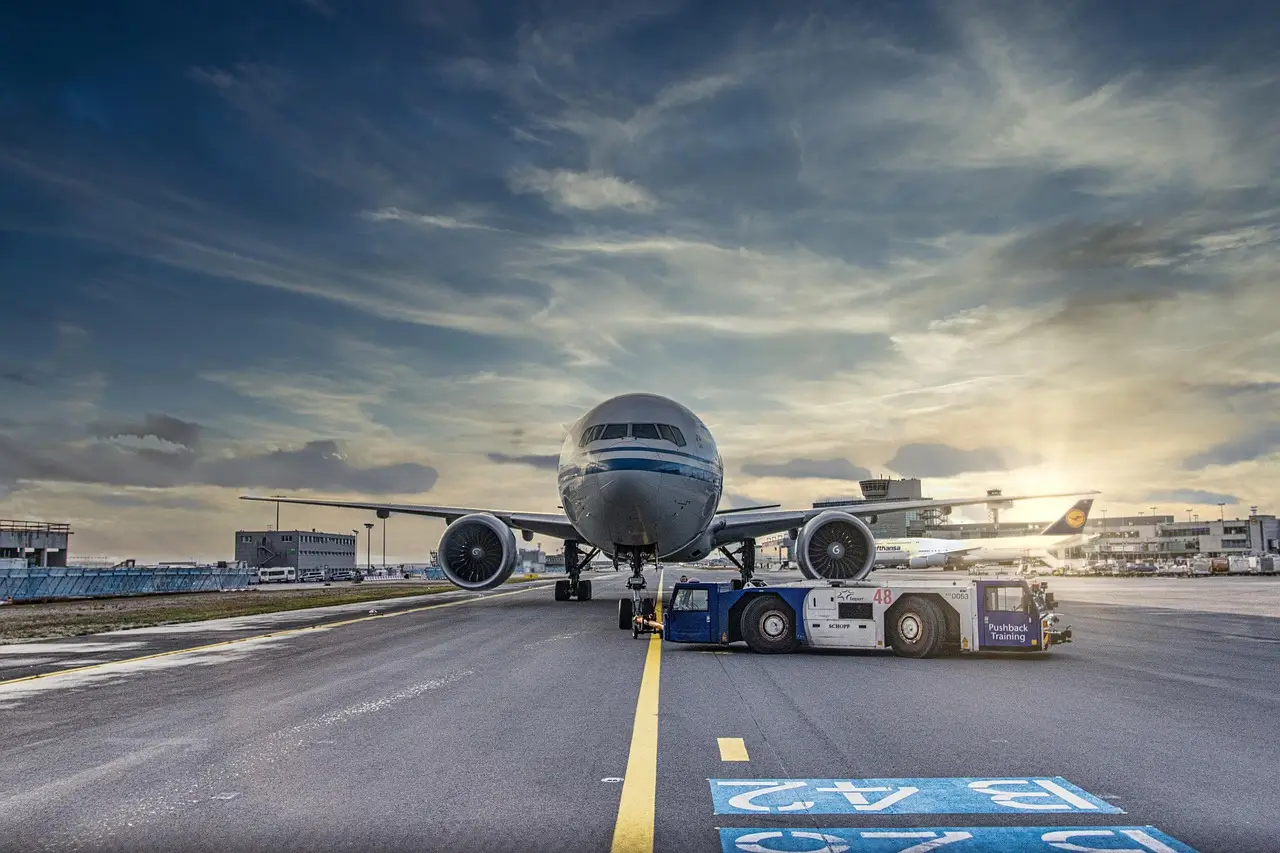
More than 1,000 Delta Air Lines flights were delayed on Sunday after a malfunction hit the carrier's automated aircraft weight-and-balance system, and Delta reported on Monday that its operations had stabilized. The delay came after a Nov. 13 Federal Aviation Administration network failure that triggered a nationwide ground stop, alongside separate system outages at United Airlines.
Aircraft weight and balance (the load sheet that fixes fuel, cargo and passenger distribution before every departure) sits in the path of every flight leaving a hub. When the automated version fails, the arithmetic has to be reproduced another way, and aircraft hold their gates while dispatchers work through the backlog. Delta's Monday stabilization suggests the queue cleared faster than the November shutdown, but Sunday's cost remains in the schedule: aircraft and passengers positioned later than planned.
The November ground stop had a different cause and a different scale. A failure inside the FAA's network — the shared infrastructure through which the agency handles flight plans and aircraft routing — produced a "nationwide ground stop," meaning departures were held across the country rather than one carrier's software being repaired in isolation. United's separate outage shows the weakness was not confined to a single system or a single company.
What does this change for Thanksgiving flyers?
Schedules are largely back. Airlines enter the holiday with flight schedules largely recovered from the earlier nationwide ground stop, so most of that disruption history has already been absorbed into published timetables. The live risk has moved to the weather, and the National Weather Service has placed the heaviest impact on Thursday itself, with some disruption potentially extending into Friday morning.
Heavy rain and strong winds are the headline. According to the National Weather Service, "heavy rain and strong winds" are expected to develop along the East Coast beginning Wednesday night, reaching the New York City area on Thanksgiving Day and continuing into New England on Friday. Rain is also forecast for the Pacific Northwest and California, while snow is possible in portions of the Rockies, Great Lakes and Northeast.
The practical answer is that passengers should expect the timetable to hold while the day itself wobbles. A schedule rebuilt after a nationwide ground stop looks robust; a schedule meeting a coast-to-coast storm is a different proposition. Forecasters expect the greatest weather-related impacts on Thanksgiving Day.
The mechanism turning weather into an airline problem is mundane and unforgiving. Storms slow aircraft turnarounds (the ground time between one flight's arrival and the next departure), complicate ramp operations (servicing on the apron, including fueling, catering and baggage handling), and force schedule revisions before the day begins. Once a hub slips, the effect leaves the hub: aircraft and crew availability elsewhere in the network deteriorate, because the rotation that was supposed to reach a spoke in the morning arrives late, and the connecting passengers who booked the outbound leg wait with it.
That is why sequencing matters more than a raw count of cancelled flights. A localized storm handled at a spare gate is a cost. The same storm at a connecting hub is a capacity problem, because missed connections become re-accommodation on later flights, later flights fill with other displaced passengers, and a schedule that looked recovered gets consumed by the backlog. Airlines and airport ground operations teams have been preparing for a busy holiday period, and the recent weeks have given them an unplanned dress rehearsal.
The forecast is the only part of this story that is not yet a fact. The Nov. 13 ground stop, the Delta weight-and-balance malfunction and the United outage happened and have been worked through. The East Coast storm has not. With some disruption potentially extending into Friday morning, the test for the industry is whether the recovered schedule absorbs the weather without rebuilding Sunday's queue of aircraft waiting at gates.
via Aviation Pros (Source)
More from Sophie Lindqvist
Show full bio
Senior reporter covering people, launches and day-to-day practice in Commercial aviation industry coverage at Flightdeck Report.
713 articles
Same bay
- American Airlines Restores Normal Schedule After FAA Ground Stop · November 16, 2026
- Over 2,300 Flights Cancelled After FAA Ground Stop as Recovery Extends Into Monday · November 16, 2026
- United Investigates System Outage Hit to Mainline Departures · November 16, 2026
- Delta Weight-and-Balance Outage Delayed 48% of Flights · November 23, 2026
- FAA lifts nationwide ground stop after telecom failure strands US flights · November 14, 2026