Clearance CLR-6947 · AIR454
AIRIRA
Airspace & RegulationClearance sheet
Iraq Reports 31% Jump in Overflight Traffic After Airspace Reopening
Iraq's Transport Ministry reports a 31% rise in overflight traffic after airspace restrictions were lifted, restoring a key revenue stream on the Europe–Gulf corridor.
Read-back
- Iraq's Transport Ministry recorded a 31% increase in overflight traffic.
- The rise follows the lifting of restrictions on Iraqi airspace.
- Iraqi airspace sits on a major Europe–Gulf–Asia corridor.
- Overflight fees are a direct revenue stream for Iraq's civil aviation authority.
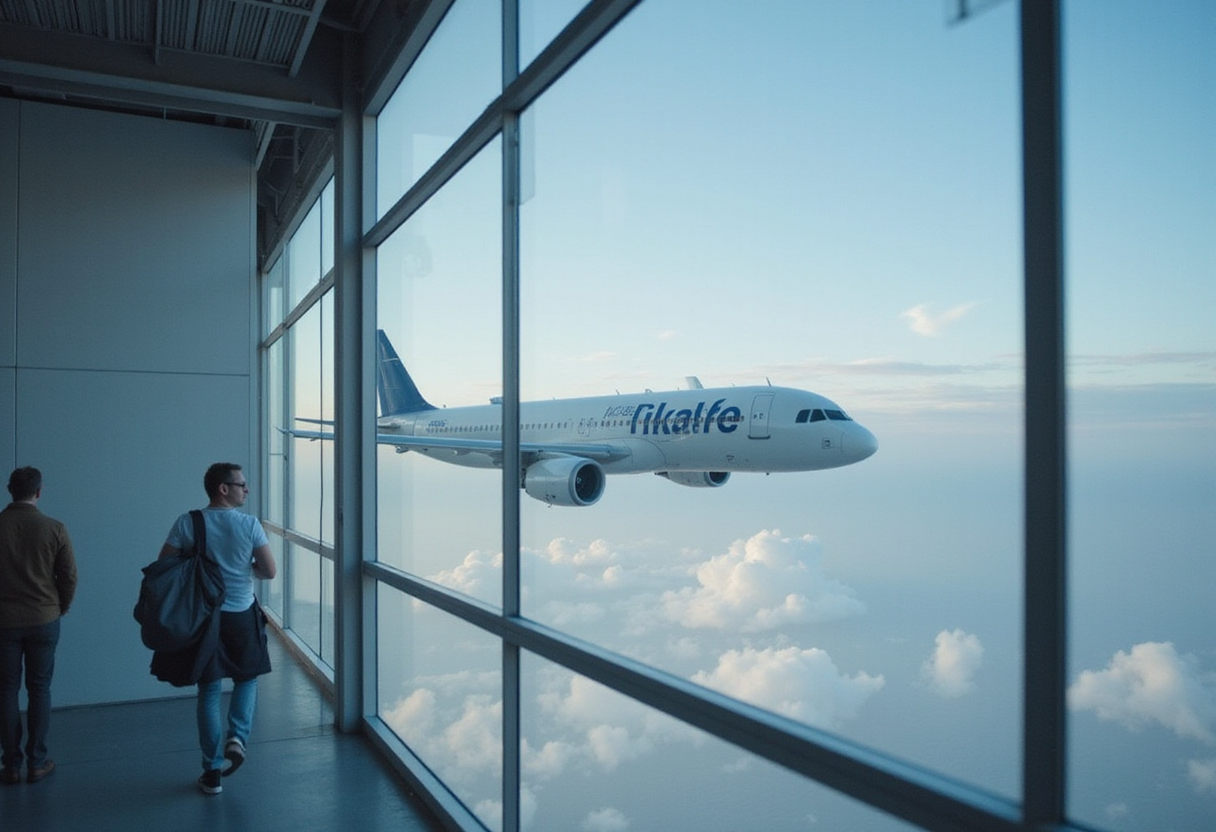
Iraq's Transport Ministry has recorded a 31% increase in overflight traffic through Iraqi airspace, according to figures released after the country lifted restrictions that had constrained transit operations.
The figure marks the first quantified measure of how quickly international carriers have returned to Iraqi routings once restrictions were removed. Overflight traffic — airlines crossing a country's airspace without landing — is a direct revenue line for the Iraqi Civil Aviation Authority, which collects route charges from each transit.
Iraqi airspace sits on one of the busiest east–west corridors linking Europe with the Gulf, South Asia and Southeast Asia. When overflights are restricted or closed, carriers burn additional fuel on detours around the country, adding flight time and cost on high-frequency routes between hubs such as London, Frankfurt and Dubai. A 31% rebound indicates operators are rapidly re-banking those diversion margins back into direct routings.
The ministry reported the increase as a post-restriction recovery, meaning the baseline reflects the depressed period when airlines avoided Iraqi airspace. The data point does not yet indicate whether traffic has returned to, or exceeded, the volumes carried before the original restrictions were imposed.
What does the increase mean for Iraqi aviation revenue?
Overflight fees are a meaningful income stream for national aviation authorities in corridor states. A 31% traffic rise translates into proportionally higher route-charge collection, assuming tariff levels held steady during the period. For Iraq, that revenue supports the civil aviation budget and the operating economics of airspace management infrastructure — radar, navigation aids and air traffic control staffing — that must remain funded to keep corridors open.
Sustained traffic recovery also strengthens the case for investment in airspace modernization, as carriers commit to Iraqi routings only when they can plan on stable, predictable corridor availability.
How does the reopening affect airline network planning?
For network planners at European and Gulf carriers, the availability of Iraqi airspace shortens Europe–Gulf and Europe–South Asia sectors by tens of minutes on some routings, with direct fuel and schedule benefits across daily widebody operations. Restrictions in recent years — driven by regional security conditions — had pushed traffic into longer paths over Saudi Arabia, Turkey or Iran, depending on the corridor.
A verified 31% recovery suggests airlines have re-filed flight plans through Iraqi airspace quickly, consistent with the behavior seen after earlier airspace reopenings in the region, where traffic redistribution to the shortest available track occurs within weeks rather than months.
What remains to be watched?
The ministry's figure covers the immediate post-restriction period. Whether the growth holds depends on the security environment remaining stable enough for regulators — including foreign aviation authorities that issue route guidance to their carriers — to keep Iraqi transit corridors in good standing.
The next milestones for the Iraqi aviation sector will be whether overflight volumes stabilize above pre-restriction levels, and whether Baghdad can convert renewed corridor traffic into broader commercial aviation growth, including the reconstruction of international hub operations at Baghdad and other Iraqi airports.
via Google News: Air traffic control and airspace (Source)
More from James Calloway
Show full bio
Staff writer covering industry trends and analytics at Flightdeck Report.
397 articles
Same bay
- FDR181EASA warns airlines to avoid parts of Saudi airspace · September 30, 2026
- FDR320Baghdad and Muscat Close to Iranian Carriers as US Sanctions Bite · September 30, 2026
- FDR413Syria's L602 corridor logs 2,188 overflights in first phase · October 9, 2026
- FDR681CSIS: Syrian Airspace Gains Traffic as Iran Conflict Forces Detours · October 11, 2026
- FDR628EASA Warns Airlines to Avoid Parts of Saudi Airspace · October 1, 2026