Clearance CLR-5678 · AIR899
AIRITW
AirportsClearance sheet
ITW GSE 7400 eGPU doubles as remote-stand charger for electric GSE
IAG's SOUTH has ordered 90 ITW GSE 7400 eGPUs for Spanish airports, using the 90 kVA battery units to power parked aircraft and charge electric GSE at remote stands.
Read-back
- SOUTH, IAG's handling company for Iberia, purchased 90 ITW GSE 7400 eGPUs for Madrid, Barcelona, Valencia and Seville.
- The 90 kVA 7400 eGPU offers optional 32A and 16A auxiliary outlets for electric GSE charging and aircraft servicing.
- Auxiliary outlet power consumption can be monitored for tracking and billing.
- The capability complements ITW GSE's EcoGate system coordinating ground power, preconditioned air and charging.
- ITW GSE's Jose Manuel De Las Heras discussed the technology in the October 2026 issue of Ground Handling International.
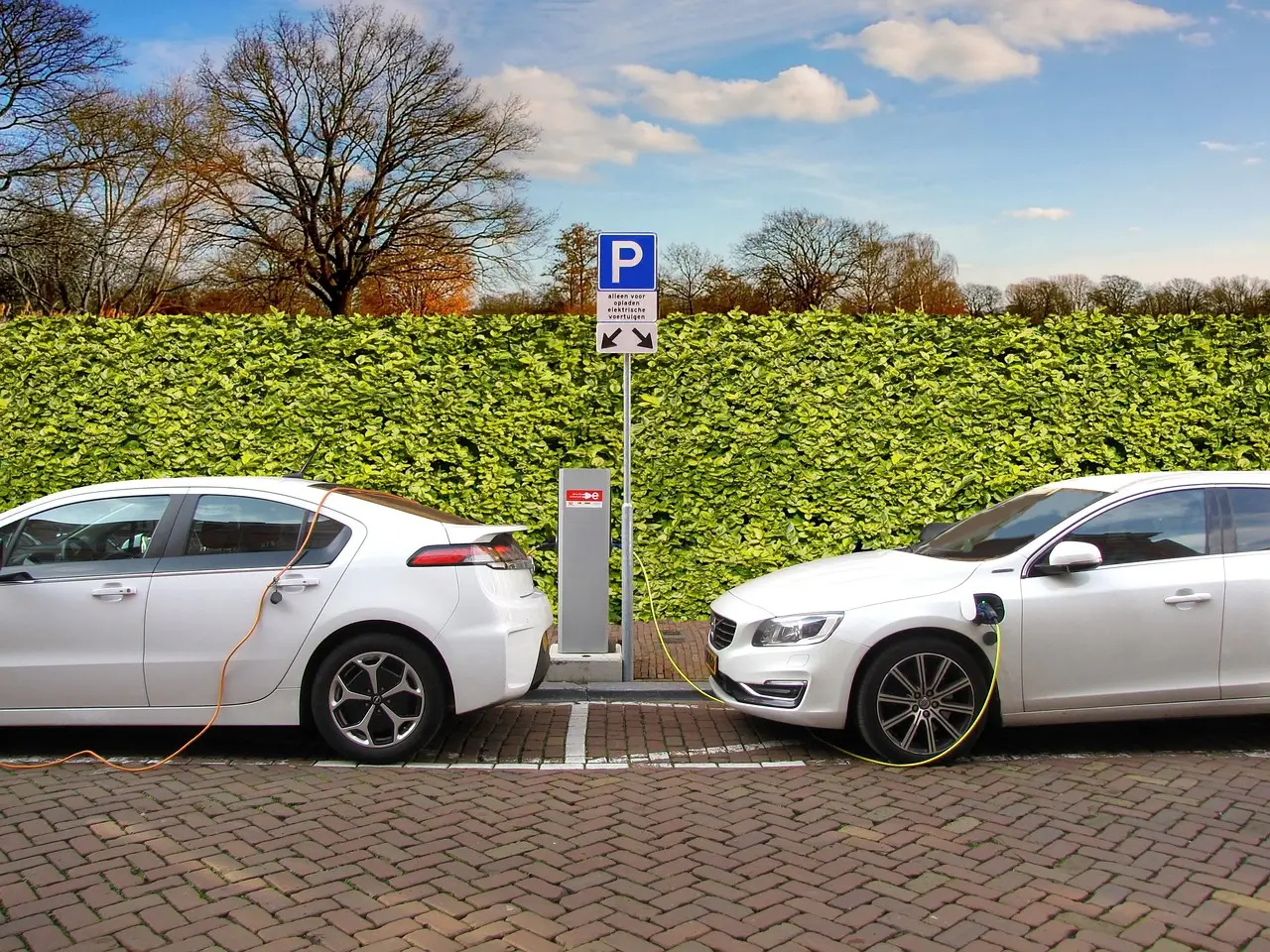
IAG Group handling company SOUTH has bought 90 ITW GSE 7400 eGPUs for deployment across Spanish airports including Madrid, Barcelona, Valencia and Seville, making it one of the first operators to adopt the unit's new dual-role capability. The 90 kVA battery-powered unit now serves both aircraft ground power and electric ground support equipment charging at remote stands.
The 7400 eGPU (external ground power unit) supplies 400 Hz power to parked aircraft — the standard frequency for onboard electrical systems during turnarounds. ITW GSE has added optional auxiliary outlets that draw on the same onboard battery capacity for tasks beyond aircraft power.
A 32A outlet charges electric GSE, including cargo loaders. A separate 16A outlet powers aircraft servicing activities such as cabin cleaning and maintenance. Power consumption through both outlets can be metered, enabling tracking and billing between handler and airline.
What does this change for ground handlers?
The core problem is infrastructure. Handlers electrifying their GSE fleets need charging points, but remote stands rarely have fixed electrical supply, and installing it across an apron (the aircraft parking and servicing area) carries significant cost.
The alternative — routing electric equipment back to centralized charging stations — adds vehicle movements across the apron and pulls equipment out of service exactly when turnarounds need it most.
By letting electric GSE recharge at the stand itself, the 7400 reduces those trips. ITW GSE positions this as a way to cut equipment movements and charging infrastructure costs simultaneously, while improving equipment availability during aircraft turnarounds.
Jose Manuel De Las Heras, senior sales and business development manager at ITW GSE, discussed the technology in the October 2026 issue of Ground Handling International. He emphasized the potential to reduce both equipment movements and the cost of building out charging infrastructure.
Part of a wider system
The auxiliary outlets do not stand alone. ITW GSE frames the capability as a complement to its broader EcoGate system, which coordinates three ground functions: aircraft ground power, preconditioned air (PCA, the ducted air supply that keeps cabins at temperature without running engines or the APU) and electric equipment charging.
The point of that coordination is electrical capacity management. A stand's power supply is finite, and EcoGate allocates it across the three demands to use available capacity more efficiently rather than oversizing infrastructure for peak loads.
For SOUTH, the attraction was the mobile power bank concept. The company, which handles Iberia flights within the IAG Group, was among the first customers to express interest in using the eGPU's battery for purposes beyond 400 Hz aircraft power, according to ITW GSE.
A market moving toward electrification
The order signals where ground handling is heading. Handlers across Europe face pressure to electrify diesel GSE fleets under airport emissions and noise rules, and the 90-unit Spanish deployment across four cities gives the dual-role 7400 its largest-scale reference to date.
The economics rest on a trade-off handlers will now test in service: whether battery capacity reserved for GSE charging and servicing power compromises the unit's primary job of supplying aircraft, and whether reduced apron traffic and avoided infrastructure spending outweigh that cost. ITW GSE has not published figures on either question, so the SOUTH deployment will serve as the working evidence.
With metered consumption built in, handlers can at least bill accurately for the power they dispense — a small but concrete step as the apron becomes an increasingly electrical environment.
via Aviation Pros (Source)
More from Sophie Lindqvist
Show full bio
Senior reporter covering people, launches and day-to-day practice in Commercial aviation industry coverage at Flightdeck Report.
599 articles
Same bay
- FDR828Flying Pig GSE and HEVO Team on Wireless Charging for Electric Ground Equipment · September 30, 2026
- FDR441Fraport Draws €8.7 Million in Federal Funds for Electric Ground Power · October 16, 2026
- FDR204Blackhawk.io Passes 10,000 Connected GSE Assets Across 60-Plus Airports · September 28, 2026
- FDR739Swissport Shifts GSE Focus From Electrification to Data-Driven Fleet Management · October 9, 2026
- FDR545Electric GSE Costs Twice as Much as Diesel, DOLL Warns · October 12, 2026